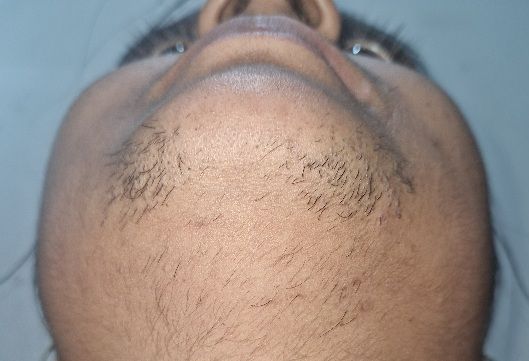
A 3-in-1 laser for hair removal refers to a device that combines three different wavelengths in a single machine to target a broader range of hair and skin types. The most common combination includes:
1. Alexandrite Laser (755 nm) – Best for Light Skin
Highly effective for fine and light-colored hair.
Works best on fair to light brown skin (Fitzpatrick I-III).
Faster treatment for large areas.
2. Diode Laser (810 nm) – Best for Medium Skin
Suitable for a wide range of skin tones (Fitzpatrick I-IV).
Penetrates deeper, making it effective for thicker, coarser hair.
Often used for both facial and body hair removal.
3. Nd:YAG Laser (1064 nm) – Best for Dark Skin
Safest option for darker skin tones (Fitzpatrick IV-VI).
Reduces the risk of burns or pigmentation issues.
Works best for coarse and deeply rooted hair.
Benefits of 3-in-1 Laser Hair Removal
✅ Works on all skin tones (light to dark). ✅ Targets different hair thicknesses (fine, medium, coarse). ✅ Reduces risk of burns or pigmentation issues for darker skin. ✅ More customized treatments based on individual needs.
Would you like recommendations for the best 3-in-1 laser machines or treatment tips?
3-इन-1 लेजर हेयर रिमूवल एक ऐसी तकनीक है जो तीन अलग-अलग वेवलेंथ को मिलाकर सभी त्वचा टोन और बालों के प्रकारों का उपचार करती है। इसमें शामिल हैं:
1. एलेक्जेंड्राइट लेजर (755 nm) – हल्की त्वचा के लिए सर्वश्रेष्ठ
यह पतले और हल्के रंग के बालों के लिए प्रभावी है।
गोरी से हल्की भूरी त्वचा (Fitzpatrick I-III) के लिए सबसे अच्छा काम करता है।
बड़े क्षेत्रों के लिए तेज़ उपचार प्रदान करता है।
2. डायोड लेजर (810 nm) – मध्यम त्वचा के लिए सर्वश्रेष्ठ
यह सभी प्रकार की त्वचा (Fitzpatrick I-IV) के लिए उपयुक्त है।
गहराई तक प्रवेश करता है, जिससे यह मोटे और घने बालों के लिए प्रभावी बनता है।
चेहरे और शरीर दोनों के बालों को हटाने के लिए इस्तेमाल किया जाता है।
3. Nd:YAG लेजर (1064 nm) – गहरी रंगत वाली त्वचा के लिए सर्वश्रेष्ठ
यह गहरे रंग की त्वचा (Fitzpatrick IV-VI) के लिए सबसे सुरक्षित विकल्प है।
जलन और पिग्मेंटेशन की समस्या को कम करता है।
मोटे और गहराई से जमे हुए बालों के लिए प्रभावी है।
3-इन-1 लेजर हेयर रिमूवल के फायदे
✅ सभी त्वचा टोन पर प्रभावी (गोरी से गहरी त्वचा तक)। ✅ अलग-अलग प्रकार के बालों (पतले, मध्यम, मोटे) को टारगेट करता है। ✅ गहरी त्वचा पर जलन और पिग्मेंटेशन का खतरा कम करता है। ✅ व्यक्ति की जरूरत के अनुसार कस्टमाइज़ किया जा सकता है।
क्या आप सर्वोत्तम 3-इन-1 लेजर मशीनों या उपचार संबंधी सुझाव चाहते हैं?
चेहरे की चोटों के लिए प्लास्टिक सर्जन को चुनना सबसे अच्छा निर्णय हो सकता है क्योंकि वे चेहरे की सौंदर्यात्मक (एस्थेटिक) और कार्यात्मक (फंक्शनल) दोनों पहलुओं में विशेषज्ञ होते हैं। यहां कुछ प्रमुख कारण हैं:
1. चेहरे की संरचना (एनाटॉमी) का गहन ज्ञान
प्लास्टिक सर्जन को मांसपेशियों, हड्डियों, नसों और मुलायम ऊतकों की गहरी समझ होती है, जिससे वे सटीक और सावधानीपूर्वक पुनर्निर्माण कर सकते हैं।
2. सौंदर्य और कार्यक्षमता की पुनर्स्थापना
सामान्य सर्जनों की तुलना में प्लास्टिक सर्जन दाग-धब्बों को कम करने और चेहरे की प्राकृतिक सुंदरता बनाए रखने पर अधिक ध्यान देते हैं, साथ ही यह सुनिश्चित करते हैं कि चेहरे के कार्य (जैसे बोलना, चबाना, पलकें झपकाना) सही ढंग से काम करें।
3. उन्नत सर्जिकल तकनीक
प्लास्टिक सर्जन माइक्रोसर्जरी, टिशू ग्राफ्टिंग और नर्व रिपेयर जैसी अत्याधुनिक प्रक्रियाओं का उपयोग करते हैं, जो जटिल चेहरे की चोटों के लिए आवश्यक हैं।
4. दाग-धब्बे (स्कार) कम करने में विशेषज्ञता
प्लास्टिक सर्जन विशेष टांका लगाने (सिचरिंग) तकनीकों और लेजर थेरेपी, स्कार रिवीजन जैसी आधुनिक प्रक्रियाओं का उपयोग करते हैं ताकि चेहरे पर स्थायी दाग न रहें।
5. आघात (ट्रॉमा) और पुनर्निर्माण (रिकंस्ट्रक्शन) का अनुभव
प्लास्टिक सर्जन नियमित रूप से गंभीर चेहरे की चोटों जैसे कि फ्रैक्चर, गहरे कट, जलन और ऊतक क्षति का इलाज करते हैं।
6. समग्र देखभाल (होलिस्टिक ट्रीटमेंट)
प्लास्टिक सर्जन ईएनटी विशेषज्ञों, मैक्सिलोफेशियल सर्जनों और त्वचा विशेषज्ञों के साथ मिलकर कार्य करते हैं ताकि समग्र और प्रभावी उपचार दिया जा सके।
7. मनोवैज्ञानिक और भावनात्मक लाभ
क्योंकि चेहरे की चोटें आत्मसम्मान को प्रभावित कर सकती हैं, प्लास्टिक सर्जन प्राकृतिक दिखने वाले परिणाम प्रदान करने में माहिर होते हैं, जिससे मरीजों का आत्मविश्वास वापस आता है।
यदि किसी को चेहरे की चोट लगी है, तो बोर्ड-प्रमाणित (बोर्ड-सर्टिफाइड) प्लास्टिक सर्जन से सलाह लेना सबसे अच्छा होगा ताकि न्यूनतम दीर्घकालिक प्रभावों के साथ सफल पुनर्प्राप्ति सुनिश्चित की जा सके।
Choosing a plastic surgeon for facial injuries is often the best decision because of their specialized training and expertise in both functional and aesthetic aspects of facial reconstruction. Here’s why:
1. Expertise in Facial Anatomy
Plastic surgeons have in-depth knowledge of the muscles, bones, nerves, and soft tissues of the face, ensuring precise and careful reconstruction.
2. Aesthetic and Functional Restoration
Unlike general surgeons, plastic surgeons focus on minimizing scars and restoring natural appearance while also ensuring the face functions properly (e.g., speech, chewing, blinking).
3. Advanced Surgical Techniques
They use cutting-edge procedures like microsurgery, tissue grafting, and nerve repair, which are crucial for complex facial injuries.
4. Specialization in Scar Minimization
Plastic surgeons employ specialized suturing techniques and treatments (e.g., laser therapy, scar revision) to reduce long-term cosmetic damage.
5. Experience in Trauma and Reconstruction
They regularly handle traumatic facial injuries, including fractures, deep cuts, burns, and soft tissue damage.
6. Comprehensive Care Approach
Plastic surgeons work closely with ENT specialists, maxillofacial surgeons, and dermatologists to provide holistic treatment.
7. Better Psychological and Emotional Outcomes
Since facial injuries can significantly impact self-esteem, plastic surgeons prioritize natural-looking results, helping patients regain confidence.
If you or someone you know has suffered a facial injury, consulting a board-certified plastic surgeon can provide the best chance for a successful recovery with minimal long-term effects.
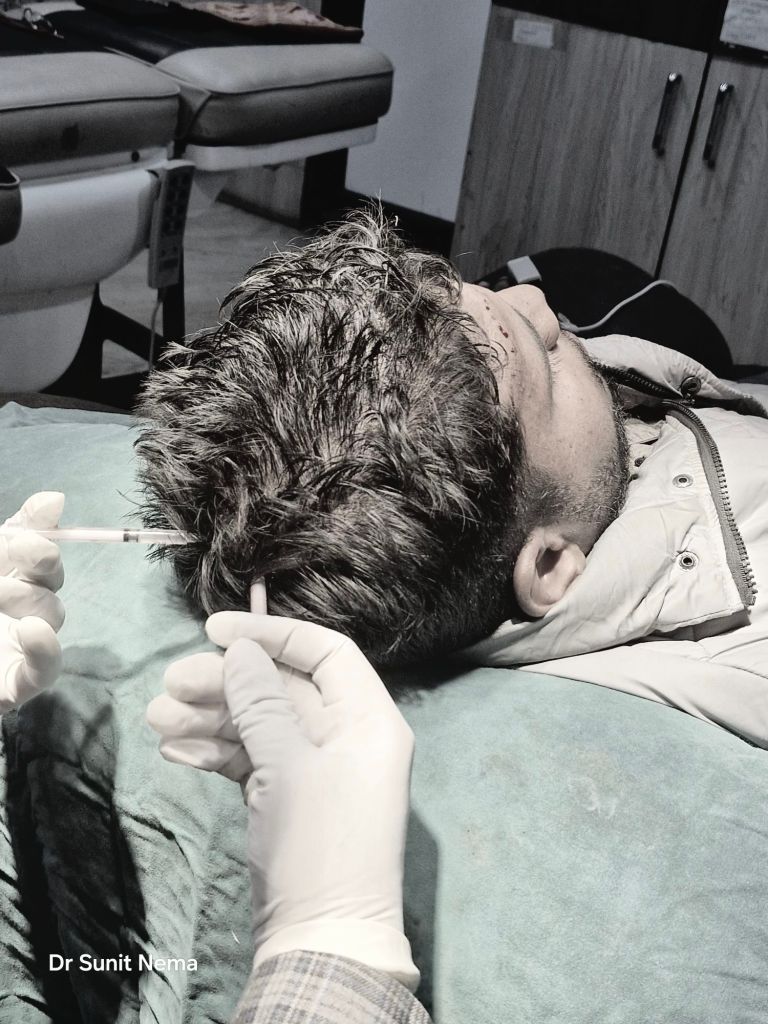
GFC (Growth Factor Concentrate) and PRP (Platelet-Rich Plasma) are both regenerative therapies used for conditions like hair loss, skin rejuvenation, and joint healing. However, GFC is often considered superior to PRP for several reasons:
1. Higher Concentration of Growth Factors
GFC is a purified and concentrated form of growth factors extracted from platelets, ensuring a more potent regenerative effect.
PRP contains platelets along with other blood components like white and red blood cells, which may dilute its effectiveness.
2. Standardized and Consistent Preparation
GFC is prepared using a specialized, standardized process that isolates only the beneficial growth factors.
PRP preparation varies depending on the technique, centrifuge speed, and practitioner, leading to inconsistent results.
3. No Blood Cells or Inflammatory Components
GFC is free from red and white blood cells, which can cause inflammation and discomfort.
PRP contains these cells, which may trigger an inflammatory response and potentially lead to side effects like swelling and pain.
4. More Potent and Longer-Lasting Effects
Due to its purity and high concentration of growth factors, GFC provides stronger stimulation for tissue repair and regeneration.
PRP may require more frequent sessions to achieve comparable results.
5. Less Pain and Discomfort
Because GFC lacks inflammatory blood components, it causes minimal pain and swelling post-treatment.
PRP injections can sometimes cause redness, swelling, and discomfort due to the presence of blood cells.
6. Faster Recovery and Better Outcomes
The purified nature of GFC allows for quicker healing and more effective results in treatments like hair regrowth and skin rejuvenation.
PRP, while effective, may have a slightly longer recovery period due to its mixed composition.
Conclusion
Both GFC and PRP have their advantages, but GFC is often preferred due to its higher concentration of growth factors, purity, consistency, and reduced risk of inflammation. However, the choice between them depends on the specific condition being treated, the expertise of the provider, and individual patient responses.
GFC (ग्रोथ फैक्टर कंसंट्रेट) और PRP (प्लेटलेट-रिच प्लाज्मा) दोनों ही पुनर्जनन (रीजनरेटिव) थेरेपी हैं, जो बालों के झड़ने, त्वचा के पुनरुद्धार और जोड़ों की चिकित्सा में उपयोग की जाती हैं। हालांकि, GFC को PRP की तुलना में अधिक प्रभावी माना जाता है। इसके कुछ मुख्य कारण हैं:
1. ग्रोथ फैक्टर्स की उच्च सांद्रता (High Concentration of Growth Factors)
GFC प्लेटलेट्स से शुद्ध और केंद्रित ग्रोथ फैक्टर्स को अलग करता है, जिससे इसका पुनर्जनन प्रभाव अधिक शक्तिशाली होता है।
PRP में प्लेटलेट्स के साथ अन्य रक्त घटक (लाल और सफेद रक्त कोशिकाएं) भी होते हैं, जो इसके प्रभाव को पतला कर सकते हैं।
2. मानकीकृत और स्थिर तैयारी (Standardized and Consistent Preparation)
GFC को एक विशेष और मानकीकृत प्रक्रिया से तैयार किया जाता है, जो केवल लाभकारी ग्रोथ फैक्टर्स को अलग करता है।
PRP की तैयारी विधि, सेंट्रीफ्यूज गति और चिकित्सक के अनुसार भिन्न हो सकती है, जिससे परिणाम असंगत हो सकते हैं।
3. रक्त कोशिकाओं और सूजन-कारक तत्वों की अनुपस्थिति (No Blood Cells or Inflammatory Components)
GFC में लाल और सफेद रक्त कोशिकाएं नहीं होतीं, जिससे सूजन और असुविधा का खतरा कम हो जाता है।
PRP में ये कोशिकाएं मौजूद होती हैं, जिससे सूजन, दर्द और अन्य प्रतिक्रियाएं हो सकती हैं।
4. अधिक प्रभावी और लंबे समय तक असर (More Potent and Longer-Lasting Effects)
GFC की उच्च शुद्धता और अधिक ग्रोथ फैक्टर्स इसे ऊतक पुनर्जनन (टिशू रीपेयर) के लिए अधिक प्रभावी बनाते हैं।
PRP को समान प्रभाव प्राप्त करने के लिए अधिक बार दोहराने की आवश्यकता हो सकती है।
5. कम दर्द और असुविधा (Less Pain and Discomfort)
GFC में सूजन पैदा करने वाले रक्त घटक नहीं होते, जिससे उपचार के बाद दर्द और सूजन कम होती है।
PRP में रक्त कोशिकाएं होने के कारण इंजेक्शन के बाद लाली, सूजन और असुविधा हो सकती है।
6. तेजी से रिकवरी और बेहतर परिणाम (Faster Recovery and Better Outcomes)
GFC की शुद्धता के कारण उपचार के बाद तेजी से सुधार होता है और बालों के पुनर्विकास व त्वचा के नवीनीकरण में बेहतर परिणाम मिलते हैं।
PRP के मिश्रित घटकों के कारण रिकवरी में थोड़ा अधिक समय लग सकता है।
निष्कर्ष (Conclusion)
GFC और PRP दोनों प्रभावी उपचार हैं, लेकिन GFC को इसकी उच्च ग्रोथ फैक्टर सांद्रता, शुद्धता, स्थिरता और कम सूजन के कारण अधिक प्रभावी माना जाता है। यह बालों के विकास, त्वचा सुधार और जोड़ों के उपचार में बेहतर परिणाम प्रदान करता है। हालांकि, किसे चुनना है यह व्यक्ति की आवश्यकता और चिकित्सक की विशेषज्ञता पर निर्भर करता है।
एंडोवेनस लेज़र ट्रीटमेंट (EVLT) के बाद वैरिकोज़ वेन्स तुरंत गायब नहीं होती हैं, बल्कि धीरे-धीरे सिकुड़कर शरीर द्वारा अवशोषित हो जाती हैं। आप इस प्रकार की प्रक्रिया की उम्मीद कर सकते हैं:
पहले कुछ हफ्ते: इलाज की गई नस सख्त या संवेदनशील महसूस हो सकती है, और कुछ सूजन या चोट के निशान हो सकते हैं।
4 से 6 हफ्ते: सूजन और चोट के निशान काफी हद तक कम हो जाएंगे, और नस हल्की पड़ने लगेगी।
3 से 6 महीने: ज्यादातर इलाज की गई नसें फीकी पड़ जाएंगी या गायब हो जाएंगी।
12 महीने तक: कुछ मामलों में, नसों के पूरी तरह अवशोषित होने में एक साल तक लग सकता है।
डॉक्टर की सलाह के अनुसार कंप्रेशन स्टॉकिंग्स पहनना और सक्रिय रहना उपचार को तेज कर सकता है। यदि 6 महीने बाद भी नसें दिखाई दें, तो डॉक्टर से संपर्क करें, क्योंकि अतिरिक्त उपचार (जैसे स्क्लेरोथेरेपी) की आवश्यकता हो सकती है।
क्या आप रिकवरी के लिए कुछ सुझाव चाहते हैं?
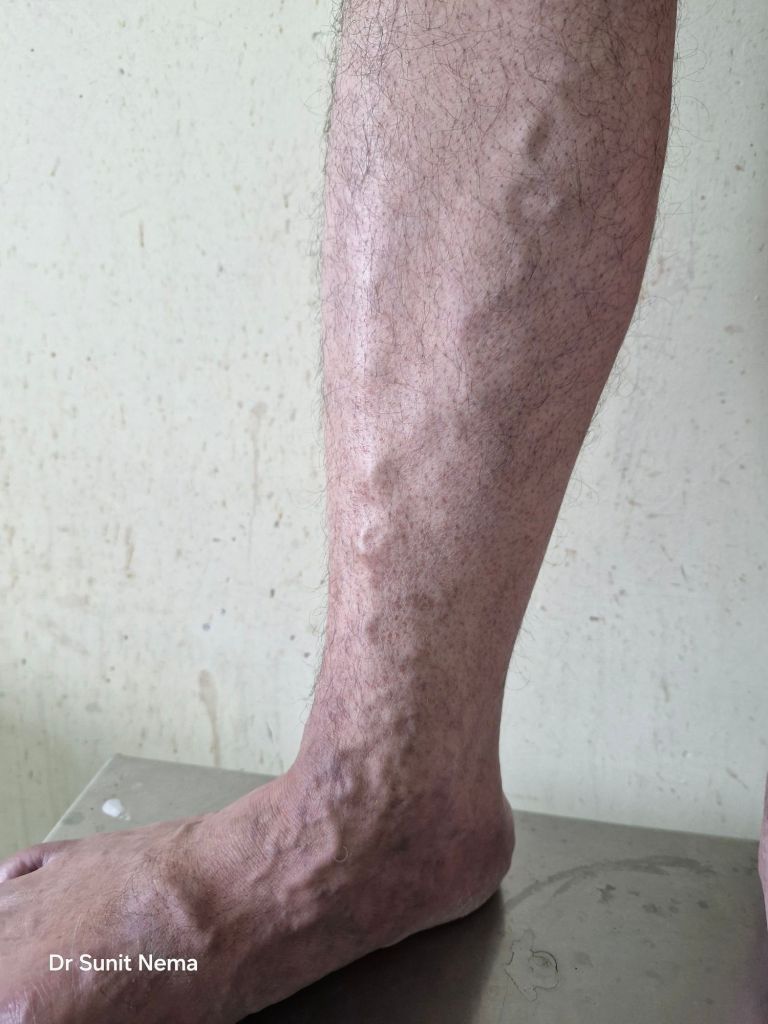
After endovenous laser treatment (EVLT) for varicose veins, the veins do not disappear immediately. Instead, they gradually shrink and are reabsorbed by the body over time. Here’s what you can expect:
First Few Weeks: The treated vein may feel firm or tender, and some bruising or swelling may be present.
4 to 6 Weeks: Bruising and swelling should significantly improve, and the vein will start fading.
3 to 6 Months: Most of the treated veins will have faded or disappeared.
Up to 12 Months: In some cases, it can take up to a year for the veins to be fully reabsorbed by the body.
Wearing compression stockings as recommended by your doctor and staying active can speed up healing. If you still see visible veins after six months, consult your doctor, as additional treatments (such as sclerotherapy) may be needed.
सोलर लेंटिजिन्स त्वचा पर दिखाई देने वाले गहरे भूरे या काले धब्बे हैं, जो लंबे समय तक सूर्य के संपर्क में रहने के कारण होते हैं। इन्हें सन स्पॉट्स, एज स्पॉट्स, या लिवर स्पॉट्स भी कहा जाता है (हालाँकि इनका लिवर से कोई संबंध नहीं है)। ये अधिकतर बुजुर्गों में देखे जाते हैं, लेकिन अत्यधिक UV किरणों के संपर्क में आने से किसी भी उम्र में हो सकते हैं।
कारण
पराबैंगनी (UV) किरणें – UV किरणों के कारण मेलेनिन का उत्पादन बढ़ता है, जिससे धब्बे बनते हैं।
बुढ़ापा – 40 वर्ष की उम्र के बाद यह अधिक आम है, क्योंकि त्वचा को वर्षों तक सूर्य की क्षति झेलनी पड़ती है।
फेयर स्किन (हल्की त्वचा) – हल्के रंग की त्वचा वाले लोगों को इसका अधिक खतरा होता है।
अनुवांशिक कारण – कुछ लोगों में आनुवंशिक रूप से यह समस्या अधिक देखने को मिलती है।
कहाँ दिखाई देते हैं?
चेहरा
हाथ
कंधे
बाहें
ऊपरी पीठ
क्या सोलर लेंटिजिन्स हानिकारक हैं?
सोलर लेंटिजिन्स आमतौर पर हानिरहित होते हैं और यह कैंसर नहीं बनते, लेकिन कभी-कभी यह त्वचा कैंसर की तरह दिख सकते हैं। यदि कोई धब्बा आकार, रंग या आकार में तेजी से बदलाव दिखाए, तो तुरंत त्वचा विशेषज्ञ (डर्मेटोलॉजिस्ट) से सलाह लें।
उपचार विकल्प
टॉपिकल क्रीम – हाइड्रोक्विनोन, रेटिनॉइड्स और विटामिन C वाली क्रीम धब्बों को हल्का कर सकती हैं।
लेजर थेरेपी – अनचाहे रंगद्रव्य (पिग्मेंटेशन) को दूर करने में मदद करता है।
केमिकल पील – त्वचा की ऊपरी परत हटाकर धब्बों को कम करता है।
क्रायोथेरेपी – ठंड से पिग्मेंटेड कोशिकाओं को नष्ट करता है।
सूर्य से बचाव – सनस्क्रीन (SPF 30 या अधिक) का नियमित उपयोग नए धब्बों को बनने से रोकता है।
यदि आप अपने क्षेत्र में उपलब्ध इलाज या विशेषज्ञ डॉक्टरों की जानकारी चाहते हैं, तो 0761 4921303 पर सम्पर्क करें
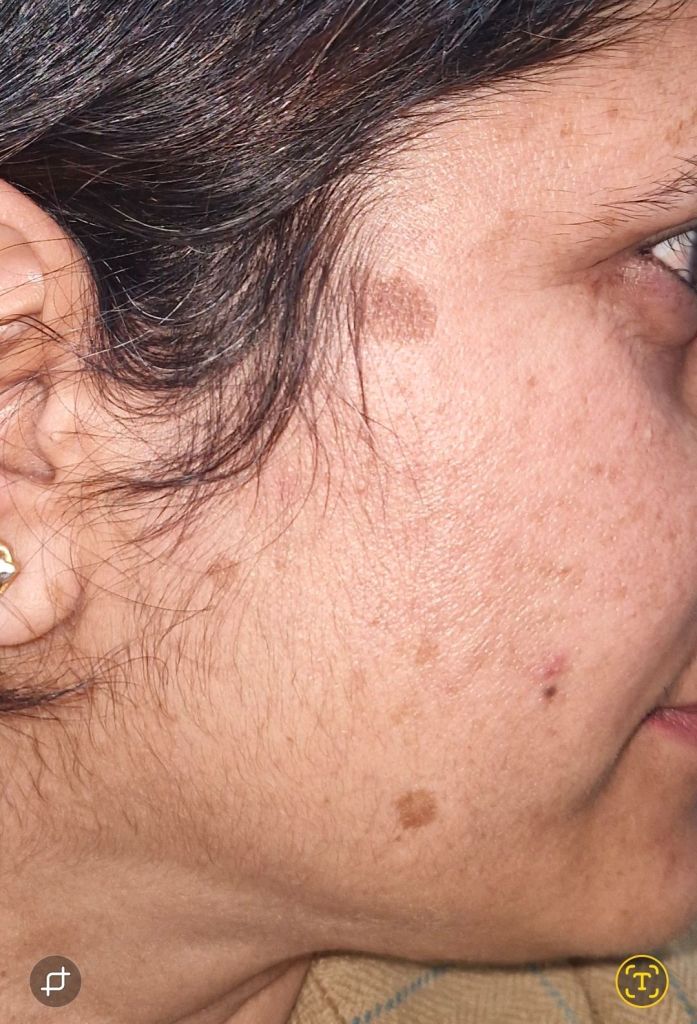
Solar Lentigines (Sun Spots / Liver Spots)
Solar lentigines are benign, pigmented skin spots caused by prolonged sun exposure. They are also known as sun spots, age spots, or liver spots (though they are unrelated to the liver). These spots are common in older adults but can appear at any age with excessive UV exposure.
Causes
Ultraviolet (UV) Radiation – The primary cause, as UV exposure triggers increased melanin production.
Aging – More common in people over 40 due to cumulative sun damage.
Fair Skin – Individuals with lighter skin tones are more susceptible.
Genetics – Some people are genetically predisposed to developing these spots.
Common Locations
Face
Hands
Shoulders
Arms
Upper back
Are Solar Lentigines Harmful?
Solar lentigines are harmless and non-cancerous, but they can be mistaken for skin cancer. Any sudden change in size, shape, or color should be evaluated by a dermatologist.
Treatment Options
Topical Creams – Hydroquinone, retinoids, and vitamin C can lighten spots.
Laser Therapy – Targets pigmentation for clearer skin.
Chemical Peels – Removes the outer skin layer, reducing pigmentation.
Cryotherapy – Freezes and destroys pigmented cells.
Sun Protection – Prevents new spots from forming
For more information and appointment booking contact 0761-492 1303
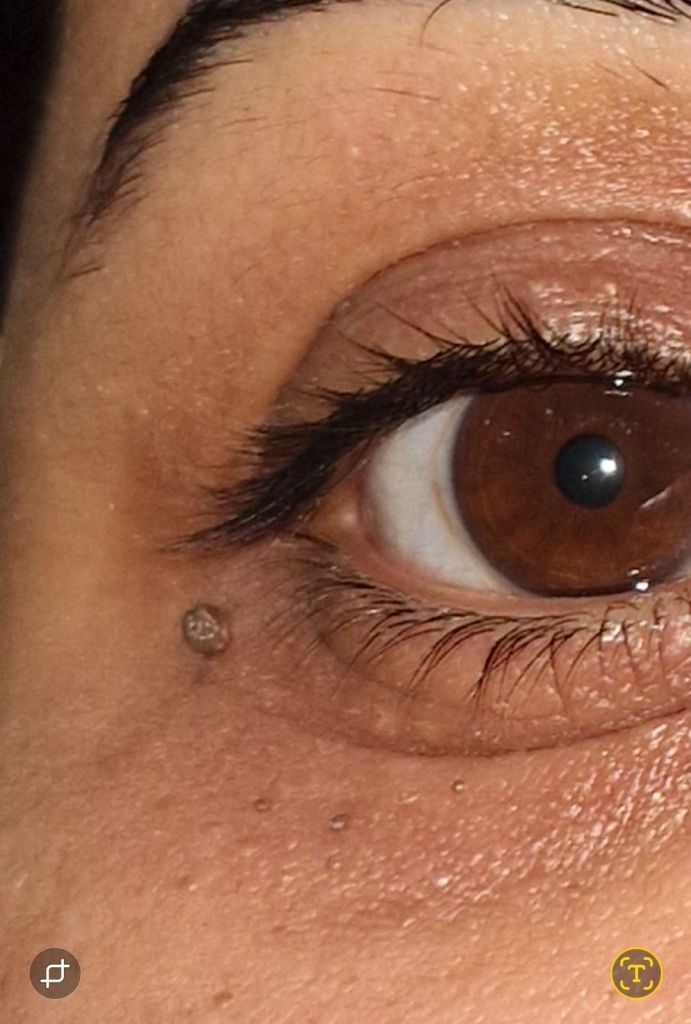
Periocular papillomas are benign epithelial growths that occur around the eyes. They are commonly caused by the following factors:
Human Papillomavirus (HPV) – The most common cause, particularly low-risk strains like HPV 6 and 11, which induce benign growths on the eyelid or periocular region.
Aging and Sun Exposure – In older adults, papillomas can develop as part of aging-related changes in the skin, often influenced by long-term ultraviolet (UV) exposure.
Chronic Irritation or Inflammation – Repeated rubbing, exposure to irritants, or underlying inflammatory skin conditions can contribute to papilloma formation.
Genetic Factors – Some individuals may have a genetic predisposition to developing papillomas more frequently than others.
Weakened Immune System – People with immunosuppression (e.g., those with HIV, organ transplant recipients, or undergoing chemotherapy) are more susceptible to viral-induced papillomas.
Most periocular papillomas are harmless but can be removed if they cause discomfort, interfere with vision, or for cosmetic reasons. If you notice rapid growth, bleeding, or changes in color, it is best to consult an ophthalmologist or dermatologist to rule out malignancy.
पेरिओकुलर पैपिलोमा आंखों के आसपास होने वाली सौम्य (गैर-हानिकारक) एपिथेलियल वृद्धि हैं। इनके सामान्य कारण निम्नलिखित हैं:
ह्यूमन पैपिलोमावायरस (HPV) – यह सबसे आम कारण है, विशेष रूप से लो-रिस्क प्रकार जैसे HPV 6 और 11, जो पलक या आंखों के आसपास सौम्य वृद्धि उत्पन्न कर सकते हैं।
बुढ़ापा और सूर्य का संपर्क – वृद्ध व्यक्तियों में, त्वचा में उम्र से संबंधित बदलावों के कारण पैपिलोमा विकसित हो सकते हैं, जो अक्सर लंबे समय तक पराबैंगनी (UV) किरणों के संपर्क में आने से प्रभावित होते हैं।
क्रोनिक जलन या सूजन – बार-बार आंखों को रगड़ने, प्रदूषकों के संपर्क में आने या किसी अंतर्निहित सूजन संबंधी त्वचा रोग के कारण भी पैपिलोमा हो सकता है।
अनुवांशिक कारक – कुछ व्यक्तियों में आनुवंशिक प्रवृत्ति के कारण पैपिलोमा विकसित होने की संभावना अधिक होती है।
कमजोर प्रतिरक्षा प्रणाली – HIV, अंग प्रत्यारोपण, या कीमोथेरेपी जैसी स्थितियों के कारण प्रतिरक्षा प्रणाली कमजोर होने पर, वायरस से प्रेरित पैपिलोमा होने की संभावना बढ़ जाती है।
अधिकांश पेरिओकुलर पैपिलोमा हानिरहित होते हैं, लेकिन यदि वे असुविधा पैदा करें, दृष्टि में बाधा डालें, या सौंदर्य संबंधी चिंताओं के कारण हटाना आवश्यक हो, तो इन्हें हटाया जा सकता है। यदि पैपिलोमा तेजी से बढ़ता है, खून निकलता है, या रंग बदलता है, तो किसी नेत्र रोग विशेषज्ञ (ऑप्थलमोलॉजिस्ट) या त्वचा विशेषज्ञ (डर्मेटोलॉजिस्ट) से परामर्श करना महत्वपूर्ण है, ताकि किसी गंभीर बीमारी की संभावना को दूर किया जा सके।
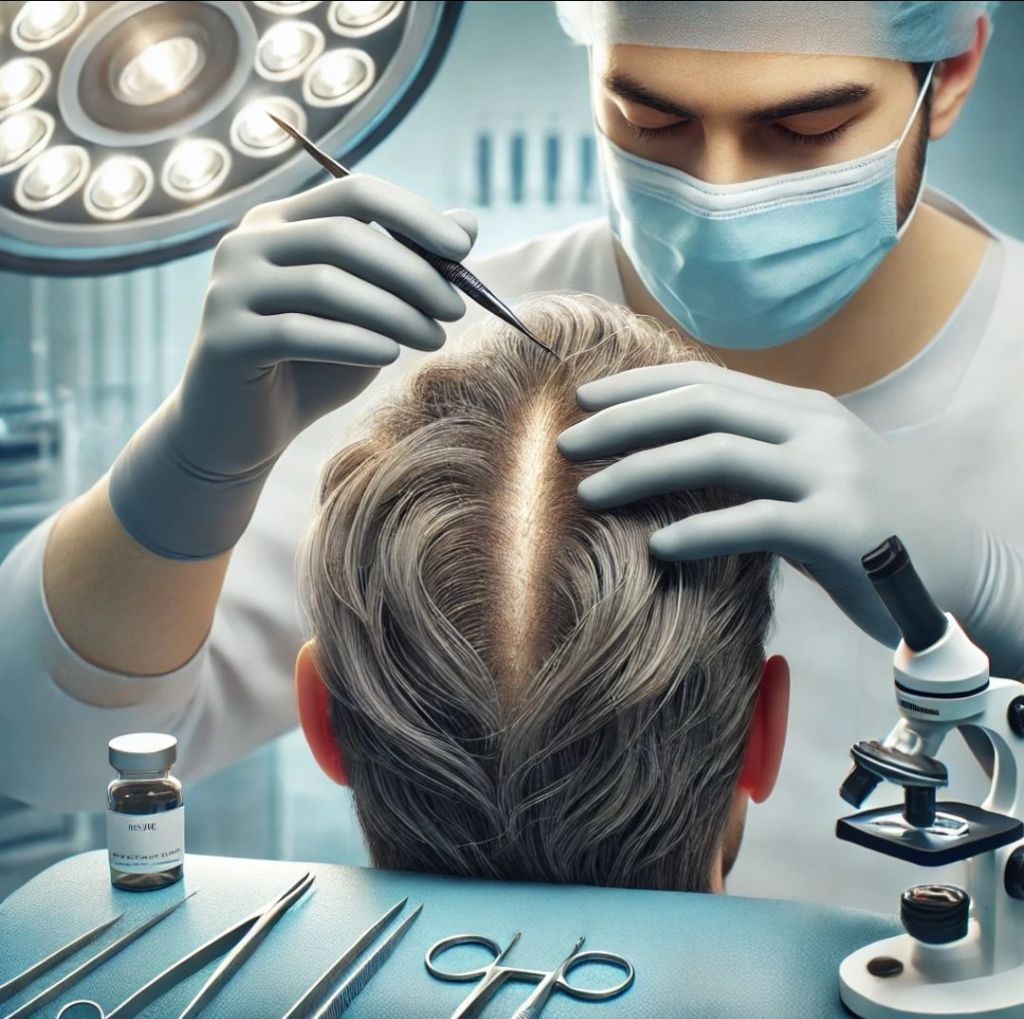
हाँ, सफेद बालों में भी बाल ट्रांसप्लांट किया जा सकता है। बालों का रंग (काला, सफेद, या ग्रे) ट्रांसप्लांट प्रक्रिया को प्रभावित नहीं करता। ट्रांसप्लांट के लिए जरूरी है कि डोनर एरिया (जहाँ से बाल लिए जाते हैं) में स्वस्थ और सक्रिय बाल मौजूद हों।
महत्वपूर्ण बातें:
बालों का रंग: ट्रांसप्लांट के बाद बाल उसी रंग में उगते हैं, जैसे वे डोनर एरिया में थे। अगर वे सफेद थे, तो वे सफेद ही रहेंगे।
प्रक्रिया: बालों का रंग ग्राफ्ट की गुणवत्ता और प्रक्रिया पर कोई असर नहीं डालता। बालों की जड़ (फॉलिकल) ही ट्रांसप्लांट की जाती है।
रंगाई का विकल्प: अगर आप सफेद बालों का रंग बदलना चाहते हैं, तो ट्रांसप्लांट के बाद उन्हें डाई या कलर किया जा सकता है।
यदि आप बालों के ट्रांसप्लांट में रुचि रखते हैं, तो किसी योग्य डर्मेटोलॉजिस्ट या हेयर ट्रांसप्लांट विशेषज्ञ से परामर्श करें।
Yes, hair transplant can also be done with grey or white hair. The color of the hair (black, white, or grey) does not affect the transplant process. The essential requirement is that the donor area (from where hair is taken) should have healthy and active hair.
Key Points:
Hair Color: After the transplant, the hair grows in the same color as it was in the donor area. If it was white or grey, it will remain so.
Process: The color of the hair does not impact the quality of the graft or the procedure. Only the hair follicle is transplanted.
Coloring Option: If you want to change the color of grey or white hair, it can be dyed or colored after the transplant.
If you are interested in hair transplantation, consult a qualified dermatologist or hair transplant specialist.
फ्लेक्सर टेंडन चोट उंगलियों में तब होती है जब उंगलियों को मोड़ने वाले टेंडन फट जाते हैं, कट जाते हैं या क्षतिग्रस्त हो जाते हैं। ये टेंडन आपके अग्रभाग की मांसपेशियों से होकर आपकी कलाई और हथेली से गुजरते हैं और उंगलियों की हड्डियों से जुड़ते हैं। ये टेंडन उंगलियों को मोड़ने और पकड़ने में मदद करते हैं।
कारण
लैसरेशन (कटने): गहरे कट से टेंडन कट सकता है।
क्रश चोटें: भारी मशीनरी या दरवाजों के कारण होने वाली क्षति।
खेल संबंधी चोटें: जैसे चढ़ाई करते समय जोर से पकड़ने या बल लगाने से टेंडन फट सकता है।
रूमेटॉइड आर्थराइटिस: टेंडन को कमजोर कर सकता है और अचानक फटने का कारण बन सकता है।
लक्षण
उंगलियों के जोड़ों को मोड़ने में असमर्थता।
हथेली या उंगली में दर्द, विशेष रूप से हिलाने पर।
सूजन, कोमलता या खरोंच के निशान।
चोट के दौरान “पॉपिंग” या झटका महसूस होना।
खुले घाव (यदि कटने से हुआ हो)।
निदान
चिकित्सक निम्नलिखित तरीकों से चोट का आकलन करेंगे:
शारीरिक परीक्षण: उंगली की सक्रिय और निष्क्रिय गति की जांच।
इमेजिंग: फ्रैक्चर को रोकने के लिए एक्स-रे या टिश्यू की जांच के लिए अल्ट्रासाउंड/एमआरआई।
विशेष परीक्षण: एफडीपी (फ्लेक्सर डिगिटोरम प्रौफुंडस) टेस्ट।
उपचार
चोट की गंभीरता और प्रकार के अनुसार उपचार किया जाता है:
गैर-सर्जिकल:
हल्की चोटों के लिए आराम, स्प्लिंटिंग और फिजिकल थेरेपी।
सर्जिकल:
टेंडन मरम्मत सर्जरी: पूरी तरह से फटे या कटे हुए टेंडन के लिए।
कार्यक्षमता बहाल करने और जटिलताओं (जैसे, स्कारिंग या टेंडन के सिकुड़ने) को रोकने के लिए जल्द से जल्द किया जाता है।
सर्जरी के बाद, टेंडन को सुरक्षित रखने के लिए एक कस्टम स्प्लिंट का उपयोग किया जाता है।
पुनर्वास
स्प्लिंटिंग: टेंडन को सुरक्षित स्थिति में रखने के लिए।
फिजिकल थेरेपी: ताकत और गति को पुनः प्राप्त करने के लिए।
पूरी तरह से ठीक होने में 6-12 सप्ताह लग सकते हैं, और थेरेपी 6 महीने तक जारी रह सकती है।
जटिलताएं
जकड़न या गति की कमी।
दाग ऊतक का बनना।
टेंडन का फिर से फटना।
यदि आपको फ्लेक्सर टेंडन चोट का संदेह है, तो तुरंत चिकित्सीय सहायता लें, क्योंकि समय पर उपचार से पूरी तरह ठीक होने की संभावना बढ़ जाती है।
A flexor tendon injury in the fingers occurs when the tendons that allow you to bend your fingers are torn, cut, or otherwise damaged. These tendons run from the muscles in your forearm through your wrist and palm, attaching to the bones in your fingers. They allow your fingers to flex and grip objects.
Causes
Lacerations: Deep cuts, often from sharp objects, can sever the tendon.
Crush injuries: Accidents involving heavy machinery or doors can damage the tendon.
Sports injuries: Forceful grabbing or twisting motions, such as in rock climbing, can tear the tendon.
Rheumatoid arthritis: Can weaken the tendons and lead to spontaneous rupture.
Symptoms
Inability to bend one or more joints of the finger.
Pain along the palm or finger, especially when trying to move.
Tenderness, swelling, or bruising in the affected area.
“Popping” or snapping sensation in the finger during injury.
Open wound (if caused by a laceration).
Diagnosis
A healthcare professional will assess the injury by:
Physical examination: Checking for active and passive finger movement.
Imaging: X-rays to rule out fractures, or ultrasound/MRI for soft tissue evaluation.
Special tests: Like the FDP (Flexor Digitorum Profundus) test to evaluate tendon function.
Treatment
Treatment depends on the severity and type of injury:
Non-Surgical
Minor injuries (e.g., inflammation) may be managed with rest, splinting, and physical therapy.
Surgical
Tendon repair surgery: For complete tears or lacerations.
Performed as soon as possible to restore function and prevent complications (e.g., scarring or retraction).
After surgery, a custom splint is typically used to protect the repair.
Rehabilitation
Splinting: Keeps the finger in a safe position to protect the tendon during healing.
Physical therapy: Gradual exercises to regain strength and motion.
Healing time varies but often requires 6-12 weeks of recovery, with ongoing therapy for up to 6 months.
Complications
Stiffness or loss of motion.
Scar tissue formation.
Re-tearing of the tendon if healing precautions are not followed.
If you suspect a flexor tendon injury, seek immediate medical attention, as early treatment improves the chances of a full recovery.
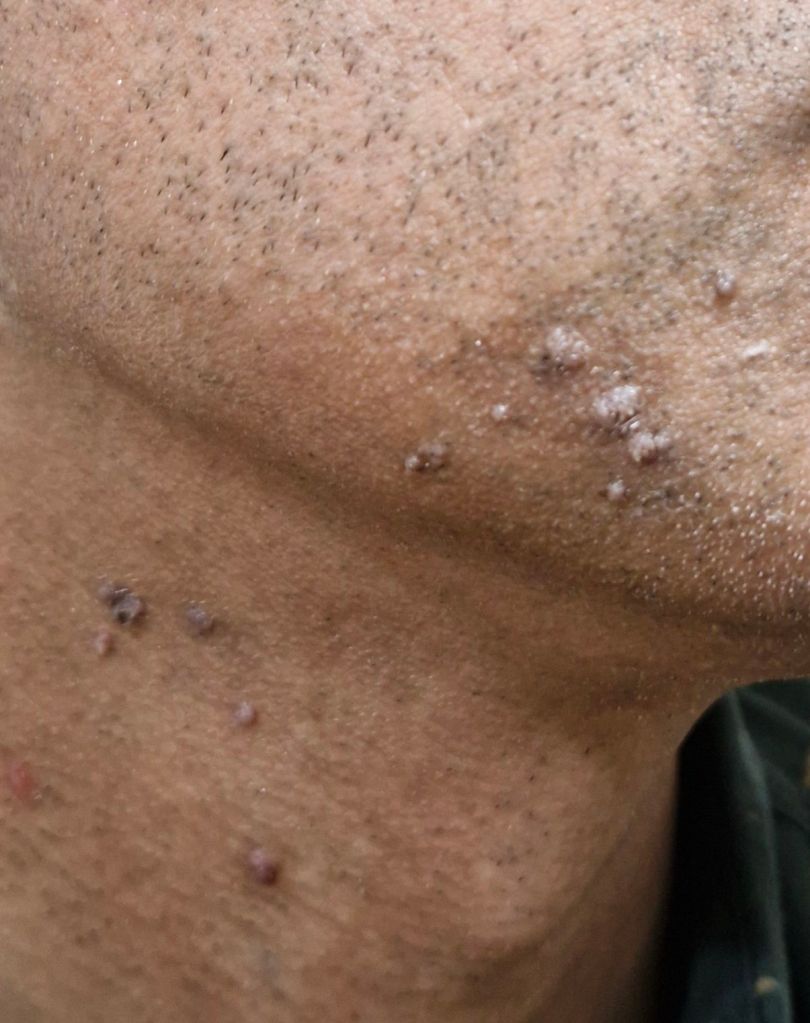
चेहरे के वायरल मस्से, जो ह्यूमन पैपिलोमावायरस (HPV) के कारण होते हैं, का इलाज करना चुनौतीपूर्ण हो सकता है क्योंकि चेहरे की त्वचा संवेदनशील होती है। उपचार का उद्देश्य मस्सों को हटाना और दाग-धब्बों या रंग परिवर्तन के जोखिम को कम करना है। यहां कुछ सामान्य उपचार विकल्प दिए गए हैं:
1. टॉपिकल उपचार
सैलिसिलिक एसिड: सैलिसिलिक एसिड युक्त ओवर-द-काउंटर उपचार का उपयोग किया जा सकता है, लेकिन आसपास की त्वचा को नुकसान या जलन से बचाने के लिए सावधानी बरतनी चाहिए।
रेटिनोइड्स: प्रिस्क्रिप्शन रेटिनोइड क्रीम (जैसे ट्रेटिनॉइन) मस्सों के विकास को रोकने में मदद कर सकती है।
इमिक्विमोड: यह प्रिस्क्रिप्शन क्रीम प्रतिरक्षा प्रणाली को वायरस से लड़ने के लिए प्रेरित करती है।
5-फ्लोरूरासिल: कभी-कभी जिद्दी मस्सों के लिए चिकित्सकीय देखरेख में उपयोग किया जाता है।
2. क्रायोथेरेपी
तरल नाइट्रोजन से मस्सों को फ्रीज करना प्रभावी हो सकता है। इसके लिए कई सत्रों की आवश्यकता हो सकती है, लेकिन स्वस्थ त्वचा को नुकसान से बचाने के लिए सावधानी बरतनी चाहिए।
3. इलेक्ट्रोसर्जरी और क्यूरेटेज
इस प्रक्रिया में मस्से को सुन्न करने के बाद स्क्रैप किया जाता है और ऊतक को नष्ट करने के लिए विद्युत प्रवाह का उपयोग किया जाता है। यह प्रभावी हो सकता है, लेकिन इससे दाग-धब्बे हो सकते हैं।
4. लेजर थेरेपी
पल्स्ड-डाई या CO2 लेजर जैसे लेजर मस्सों को लक्षित कर नष्ट कर सकते हैं। यह विधि जिद्दी या बड़े पैमाने पर फैले मस्सों के लिए उपयोगी है, लेकिन महंगी हो सकती है।
5. केमिकल पील्स
माइल्ड केमिकल पील्स (जैसे ट्राइक्लोरोएसिटिक एसिड – TCA) का उपयोग छोटे और सतही मस्सों के लिए किया जा सकता है।
6. इम्यूनोथेरेपी
एंटीजन या ब्लेमाइसिन जैसी दवाओं के इंजेक्शन प्रतिरक्षा प्रणाली को वायरस को लक्षित करने के लिए प्रेरित कर सकते हैं।
7. घरेलू उपचार
सेब का सिरका, लहसुन, या टी ट्री ऑयल का उपयोग फायदेमंद हो सकता है, लेकिन इन तरीकों का वैज्ञानिक समर्थन कमजोर है और ये संवेदनशील चेहरे की त्वचा को परेशान कर सकते हैं।
8. पर्यवेक्षण
कुछ मस्से स्वतः ठीक हो सकते हैं क्योंकि प्रतिरक्षा प्रणाली वायरस को खत्म कर देती है, खासकर बच्चों में। यह विधि छोटे और बिना लक्षण वाले मस्सों के लिए अधिक उपयुक्त है।
मुख्य बिंदु:
स्वयं उपचार से बचें: चेहरे के मस्सों का बिना चिकित्सकीय देखरेख के इलाज करने से दाग-धब्बे या समस्या बढ़ सकती है।
त्वचा रोग विशेषज्ञ से परामर्श करें: मस्सों के प्रकार, आकार और स्थान के आधार पर व्यक्तिगत उपचार के लिए त्वचा विशेषज्ञ से परामर्श करें।
रोकथाम के उपाय: मस्सों को छेड़ने से बचें, क्योंकि इससे वायरस फैल सकता है। अच्छी स्वच्छता बनाए रखें और व्यक्तिगत वस्तुओं को साझा करने से बचें।
क्या आप किसी विशेष उपचार के बारे में विस्तृत जानकारी चाहते हैं?
Facial viral warts, caused by the human papillomavirus (HPV), can be challenging to treat due to the sensitive nature of facial skin. Treatment aims to eliminate the warts while minimizing the risk of scarring or pigmentation changes. Here are some commonly used approaches:
Topical Treatments
Salicylic Acid: Over-the-counter treatments containing salicylic acid can be used, but care must be taken to avoid irritation or damage to surrounding skin.
Retinoids: Prescription retinoid creams (e.g., tretinoin) can help disrupt the growth of warts.
Imiquimod: A prescription cream that stimulates the immune system to fight the virus.
5-Fluorouracil: Occasionally used under medical supervision for resistant warts.
Cryotherapy
Freezing the warts with liquid nitrogen can be effective. Multiple sessions may be required, but care should be taken to minimize damage to healthy facial tissue.
Electrosurgery and Curettage
Involves scraping off the wart after numbing the area and applying electrical current to destroy tissue. This method can be effective but may leave scars.
Laser Therapy
Lasers (e.g., pulsed-dye or CO2 lasers) can target and destroy warts. They are particularly useful for stubborn or widespread warts but can be expensive.
Chemical Peels
Mild chemical peels with agents like trichloroacetic acid (TCA) may be used for small, superficial warts.
Immunotherapy
Intralesional injections of antigens or medications like bleomycin may stimulate the immune system to target the virus.
Home Remedies
Application of apple cider vinegar, garlic, or tea tree oil may help, but these methods lack strong scientific backing and can irritate sensitive facial skin.
Observation
Some warts may resolve spontaneously as the immune system clears the virus, especially in children. This approach is more viable for small, asymptomatic warts.
Key Considerations:
Avoid Self-Treatment: Treating facial warts without medical supervision can lead to scarring or worsening of the condition.
Dermatologist Consultation: Always consult a dermatologist for personalized treatment based on the type, size, and location of the warts.
Preventive Measures: Avoid picking at warts, as this can spread the virus. Maintain good hygiene and avoid sharing personal items.
Would you like detailed advice on any specific treatment?
Treatment options for varicose veins depend on the severity of the condition, symptoms, and personal preferences. They range from conservative measures to minimally invasive or surgical interventions. Here are the main options:
Compression Stockings: Help improve circulation and relieve symptoms like swelling and discomfort.
Elevation: Raising the legs above the heart reduces swelling and improves blood flow.
Weight Management: Maintaining a healthy weight can decrease pressure on the veins.
Avoid Prolonged Sitting or Standing: Frequent movement helps prevent blood pooling.
Non-Invasive and Minimally Invasive Treatments
Sclerotherapy: A solution is injected into the vein, causing it to close and fade over time. Ideal for smaller varicose veins.
Laser Treatment: Uses light energy to close off smaller varicose veins or spider veins.
Radiofrequency Ablation (RFA): A catheter delivers heat to close off larger veins.
Endovenous Laser Therapy (EVLT): A laser fiber is inserted into the vein to seal it shut.
Ambulatory Phlebectomy: Small incisions are made to remove superficial veins.
Surgical Procedures
Vein Stripping and Ligation: Involves removing or tying off the affected veins. Used for more severe cases.
Vein Bypass Surgery: Rarely performed and used for specific, severe cases.
Emerging Treatments
Cyanoacrylate Glue: A medical adhesive seals the vein.
Clarivein (MOCA): A combination of mechanical and chemical ablation.
When to See a Doctor
Consult a healthcare provider if:
You experience pain, swelling, or skin changes.
Home treatments are ineffective.
You have bleeding or ulcers near the veins.
A vascular specialist can assess your condition and recommend the most suitable treatment.
वैरिकोज वेन्स के उपचार विकल्प
वैरिकोज वेन्स के उपचार की आवश्यकता उनकी गंभीरता, लक्षणों और व्यक्तिगत प्राथमिकताओं पर निर्भर करती है। ये उपचार रूढ़िवादी उपायों से लेकर न्यूनतम इनवेसिव और सर्जिकल हस्तक्षेप तक हो सकते हैं। यहाँ मुख्य विकल्प दिए गए हैं:
1. जीवनशैली में बदलाव और स्व-देखभाल
व्यायाम: नियमित शारीरिक गतिविधि रक्त प्रवाह में सुधार करती है और नसों पर दबाव कम करती है।
कंप्रेशन स्टॉकिंग्स: रक्त परिसंचरण में सुधार करने और सूजन तथा असुविधा को कम करने में मदद करती हैं।
पैर उठाना: पैरों को हृदय से ऊपर उठाने से सूजन कम होती है और रक्त प्रवाह बेहतर होता है।
वजन प्रबंधन: स्वस्थ वजन बनाए रखना नसों पर दबाव कम कर सकता है।
लंबे समय तक बैठने या खड़े रहने से बचें: नियमित रूप से हलचल करने से रक्त जमने से बचा जा सकता है।
2. गैर-इनवेसिव और न्यूनतम इनवेसिव उपचार
स्क्लेरोथेरपी: नस में एक समाधान इंजेक्ट किया जाता है, जिससे यह बंद हो जाती है और समय के साथ गायब हो जाती है।
लेजर उपचार: हल्की ऊर्जा का उपयोग करके छोटी नसों या मकड़ी जैसी नसों को बंद किया जाता है।
रेडियोफ्रीक्वेंसी एब्लेशन (RFA): बड़ी नसों को बंद करने के लिए एक कैथेटर गर्मी प्रदान करता है।
एंडोवीनस लेजर थेरेपी (EVLT): नस में एक लेजर फाइबर डाला जाता है ताकि उसे सील किया जा सके।
एंबुलेटरी फ्लीबेक्टॉमी: सतही नसों को हटाने के लिए छोटे चीरे लगाए जाते हैं।
3. सर्जिकल प्रक्रियाएँ
नस स्ट्रिपिंग और लिगेशन: गंभीर मामलों में प्रभावित नसों को हटाने या बांधने की प्रक्रिया।
नस बाईपास सर्जरी: बहुत गंभीर मामलों के लिए दुर्लभ रूप से उपयोग की जाती है।
4. नवीन उपचार
साइनोएक्रिलेट गोंद: नस को सील करने के लिए एक चिकित्सा चिपकने वाला उपयोग किया जाता है।
क्लैरिवेन (MOCA): यांत्रिक और रासायनिक नस बंद करने का संयोजन।
डॉक्टर को कब दिखाएँ
डॉक्टर से परामर्श करें यदि:
आपको दर्द, सूजन, या त्वचा में बदलाव महसूस होता है।
घरेलू उपचार अप्रभावी हो।
नसों के पास रक्तस्राव या अल्सर हो।
एक संवहनी विशेषज्ञ या वेरिकोस वेन विशेषज्ञ आपकी स्थिति का मूल्यांकन कर सकते हैं और सबसे उपयुक्त उपचार की सिफारिश कर सकते हैं।

 Dr Nema Hair, Laser & Cosmetic Surgery Clinic