Uncategorized

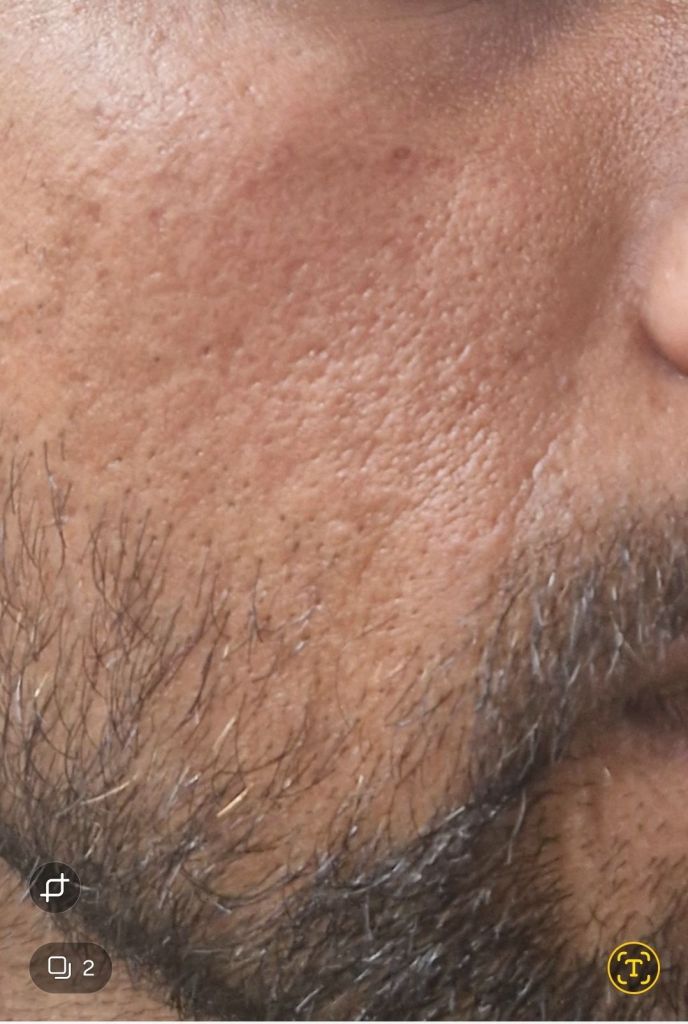
Open pores on Skin: what to do? त्वचा पर खुले रोमछिद्र: क्या करें?

खुले पोर्स (Open Pores) का मतलब त्वचा पर बड़े और अधिक दिखाई देने वाले रोमछिद्र होते हैं, जो अक्सर चेहरे (विशेषकर नाक, गाल और माथे) पर देखे जाते हैं। ये आमतौर पर अतिरिक्त तेल उत्पादन, उम्र बढ़ने, सूरज की क्षति या आनुवंशिक कारणों से होते हैं। हालांकि इन्हें पूरी तरह से खत्म नहीं किया जा सकता, लेकिन सही देखभाल से इनकी उपस्थिति को कम किया जा सकता है।


खुले पोर्स के कारण:

  • अधिक तेल उत्पादन (विशेष रूप से तैलीय त्वचा में)
  • उम्र बढ़ना (त्वचा की लचीलापन कम होना)
  • सूरज की क्षति (कोलेजन कमजोर होना जिससे पोर्स बड़े दिखते हैं)
  • आनुवंशिकता (वंशानुगत त्वचा के लक्षण)
  • गलत स्किन केयर (मेकअप या गंदगी से रोमछिद्र बंद होना)

खुले पोर्स की उपस्थिति को कम करने के तरीके:

  1. सही सफाई रूटीन:
    • दिन में दो बार माइल्ड क्लींजर से चेहरा धोएं ताकि अतिरिक्त तेल और गंदगी हट जाए।
    • हार्श स्क्रब से बचें, क्योंकि यह त्वचा को नुकसान पहुंचा सकता है।
  2. एक्सफोलिएशन (सप्ताह में 1-2 बार):
    • सैलिसिलिक एसिड (BHA) का इस्तेमाल करें ताकि रोमछिद्र साफ रहें और तेल कम हो।
    • अत्यधिक एक्सफोलिएशन से बचें, इससे त्वचा में जलन और पोर्स बढ़ सकते हैं।
  3. मॉइस्चराइज करें:
    • नॉन-कॉमेडोजेनिक (जो रोमछिद्र बंद न करे) मॉइस्चराइज़र का उपयोग करें।
  4. हर दिन सनस्क्रीन लगाएं:
    • SPF 30+ वाला सनस्क्रीन सूरज की किरणों से सुरक्षा देता है और त्वचा की लचीलापन बनाए रखता है।
  5. विशेष उपचार:
    • रेटिनॉइड्स: सेल टर्नओवर बढ़ाते हैं और पोर्स को छोटा दिखाते हैं।
    • नियासिनमाइड: तेल उत्पादन नियंत्रित करता है और पोर्स की उपस्थिति कम करता है।
    • क्ले मास्क: अतिरिक्त तेल सोखता है और रोमछिद्रों को साफ रखता है।
  6. लाइफस्टाइल में बदलाव:
    • पर्याप्त पानी पिएं और एंटीऑक्सीडेंट से भरपूर संतुलित आहार लें।
    • हेवी मेकअप से बचें और इसे हटाए बिना कभी न सोएं।

उन्नत चिकित्सा उपचार (यदि आवश्यक हो):

  • केमिकल पील्स: त्वचा की बाहरी परत हटाकर बनावट को चिकना बनाते हैं।
  • लेजर थेरेपी: त्वचा को टाइट करती है और पोर्स की उपस्थिति कम करती है।
  • माइक्रोनीडलिंग: कोलेजन उत्पादन को बढ़ावा देती है और त्वचा को स्मूथ बनाती है।

खुले पोर्स की समस्या के लिए पेशेवर समाधान प्राप्त करने के लिए जबलपुर में स्किन केयर क्लिनिक पर संपर्क करें।

Open pores on the skin refer to enlarged skin pores that are more visible, often on the face (especially the nose, cheeks, and forehead). They are caused by excess oil production, aging, sun damage, or genetics. While you cannot permanently shrink pores, you can minimize their appearance and prevent them from becoming larger.

Causes of Open Pores:

  • Excess oil production (common in oily skin types)
  • Aging (loss of skin elasticity)
  • Sun damage (weakens collagen, enlarging pores)
  • Genetics (inherited skin characteristics)
  • Improper skincare (clogged pores from makeup and dirt)

Ways to Minimize Open Pores:

  1. Proper Cleansing Routine:
    • Use a gentle cleanser twice a day to remove excess oil and dirt.
    • Avoid harsh scrubs that can irritate the skin.
  2. Exfoliation (1-2 times/week):
    • Use salicylic acid (BHA) to clear pores and reduce oiliness.
    • Avoid over-exfoliating, which can irritate and enlarge pores.
  3. Moisturize Regularly:
    • Choose a lightweight, non-comedogenic (won’t clog pores) moisturizer.
  4. Use Sunscreen Daily:
    • SPF 30+ protects skin from sun damage and maintains elasticity.
  5. Targeted Treatments:
    • Retinoids: Help increase cell turnover and reduce pore size.
    • Niacinamide: Minimizes pore appearance and controls oil.
    • Clay Masks: Absorb excess oil and clear pores.
  6. Lifestyle Changes:
    • Stay hydrated and eat a balanced diet rich in antioxidants.
    • Avoid heavy makeup and always remove it before bed.

Medical Treatments (If Needed):

  • Chemical Peels: Remove the outer layer of skin for smoother texture.
  • Laser Therapy: Tightens skin and reduces pore size.
  • Microneedling: Stimulates collagen production.

Would you like skincare recommendations or specific treatment options?

https://maps.app.goo.gl/5ZFxrpK421Dr5kKk6

Uncategorized

Are burn scars treatable? क्या जले के निशानों का इलाज हो सकता है?

Yes, burn scars are treatable, though the effectiveness of treatment depends on the severity, age, and type of the scar. There are several treatment options available:

1. Non-Surgical Treatments:

  • Topical Treatments: Silicone sheets or gels can help flatten and fade scars.
  • Pressure Therapy: Useful for preventing thick (hypertrophic) scars by applying pressure garments.
  • Steroid Injections: Reduce inflammation and improve the texture of raised scars.
  • Laser Therapy: Helps reduce redness, smooth out scars, and improve skin texture.

2. Surgical Treatments:

  • Skin Grafting: Replaces damaged skin with healthy skin from another area.
  • Scar Revision Surgery: Removes or repositions the scar to make it less noticeable.

3. Advanced Therapies:

  • Microneedling: Stimulates collagen production to improve scar texture.
  • PRP (Platelet-Rich Plasma) Therapy: Promotes skin healing and regeneration.

4. Home Care & Natural Remedies:

  • Moisturizing: Keeps the skin hydrated and improves elasticity.
  • Massage Therapy: Helps soften and flatten scars over time.

When to See a Doctor:

If a scar is causing pain, limiting movement, or affecting appearance, consult a dermatologist or plastic surgeon for personalized treatment options.

Would you like more details on a specific treatment or advice for a particular type of burn scar?

हाँ, जलने के निशान का इलाज संभव है, हालांकि उपचार की प्रभावशीलता निशान की गंभीरता, उम्र और प्रकार पर निर्भर करती है। इसके लिए कई प्रकार के उपचार उपलब्ध हैं:

1. गैर-सर्जिकल उपचार:

  • टॉपिकल ट्रीटमेंट: सिलिकॉन शीट या जेल से निशान को सपाट और हल्का करने में मदद मिलती है।
  • प्रेशर थेरेपी: दबाव गारमेंट का उपयोग करके मोटे (हाइपरट्रॉफिक) निशान बनने से रोका जा सकता है।
  • स्टेरॉयड इंजेक्शन: सूजन को कम करते हैं और उभरे हुए निशान की बनावट में सुधार करते हैं।
  • लेजर थेरेपी: लालिमा कम करने, त्वचा को चिकना बनाने और निशान को हल्का करने में मदद करती है।

2. सर्जिकल उपचार:

  • स्किन ग्राफ्टिंग: क्षतिग्रस्त त्वचा को शरीर के किसी अन्य हिस्से से स्वस्थ त्वचा से बदलना।
  • स्कार रिवीजन सर्जरी: निशान को हटाना या उसकी स्थिति बदलना ताकि वह कम दिखाई दे।

3. उन्नत उपचार:

  • माइक्रोनीडलिंग: कोलेजन उत्पादन को उत्तेजित करता है, जिससे त्वचा की बनावट में सुधार होता है।
  • पीआरपी (प्लेटलेट-रिच प्लाज़्मा) थेरेपी: त्वचा की मरम्मत और पुनर्जनन को बढ़ावा देती है।

4. घरेलू देखभाल और प्राकृतिक उपचार:

  • मॉइस्चराइजिंग: त्वचा को हाइड्रेट रखती है और लचीलापन बढ़ाती है।
  • मसाज थेरेपी: समय के साथ निशान को नरम और सपाट करने में मदद करती है।

कब डॉक्टर से संपर्क करें:

यदि निशान दर्द कर रहा है, शरीर की गति को सीमित कर रहा है, या आपकी उपस्थिति को प्रभावित कर रहा है, तो व्यक्तिगत उपचार के लिए किसी विशेषज्ञ से परामर्श करें।

यदि आपको विशेष देखभाल की आवश्यकता है, तो जबलपुर में बर्न क्लिनिक या जबलपुर के सर्वश्रेष्ठ प्लास्टिक सर्जन से संपर्क करना एक प्रभावी समाधान हो सकता है।

https://maps.app.goo.gl/5ZFxrpK421Dr5kKk6

Uncategorized

Male Breast Enlargement (Gynecomastia)/ पुरूषों में स्तन बढ़ना

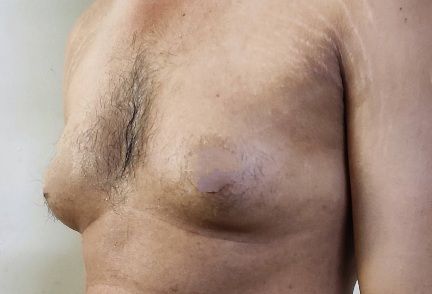
Gynecomastia is the enlargement of male breast tissue caused by an imbalance between estrogen and testosterone. It can affect one or both breasts and is common in adolescents, older men, and those with hormonal imbalances.

Causes of Gynecomastia:

  • Hormonal Imbalance – Increased estrogen or decreased testosterone.
  • Obesity – Leads to excess fat and increased estrogen production.
  • Medications – Certain drugs like steroids, anti-androgens, or antidepressants.
  • Underlying Conditions – Liver disease, kidney failure, or thyroid disorders.
  • Substance Use – Alcohol, marijuana, and anabolic steroids can contribute.

Symptoms:

  • Swollen or enlarged breast tissue.
  • Firm, rubbery lump under the nipple.
  • Tenderness or sensitivity in the chest area.
  • Puffy or rounded nipple appearance.

Treatment Options:

  • Lifestyle Changes – Weight loss and exercise (helps with pseudogynecomastia).
  • Medications – In some cases, doctors prescribe hormone-regulating drugs.
  • Surgery – Liposuction or glandular tissue removal for persistent cases.

For gynecomastia treatment in Jabalpur, consulting a cosmetic surgeon in Jabalpur can help determine the best approach. If you’d like recommendations, let me know!

पुरुषों में स्तन वृद्धि (गाइनेकोमास्टिया)

गाइनेकोमास्टिया पुरुषों में स्तन ऊतक (ग्लैंड) के बढ़ने को कहते हैं, जो एस्ट्रोजन और टेस्टोस्टेरोन के असंतुलन के कारण होता है। यह एक या दोनों स्तनों को प्रभावित कर सकता है और आमतौर पर किशोरों, वृद्ध पुरुषों और हार्मोनल असंतुलन वाले व्यक्तियों में देखा जाता है।

गाइनेकोमास्टिया के कारण:

  • हार्मोनल असंतुलन – एस्ट्रोजन का बढ़ना या टेस्टोस्टेरोन का कम होना।
  • मोटापा – शरीर में अतिरिक्त चर्बी और एस्ट्रोजन उत्पादन बढ़ने से।
  • दवाओं का प्रभाव – कुछ स्टेरॉयड, एंटी-एंड्रोजन और एंटीडिप्रेसेंट जैसी दवाएं।
  • स्वास्थ्य समस्याएं – लीवर रोग, किडनी फेल्योर, या थायरॉइड असंतुलन।
  • नशे का सेवन – शराब, गांजा और एनाबॉलिक स्टेरॉयड का उपयोग।

लक्षण:

  • छाती का फूलना या बड़ा दिखना।
  • निप्पल के नीचे रबर जैसी कठोर गांठ महसूस होना।
  • छाती में कोमलता या संवेदनशीलता।
  • निप्पल के आसपास सूजन या पफी दिखावट।

इलाज के विकल्प:

  • जीवनशैली में बदलाव – वजन घटाने और व्यायाम से सुधार (यदि यह फैट के कारण हो)।
  • दवाइयां – कुछ मामलों में हार्मोन संतुलित करने वाली दवाएं दी जाती हैं।
  • सर्जरी – यदि समस्या बनी रहती है, तो लिपोसक्शन या ग्लैंड हटाने की सर्जरी करवाई जा सकती है।

अगर आप जबलपुर में गाइनेकोमास्टिया का इलाज कराना चाहते हैं, तो किसी जबलपुर के कॉस्मेटिक सर्जन से संपर्क कर सकते हैं। अधिक जानकारी चाहिए तो मुझे बताएं!

https://maps.app.goo.gl/5ZFxrpK421Dr5kKk6

Uncategorized

What skin problems can occur with Varicose veins/ वेरिकोज वेंस से स्किन की क्या समस्याएं उत्पन्न हो सकती हैं?

वैरिकोज़ नसों से खराब रक्त संचार और बढ़े हुए दबाव के कारण कई प्रकार की त्वचा संबंधी समस्याएँ हो सकती हैं। कुछ सामान्य समस्याएँ इस प्रकार हैं:

1. त्वचा का काला पड़ना (हाइपरपिगमेंटेशन) – प्रभावित नसों के आसपास की त्वचा भूरी या लाल हो सकती है, जो क्रॉनिक इंफ्लेमेशन और रक्त रिसाव के कारण होती है।


2. सूखी और खुजली वाली त्वचा (वेनस एक्जिमा या स्टेसिस डर्मेटाइटिस) – खराब रक्त संचार के कारण त्वचा सूखी, जलनयुक्त और लाल हो सकती है, जिससे खुजली होती है।


3. सूजन (एडेमा) – नसों में रक्त के जमाव के कारण पैरों में सूजन हो सकती है, जिससे त्वचा खिंची हुई और चमकदार दिखाई देती है।


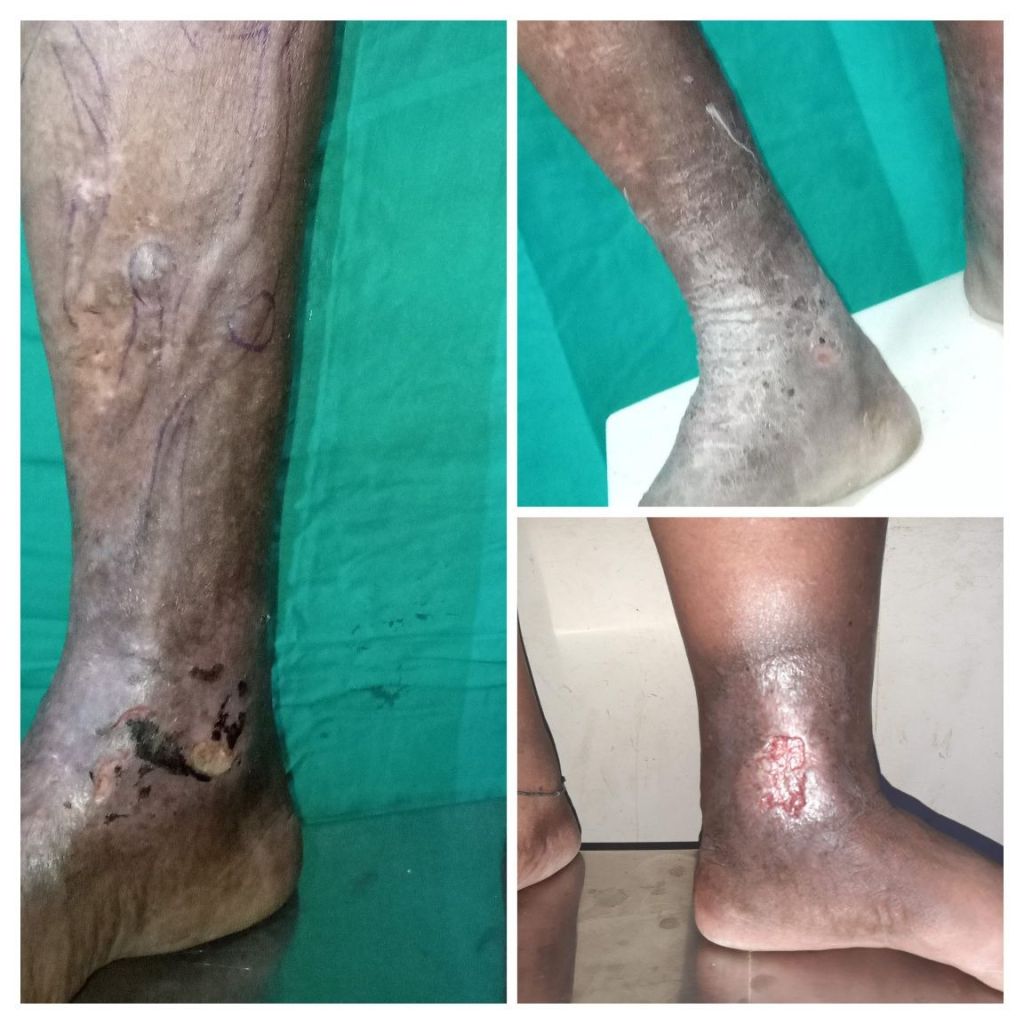
4. त्वचा पर घाव (वेनस अल्सर) – गंभीर मामलों में, लंबे समय तक रक्त संचार में गड़बड़ी के कारण टखनों के आसपास धीमे भरने वाले घाव हो सकते हैं, जो संक्रमण का कारण बन सकते हैं।


5. लिपोडर्माटोस्क्लेरोसिस – यह एक स्थिति है जिसमें लंबे समय तक सूजन और ऊतक के कठोर होने के कारण त्वचा कड़ी, तंग और दर्दनाक हो जाती है।


6. रक्तस्राव और नीले धब्बे (ब्रूज़िंग) – त्वचा के पास की नाजुक नसें आसानी से फट सकती हैं, जिससे मामूली चोट से भी रक्तस्राव या नीले धब्बे हो सकते हैं।


7. सेलुलाइटिस – जहां त्वचा कमजोर होती है वहां बैक्टीरियल संक्रमण हो सकता है, जिससे लालिमा, सूजन, गर्माहट और दर्द हो सकता है।


यदि वैरिकोज़ नसों के आसपास किसी भी तरह का त्वचा परिवर्तन दिखाई दे, तो जटिलताओं से बचने के लिए डॉक्टर से सलाह लेना जरूरी है।

Varicose veins can lead to several skin problems due to poor circulation and increased pressure in the affected veins. Some common skin issues associated with varicose veins include:

  1. Skin Discoloration (Hyperpigmentation) – The skin around varicose veins may turn brown or reddish due to chronic inflammation and blood leakage from the veins.
  2. Dry, Itchy Skin (Venous Eczema or Stasis Dermatitis) – Poor circulation can cause the skin to become dry, irritated, and inflamed, leading to itching and redness.
  3. Swelling (Edema) – Fluid buildup in the legs due to venous insufficiency can cause swelling and discomfort, making the skin appear stretched and shiny.
  4. Skin Ulcers (Venous Ulcers) – In severe cases, prolonged venous insufficiency can lead to open wounds, typically around the ankles, which are slow to heal and prone to infection.
  5. Lipodermatosclerosis – A condition where the skin becomes hardened, tight, and painful due to long-term inflammation and fibrosis of the tissue.
  6. Bleeding and Bruising – The fragile veins close to the skin’s surface may rupture easily, causing spontaneous bruising or bleeding even with minor trauma.
  7. Cellulitis – Bacterial infections can occur in areas where the skin is compromised, leading to redness, warmth, swelling, and tenderness.

If you notice any significant skin changes around varicose veins, it’s important to seek medical attention to prevent complications.

https://maps.app.goo.gl/5ZFxrpK421Dr5kKk6

Uncategorized

How much growth can be expected at 4 months after hair transplant? हेयर ट्रांसप्लांट के ४ महीने बाद कितने बाल आ जाते हैं?

बाल प्रत्यारोपण के 4 महीने बाद क्या अपेक्षा करें?

1. शेडिंग फेज़ (पहले 1-3 महीने)

  • इस समय तक अधिकांश प्रत्यारोपित बाल शॉक लॉस के कारण झड़ चुके होते हैं।
  • यह एक सामान्य प्रक्रिया है, क्योंकि बालों की जड़ें कुछ समय के लिए रेस्टिंग फेज़ में चली जाती हैं।

2. शुरुआती बालों की वृद्धि (3-4 महीने)

  • 4 महीने के आसपास नए बाल उगने लगते हैं।
  • ये बाल आमतौर पर पतले, मुलायम और असमान हो सकते हैं।
  • घनत्व अभी कम दिख सकता है, क्योंकि सभी बालों की ग्रोथ एक साथ शुरू नहीं होती।
  • कुछ लोगों को हल्की खुजली या छोटे दाने हो सकते हैं, क्योंकि नए बाल स्कैल्प से बाहर आने लगते हैं।

3. कवरेज और घनत्व

  • इस चरण में कवरेज अभी भी सीमित रहेगा, लेकिन पहले से सुधार दिखने लगेगा।
  • नए बाल शुरुआत में पतले हो सकते हैं और आपके प्राकृतिक बालों से मेल खाने में समय लगेगा।

आगे क्या उम्मीद करें?

  • 6 महीने: बाल घने और अधिक दिखाई देने लगेंगे।
  • 9-12 महीने: अच्छे घनत्व और प्राकृतिक दिखने वाले बाल आने लगेंगे।
  • 12-18 महीने: पूरी तरह से परिपक्व और घने बालों के परिणाम दिखेंगे।

बेहतर परिणामों के लिए सही देखभाल आवश्यक है। यदि आप जबलपुर में हेयर क्लिनिक की तलाश कर रहे हैं, तो विशेषज्ञ सलाह और उपचार के लिए किसी अनुभवी डॉक्टर से संपर्क करें।

At 4 months after a hair transplant, the growth is still in the early stages. Here’s what you can generally expect:

1. Shedding Phase (First 1-3 Months)

  • By this time, most of the transplanted hair follicles have already gone through shock loss, meaning the newly implanted hairs have shed.
  • This is a normal part of the process, as the hair follicles enter a resting phase before regrowth begins.

2. Early Hair Growth (3-4 Months)

  • Around 4 months, the first signs of new hair start appearing.
  • The new hair will be thin, soft, and slightly uneven in growth.
  • The density may still appear low, and not all transplanted follicles will have started producing visible hair yet.
  • Some patients may experience minor itching or pimples as new hair starts pushing through the scalp.

3. Coverage & Density

  • At this stage, coverage is still limited, but you may start seeing small improvements in areas that were previously bald.
  • The new hair may initially have a finer texture and may not match your natural hair perfectly yet.

What to Expect Going Forward?

  • 6 Months: Hair thickens and becomes more noticeable.
  • 9-12 Months: Significant density improvement, and hair begins looking more natural.
  • 12-18 Months: Full results are visible, with mature, thicker hair growth.

Would you like tips on post-transplant care to optimize growth?

https://maps.app.goo.gl/5ZFxrpK421Dr5kKk6

Uncategorized

Causes of hair thinning and poor growth/ बालों के पतले होने एवं न बढ़ने के कारण

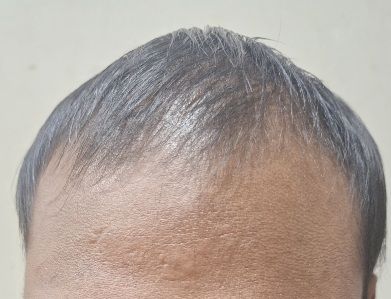
Thinning and poor hair growth can be caused by several factors, including:

1. Nutritional Deficiencies

Protein Deficiency: Hair is made of keratin, a protein, so inadequate intake can lead to hair loss.

Iron Deficiency: Iron is essential for red blood cell production, which carries oxygen to hair follicles.

Vitamin Deficiencies: Lack of biotin (B7), vitamin D, vitamin E, and zinc can weaken hair.


2. Hormonal Imbalances

Androgenetic Alopecia: A genetic condition where DHT (dihydrotestosterone) shrinks hair follicles.

Thyroid Issues: Hypothyroidism and hyperthyroidism can cause hair thinning.

PCOS (Polycystic Ovary Syndrome): Can lead to excessive hair shedding.


3. Stress & Lifestyle Factors

Telogen Effluvium: Sudden hair shedding due to extreme stress, illness, or surgery.

Poor Sleep: Reduces melatonin, which supports hair growth.

Smoking & Alcohol: Restrict blood flow to hair follicles.


4. Scalp Issues & Hair Care Mistakes

Dandruff & Scalp Infections: Fungal infections like seborrheic dermatitis can weaken roots.

Harsh Hair Products: Frequent use of heat, dyes, and chemical treatments damages hair.

Overwashing or Underwashing: Strips natural oils or leads to buildup that clogs follicles.


5. Medical Conditions & Medications

Autoimmune Disorders: Conditions like alopecia areata cause patchy hair loss.

Certain Medications: Chemotherapy, antidepressants, and blood pressure drugs can contribute to hair thinning.


6. Genetics & Aging

If hair loss runs in your family, it’s more likely to happen.

As you age, hair follicles produce thinner strands, leading to natural hair thinning.


How to Improve Hair Growth?

Eat a balanced diet rich in proteins, iron, and vitamins.

Manage stress through exercise, meditation, and proper sleep.

Use mild, sulfate-free shampoos and avoid excessive heat styling.

Massage your scalp with coconut, castor, or rosemary oil to improve blood circulation.

Consult a doctor if hair loss is severe or sudden.


Would you like recommendations for specific hair care products or treatments?

बालों का पतला होना और धीमी गति से बढ़ना कई कारणों से हो सकता है:

1. पोषण की कमी

  • प्रोटीन की कमी: बाल केराटिन नामक प्रोटीन से बने होते हैं, इसलिए पर्याप्त मात्रा में प्रोटीन न लेने से बाल झड़ सकते हैं।
  • आयरन की कमी: आयरन की कमी से बाल कमजोर हो सकते हैं क्योंकि यह बालों की जड़ों तक ऑक्सीजन पहुंचाने में मदद करता है।
  • विटामिन की कमी: बायोटिन (B7), विटामिन D, विटामिन E और जिंक की कमी से बाल पतले और कमजोर हो सकते हैं।

2. हार्मोनल असंतुलन

  • एंड्रोजेनेटिक एलोपेसिया: यह एक आनुवंशिक स्थिति है जिसमें DHT (डायहाइड्रोटेस्टोस्टेरोन) हार्मोन बालों के रोमछिद्रों (फॉलिकल्स) को सिकोड़ देता है।
  • थायरॉइड समस्याएं: हाइपोथायरायडिज्म और हाइपरथायरायडिज्म बालों के झड़ने का कारण बन सकते हैं।
  • PCOS (पॉलीसिस्टिक ओवरी सिंड्रोम): महिलाओं में हार्मोनल असंतुलन के कारण बाल झड़ सकते हैं।

3. तनाव और जीवनशैली के कारण

  • टेलोजन एफ्लुवियम: किसी गंभीर बीमारी, ऑपरेशन या मानसिक तनाव के कारण बाल तेजी से झड़ सकते हैं।
  • नींद की कमी: नींद न लेने से मेलाटोनिन हार्मोन कम हो जाता है, जिससे बालों की ग्रोथ प्रभावित होती है।
  • धूम्रपान और शराब: यह बालों की जड़ों तक रक्त संचार को प्रभावित करते हैं।

4. स्कैल्प संबंधी समस्याएं और गलत हेयर केयर

  • रूसी और फंगल इंफेक्शन: सेबोरेहिक डर्मेटाइटिस जैसी स्थितियां बालों की जड़ों को कमजोर कर सकती हैं।
  • रासायनिक उत्पादों का अधिक प्रयोग: बार-बार डाई, स्ट्रेटनिंग और हीट ट्रीटमेंट से बाल कमजोर होते हैं।
  • गलत हेयर केयर रूटीन: बहुत ज्यादा या बहुत कम बाल धोना दोनों ही नुकसानदायक हो सकते हैं।

5. बीमारियां और दवाइयों का प्रभाव

  • ऑटोइम्यून बीमारियां: जैसे एलोपेसिया एरिएटा, जिसमें बाल झड़कर गंजे पैच बन जाते हैं।
  • कुछ दवाइयों का साइड इफेक्ट: कीमोथेरेपी, एंटीडिप्रेसेंट्स और ब्लड प्रेशर की दवाएं बालों को पतला कर सकती हैं।

6. आनुवंशिकता और उम्र

  • यदि परिवार में गंजेपन का इतिहास है, तो बाल झड़ने की संभावना बढ़ जाती है।
  • उम्र बढ़ने के साथ बालों की मोटाई कम होने लगती है।

बालों की ग्रोथ सुधारने के उपाय

  • संतुलित आहार लें जिसमें प्रोटीन, आयरन और विटामिन्स हों।
  • तनाव कम करें, नियमित व्यायाम करें और पर्याप्त नींद लें
  • माइल्ड, सल्फेट-फ्री शैंपू का उपयोग करें और अधिक हीट स्टाइलिंग से बचें।
  • नारियल, अरंडी (कैस्टर) या रोज़मेरी ऑयल से स्कैल्प की मसाज करें ताकि रक्त संचार बेहतर हो।
  • यदि बालों का झड़ना ज्यादा हो रहा है, तो बालों के विशेषज्ञ (Hair Specialist in Jabalpur) से सलाह लें, जो उचित उपचार बता सकते हैं।

अगर आपको किसी विशेष हेयर केयर प्रोडक्ट या ट्रीटमेंट की सलाह चाहिए तो बता सकते हैं!

https://maps.app.goo.gl/5ZFxrpK421Dr5kKk6

Uncategorized

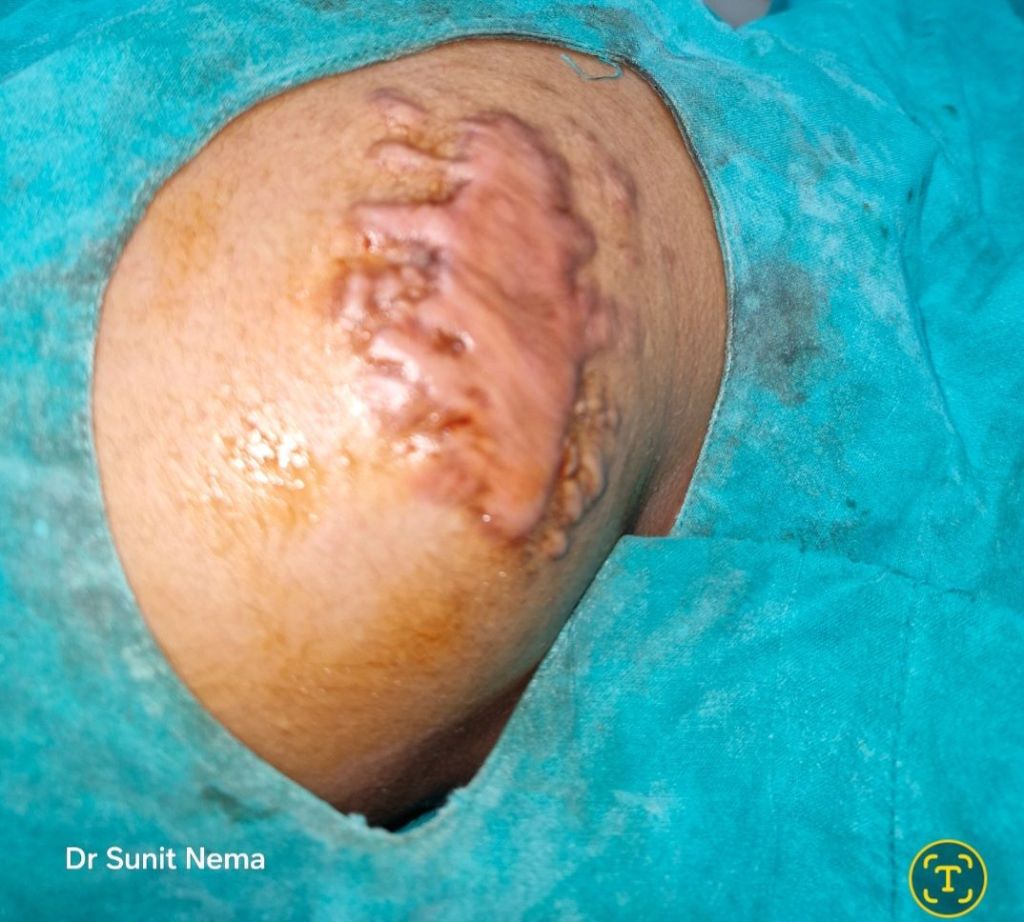
Shoulder keloid / कंधे पर होने वाले किलोइड

https://maps.app.goo.gl/5ZFxrpK421Dr5kKk6

शोल्डर कीलोइड

शोल्डर कीलोइड एक उभरा हुआ, मोटा और अक्सर खुजलीदार या दर्दनाक दाग होता है, जो त्वचा में चोट, सर्जरी, जलने, मुंहासे या पियर्सिंग के बाद अत्यधिक कोलेजन उत्पादन के कारण बनता है। चूंकि कंधे का क्षेत्र बहुत अधिक हिलता-डुलता है, इसलिए यहां कीलोइड बनने की संभावना अधिक होती है।

इलाज के विकल्प

1. बिना सर्जरी वाले इलाज:

सिलिकॉन जेल शीट्स/क्रीम – समय के साथ कीलोइड को नरम और सपाट करने में मदद करती हैं।

प्रेशर थेरेपी – कंप्रेशन बैंडेज का उपयोग आकार कम करने के लिए किया जा सकता है।


2. मेडिकल ट्रीटमेंट:

स्टेरॉयड इंजेक्शन (कॉर्टिकोस्टेरॉयड्स) – सूजन कम करके कीलोइड को सपाट करते हैं।

क्रायोथेरेपी – लिक्विड नाइट्रोजन से कीलोइड को जमाकर छोटा किया जाता है (छोटे कीलोइड के लिए अधिक प्रभावी)।

लेजर थेरेपी – लालिमा और मोटाई कम करने में मदद कर सकती है, लेकिन पूरी तरह से हटाने की गारंटी नहीं होती।

रेडिएशन थेरेपी – सर्जरी के बाद पुन: बढ़ने से रोकने के लिए इस्तेमाल की जाती है।


3. सर्जिकल उपचार (एक्सिशन)

आमतौर पर स्टेरॉयड या रेडिएशन थेरेपी के साथ किया जाता है ताकि दोबारा बनने से रोका जा सके।

यदि उचित प्रबंधन न किया जाए तो सर्जरी के बाद कीलोइड फिर से बनने की संभावना अधिक होती है।


घरेलू देखभाल और बचाव:

कंधे के क्षेत्र को अनावश्यक चोट या घर्षण से बचाएं।

सूरज की किरणों से बचने के लिए सनस्क्रीन का इस्तेमाल करें।

मॉइस्चराइजिंग तेल (जैसे विटामिन ई या प्याज के अर्क वाली क्रीम) से मसाज करने पर बनावट में सुधार हो सकता है।


क्या आप किसी विशेष प्रोडक्ट की सिफारिश या त्वचा विशेषज्ञ की राय चाहते हैं?

A shoulder keloid is a raised, thick, and often itchy or painful scar that forms due to excessive collagen production after skin trauma, surgery, burns, acne, or piercings. Since the shoulder is prone to movement and tension, keloids in this area can be more prominent.

Treatment Options

  1. Non-invasive treatments:
    • Silicone gel sheets/creams – Helps flatten and soften keloids over time.
    • Pressure therapy – Compression bandages may help reduce size.
  2. Medical treatments:
    • Steroid injections (Corticosteroids) – Reduce inflammation and flatten the keloid.
    • Cryotherapy – Freezing the keloid with liquid nitrogen can shrink it (better for smaller keloids).
    • Laser therapy – Can reduce redness and thickness but may not fully remove it.
    • Radiation therapy – Sometimes used after surgical removal to prevent regrowth.
  3. Surgical Removal (Excision)
    • Usually combined with steroids or radiation to prevent recurrence.
    • Keloids have a high recurrence rate after surgery if not managed properly.

Home Care & Prevention

  • Avoid unnecessary trauma to the shoulder area.
  • Use sunscreen to prevent darkening of the keloid.
  • Massage with moisturizing oils (e.g., vitamin E or onion extract creams) may help improve texture.

Would you like recommendations on specific products or a dermatologist’s opinion?

Uncategorized

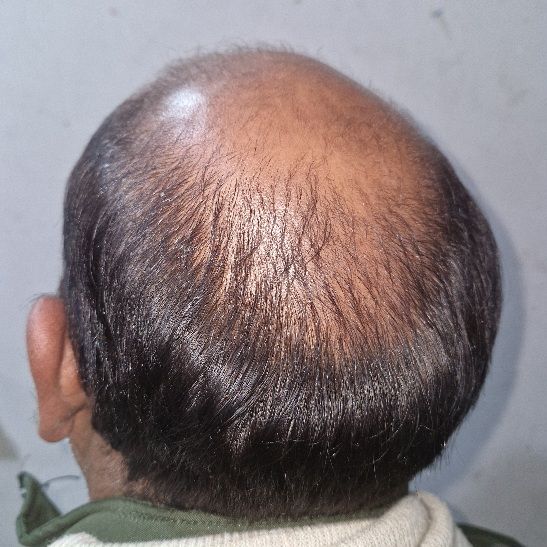
What are my options for high grade baldness? हाई ग्रेड गंजेपन के इलाज के क्या विकल्प हैं?

उच्च ग्रेड गंजापन (हाई-ग्रेड बाल्डनेस) के लिए विकल्प:

1. चिकित्सा उपचार (गैर-सर्जिकल विकल्प)

  • मिनॉक्सिडिल (Rogaine) – यह एक टॉपिकल सॉल्यूशन है जो बालों की जड़ों को सक्रिय करता है और बाल झड़ने की गति को धीमा करता है।
  • फिनास्टेराइड (Propecia) – एक ओरल दवा जो DHT को ब्लॉक कर बालों का झड़ना कम करती है, लेकिन यह शुरुआती या मध्यम गंजेपन में अधिक प्रभावी होती है।
  • डुटास्टेराइड – फिनास्टेराइड का अधिक प्रभावी संस्करण, लेकिन इसके साइड इफेक्ट्स भी अधिक हो सकते हैं।
  • लो-लेवल लेजर थेरेपी (LLLT) – लेजर कैप जैसी डिवाइसेज़ मदद कर सकती हैं, लेकिन परिणाम व्यक्ति पर निर्भर करते हैं।

2. हेयर ट्रांसप्लांट (सर्जिकल विकल्प) – स्थायी समाधान

  • हेयर ट्रांसप्लांट इन जबलपुर – यदि आप स्थायी समाधान चाहते हैं, तो जबलपुर में अनुभवी हेयर ट्रांसप्लांट विशेषज्ञ से परामर्श करें।
  • FUT (फॉलिक्युलर यूनिट ट्रांसप्लांटेशन) – सिर के पिछले हिस्से से बालों की एक पट्टी निकालकर गंजे क्षेत्रों में प्रत्यारोपित की जाती है। इसमें हल्का निशान रह सकता है।
  • FUE (फॉलिक्युलर यूनिट एक्सट्रैक्शन) – इसमें बालों को एक-एक करके निकाला जाता है और गंजे हिस्से में प्रत्यारोपित किया जाता है। यह अधिक आधुनिक और कम दर्द वाला तरीका है।
  • बॉडी हेयर ट्रांसप्लांट (BHT) – यदि सिर के डोनर एरिया में पर्याप्त बाल नहीं हैं, तो दाढ़ी या छाती से बाल लेकर ट्रांसप्लांट किया जा सकता है।

3. स्कैल्प माइक्रोपिगमेंटेशन (SMP)

  • यह एक नॉन-सर्जिकल प्रक्रिया है जिसमें सिर पर छोटे-छोटे डॉट्स बनाकर घने बालों का आभास दिया जाता है।

4. हेयर सिस्टम (विग और हेयरपीस)

  • उच्च गुणवत्ता वाले हेयरपीस या विग एक अस्थायी लेकिन प्रभावी समाधान हो सकते हैं।

5. PRP थेरेपी और भविष्य के उपचार

  • PRP (प्लेटलेट-रिच प्लाज़्मा) थेरेपी – यह बालों को मोटा करने में मदद कर सकती है लेकिन पूरी तरह गंजे क्षेत्रों में कम प्रभावी होती है।
  • स्टेम सेल थेरेपी और हेयर क्लोनिंग – ये अभी प्रयोगात्मक चरण में हैं और भविष्य में बेहतर समाधान बन सकते हैं।

यदि आप हेयर ट्रांसप्लांट इन जबलपुर की तलाश कर रहे हैं, तो अनुभवी डॉक्टर से परामर्श लेना सबसे अच्छा होगा।

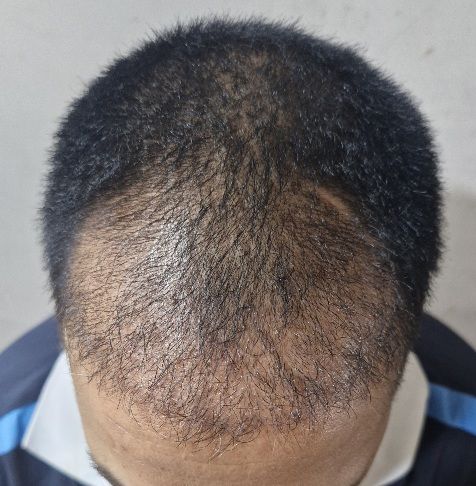
For high-grade baldness (typically Norwood 5-7 in male pattern baldness or Ludwig scale in females), your options depend on how aggressive you want to be with treatment. Here are the main approaches:

1. Medical Treatments (Non-Surgical)

  • Minoxidil (Rogaine) – A topical solution that stimulates hair follicles and slows hair loss. Works best in early to moderate stages but may have some effect even in advanced baldness.
  • Finasteride (Propecia) – An oral DHT-blocker that slows down hair loss but is more effective in earlier stages.
  • Dutasteride – A stronger version of finasteride, but with more potential side effects.
  • Low-Level Laser Therapy (LLLT) – Devices like laser caps may help, but evidence is mixed.

2. Hair Transplant Surgery (Best for High-Grade Baldness)

  • FUT (Follicular Unit Transplantation) – A strip of hair is taken from the back of the scalp and transplanted to bald areas. Leaves a linear scar.
  • FUE (Follicular Unit Extraction) – Individual hair follicles are extracted and implanted, leaving minimal scarring but requiring a good donor area.
  • Body Hair Transplant (BHT) – If the scalp donor area is weak, hair from the beard or chest can be used.

3. Scalp Micropigmentation (SMP)

  • A non-surgical option where tiny dots of pigment are tattooed onto the scalp to create the illusion of a shaved head.

4. Hair Systems (Wigs & Hairpieces)

  • High-quality custom hairpieces can look very natural if maintained well.

5. Lifestyle & Experimental Treatments

  • PRP (Platelet-Rich Plasma) Therapy – May help if some hair remains, but not effective in completely bald areas.
  • Stem Cell Therapy & Hair Cloning – Still in experimental stages.

If you’re considering a hair transplant, it’s crucial to consult a top surgeon, as success depends on donor area quality and the surgeon’s skill. Would you prefer a non-surgical or surgical approach?

https://maps.app.goo.gl/5ZFxrpK421Dr5kKk6

Uncategorized

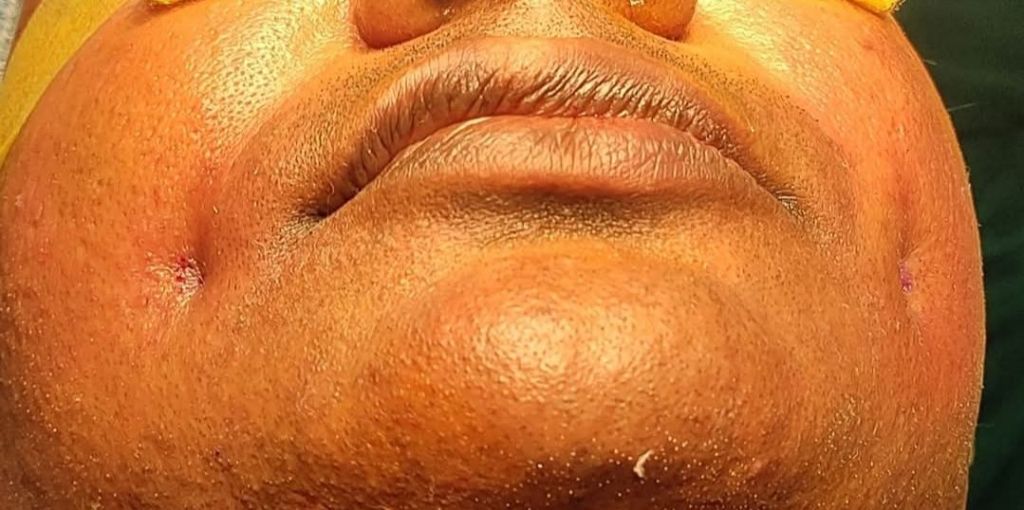
Dimple creation/ Dimpleplasty

Aesthetic dimple creation, also known as dimpleplasty, is a cosmetic surgical procedure designed to create dimples on the cheeks or chin. Dimples are considered attractive in many cultures and can enhance facial expressions.

Procedure

  1. Consultation – A plastic surgeon assesses facial structure and discusses dimple placement.
  2. Local Anesthesia – The area is numbed to minimize discomfort.
  3. Incision Inside the Mouth – A small incision is made inside the cheek (no external scars).
  4. Suture Placement – A dissolvable suture is used to create a small depression in the skin by pulling the inner cheek muscle towards the skin.
  5. Healing & Results – Initially, the dimple is visible even at rest, but after a few weeks, it appears only when smiling.

Recovery & Aftercare

  • Swelling & Mild Discomfort – Lasts for a few days.
  • Soft Diet – Recommended for the first few days.
  • Avoid Strenuous Activities – Until swelling subsides.
  • Results Settle – In about 1–3 months.

Risks & Considerations

  • Asymmetry or unnatural appearance
  • Infection or scarring (rare)
  • Possibility of dimples fading over time

Dimpleplasty is a relatively quick and minimally invasive procedure, but it’s important to choose an experienced surgeon to ensure natural-looking results. Would you like more details on cost, risks, or finding a specialist?

एस्थेटिक डिंपल सर्जरी (डिम्पलप्लास्टी) क्या है?

डिम्पलप्लास्टी एक कॉस्मेटिक सर्जरी है, जिसमें गालों या ठोड़ी पर प्राकृतिक दिखने वाले डिंपल (गड्ढे) बनाए जाते हैं। कई संस्कृतियों में डिंपल को आकर्षक माना जाता है और यह चेहरे की सुंदरता को बढ़ा सकते हैं।


प्रक्रिया (सर्जरी कैसे की जाती है?)

  1. परामर्श (Consultation): पहले सर्जन आपकी चेहरे की संरचना की जांच करते हैं और डिंपल के स्थान पर चर्चा करते हैं।
  2. स्थानीय एनेस्थीसिया (Local Anesthesia): सर्जरी के दौरान दर्द महसूस न हो, इसके लिए क्षेत्र को सुन्न किया जाता है।
  3. मुंह के अंदर छोटा चीरा (Incision Inside the Mouth): गाल के अंदर एक छोटा चीरा लगाया जाता है ताकि बाहर कोई निशान न रहे।
  4. टांके लगाए जाते हैं (Suture Placement): एक घुलनशील (dissolvable) टांका लगाया जाता है, जिससे त्वचा और अंदरूनी मांसपेशी को जोड़ा जाता है और डिंपल बनता है।
  5. हीलिंग और परिणाम (Healing & Results): शुरुआत में डिंपल बिना मुस्कुराए भी दिख सकता है, लेकिन कुछ हफ्तों में यह केवल मुस्कुराने पर ही नजर आएगा।

रिकवरी और देखभाल (Recovery & Aftercare)

  • सूजन और हल्का दर्द: कुछ दिनों तक हल्की सूजन और दर्द हो सकता है।
  • नरम आहार: शुरुआती दिनों में हल्का और नरम भोजन खाने की सलाह दी जाती है।
  • व्यायाम से बचें: जब तक सूजन कम न हो जाए, तब तक भारी गतिविधियों से बचें।
  • अंतिम परिणाम: 1 से 3 महीनों में पूरी तरह से सेट हो जाते हैं।

जोखिम और सावधानियां (Risks & Considerations)

  • असमान या अननेचुरल लुक: दोनों तरफ के डिंपल समान न दिखें, तो असंतोषजनक परिणाम हो सकते हैं।
  • संक्रमण या सूजन: सर्जरी के बाद सही देखभाल न करने पर संक्रमण हो सकता है।
  • डिंपल फीका पड़ सकता है: कुछ मामलों में समय के साथ डिंपल हल्का हो सकता है।

डिम्पलप्लास्टी एक तेज और कम जटिल प्रक्रिया है, लेकिन प्राकृतिक और संतोषजनक परिणामों के लिए एक अनुभवी सर्जन का चयन करना जरूरी है।

https://posts.gle/ZLaeE1rXFhBfr1aV6?g_st=ac

Uncategorized

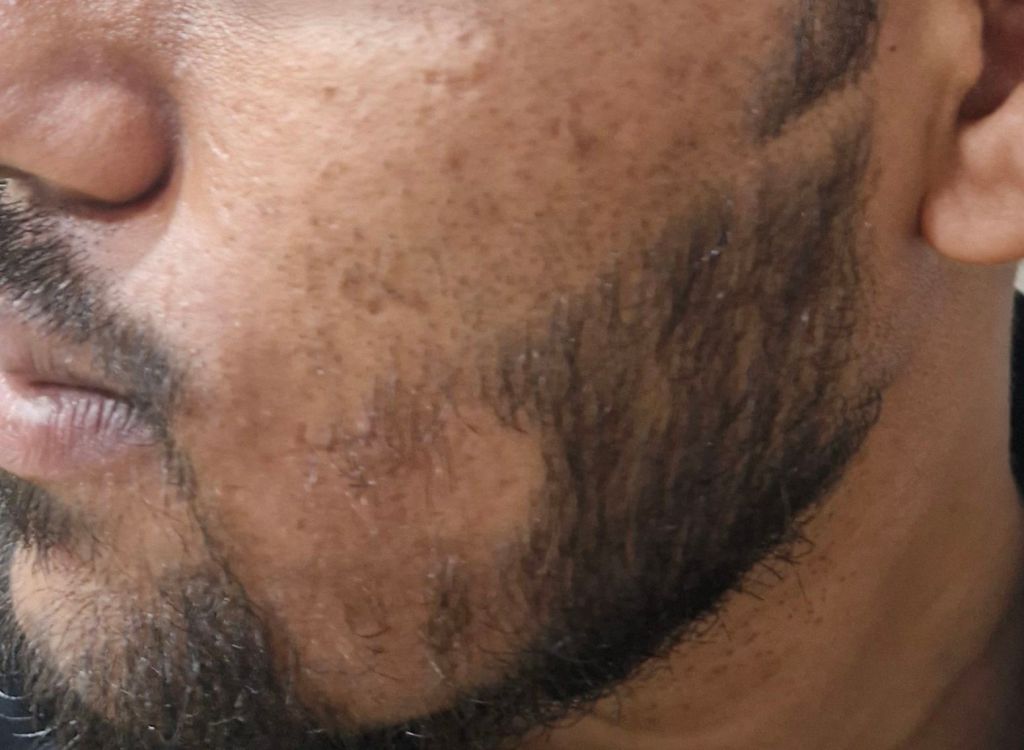
Beard alopecia areata/ दाढ़ी के बालों का एलोपेसिया एरिएटा

दाढ़ी में एलोपेसिया एरीटा एक ऑटोइम्यून स्थिति है जिसमें पैचदार बालों का झड़ना होता है। यह तब होता है जब प्रतिरक्षा प्रणाली गलती से बालों के रोम (हेयर फॉलिकल्स) पर हमला करती है, जिससे बाल झड़ने लगते हैं।

कारण:

  1. ऑटोइम्यून प्रतिक्रिया – प्रतिरक्षा प्रणाली बालों के रोम को नुकसान पहुँचाती है।
  2. आनुवंशिकी (Genetics) – परिवार में एलोपेसिया या अन्य ऑटोइम्यून बीमारियों का इतिहास।
  3. तनाव (Stress) – शारीरिक या मानसिक तनाव इसे ट्रिगर कर सकता है।
  4. हार्मोनल असंतुलन – टेस्टोस्टेरोन और डीएचटी (DHT) का असंतुलन।
  5. स्वास्थ्य समस्याएँ – थायरॉइड, मधुमेह, या विटामिन की कमी।

लक्षण:

  • दाढ़ी में गोल या अंडाकार गंजे पैच।
  • प्रभावित स्थान की त्वचा चिकनी होती है।
  • कभी-कभी हल्की लाली या जलन।
  • कोई स्थायी दाग या नुकसान नहीं।
  • बाल दोबारा आ सकते हैं, लेकिन अनियमित रूप से।

इलाज के विकल्प:

  1. टॉपिकल (सतही उपचार)
    • मिनोक्सिडिल (Rogaine) – बालों की वृद्धि को उत्तेजित करने के लिए।
    • कॉर्टिकोस्टेरॉइड क्रीम या इंजेक्शन – सूजन को कम करने के लिए।
    • डिफेंसिप्रोन (DPCP) या एंथ्रालिन – प्रतिरक्षा प्रणाली को संतुलित करने के लिए।
  2. मौखिक दवाएं (Oral Medications)
    • गंभीर मामलों में कॉर्टिकोस्टेरॉइड्स
    • JAK इनहिबिटर्स – प्रतिरक्षा प्रतिक्रिया को रोकने के लिए।
  3. जीवनशैली में बदलाव
    • तनाव कम करना (ध्यान, व्यायाम, अच्छी नींद)।
    • पोषक तत्वों से भरपूर आहार (बायोटिन, आयरन, जिंक)।
  4. प्राकृतिक उपचार
    • रोज़मेरी या कैस्टर ऑयल बालों की ग्रोथ के लिए।
    • प्याज का रस – कुछ लोगों के लिए प्रभावी पाया गया है।
  5. पीआरपी थेरेपी (PRP Therapy – Platelet-Rich Plasma)
    • रोगी के स्वयं के खून से प्लेटलेट निकालकर प्रभावित हिस्से में इंजेक्ट किए जाते हैं ताकि बालों की ग्रोथ को उत्तेजित किया जा सके।

भविष्य की संभावनाएँ (Prognosis):

  • बाल दोबारा उग सकते हैं, लेकिन गिरने और उगने का चक्र अनिश्चित हो सकता है।
  • शुरुआती इलाज से रिकवरी के चांस बढ़ जाते हैं।
  • कुछ मामलों में, यह समस्या अपने आप ठीक हो जाती है।

यदि आपको विशेष उपचार की सिफारिश चाहिए, तो बताएं!

Beard Alopecia Areata is a form of alopecia areata that specifically affects the beard area, leading to patchy hair loss. It is an autoimmune condition where the immune system mistakenly attacks the hair follicles, causing hair to fall out in round or oval patches.

Causes:

  1. Autoimmune reaction – The immune system attacks hair follicles.
  2. Genetics – Family history of alopecia or autoimmune conditions.
  3. Stress – Emotional or physical stress can trigger or worsen symptoms.
  4. Hormonal imbalances – Changes in testosterone and DHT may play a role.
  5. Underlying health conditions – Thyroid disorders, diabetes, or vitamin deficiencies.

Symptoms:

  • Small, round, bald patches in the beard area.
  • Smooth skin where hair loss occurs.
  • Sometimes mild redness or irritation.
  • No scarring or permanent damage to the skin.
  • Hair regrowth may occur but can be unpredictable.

Treatment Options:

  1. Topical Treatments
    • Minoxidil (Rogaine) to stimulate hair growth.
    • Corticosteroid creams or injections to reduce inflammation.
    • Diphencyprone (DPCP) or anthralin for immune modulation.
  2. Oral Medications
    • Corticosteroids (for severe cases).
    • JAK inhibitors (to block immune response).
  3. Lifestyle Changes
    • Reducing stress (meditation, exercise, proper sleep).
    • A balanced diet rich in vitamins and minerals (biotin, iron, zinc).
  4. Natural Remedies
    • Essential oils like rosemary or castor oil.
    • Onion juice (anecdotal evidence of promoting regrowth).
  5. PRP Therapy (Platelet-Rich Plasma)
    • Involves injecting platelets from your own blood into the affected areas to stimulate regrowth.

Prognosis:

  • Hair regrowth is possible, but cycles of loss and regrowth may occur.
  • Early treatment increases the chances of hair returning.
  • In some cases, the condition resolves on its own.

Would you like recommendations for specific treatments based on your case?

https://maps.app.goo.gl/bmXu473WhM7Cgq9r7