Uncategorized

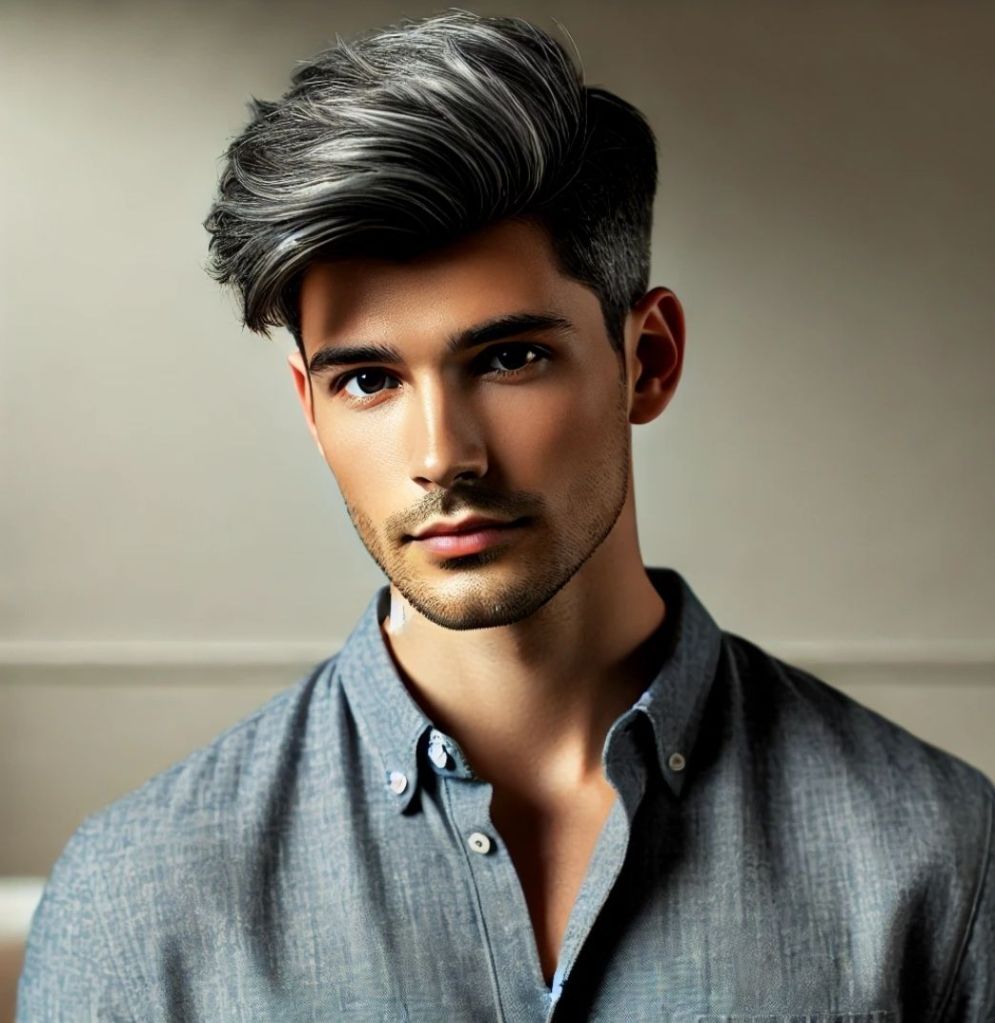
Is hair transplant successful in hair loss due to heredity? क्या आनुवंशिक गंजेपन में हेयर ट्रांसप्लांट हो सकता है?

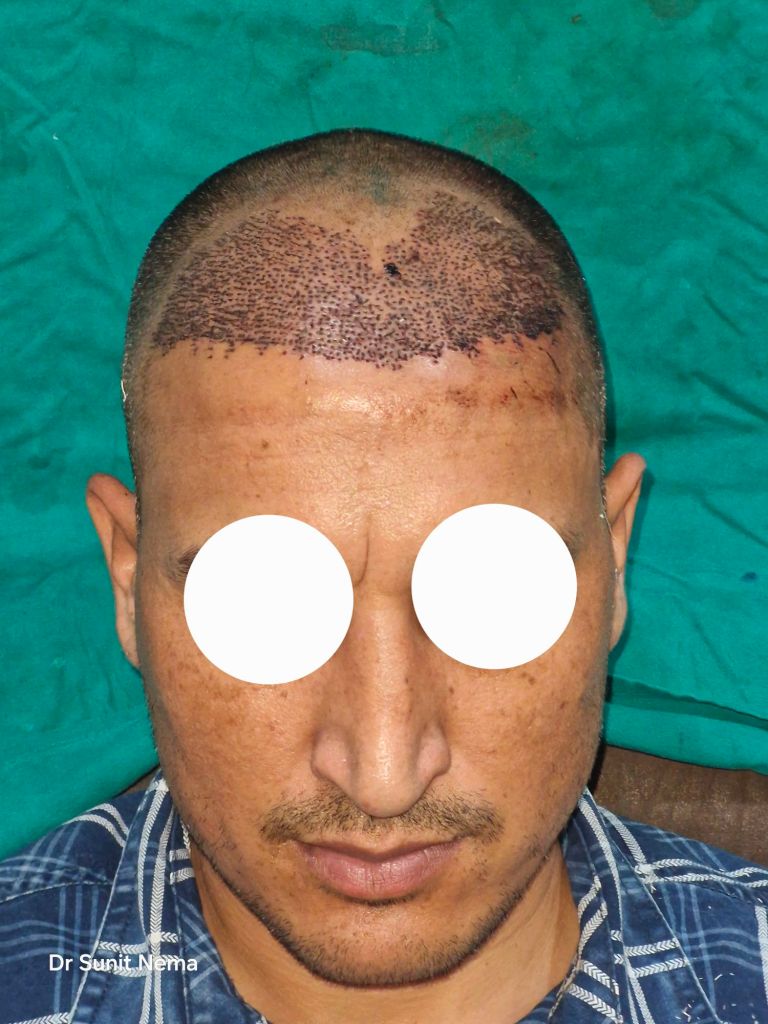
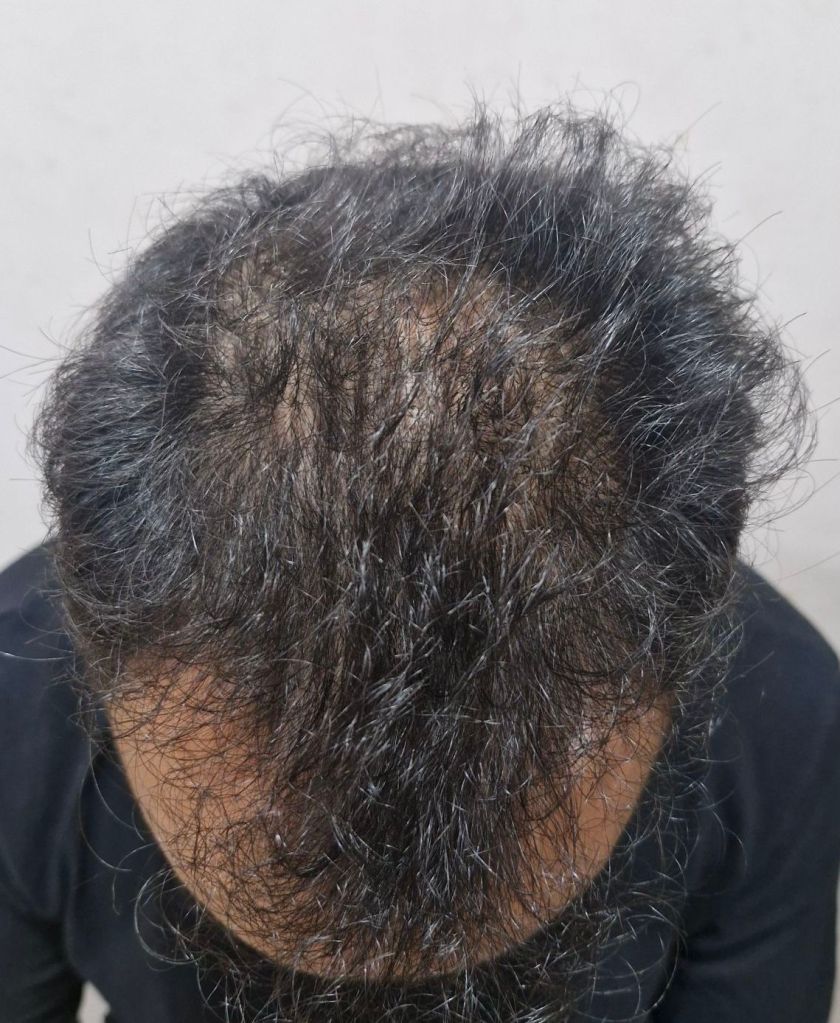
Yes, hair transplants can be successful for hereditary hair loss (androgenetic alopecia), but the results depend on various factors, including the severity of hair loss, the quality of the donor hair, and the expertise of the surgeon. Here’s what you should know:
Success Factors

1. Donor Hair Quality: The procedure uses hair from the back or sides of the scalp (areas resistant to hair loss). The availability and quality of this donor hair are crucial.

2. Technique Used:

FUE (Follicular Unit Extraction): Individual hair follicles are transplanted. It’s minimally invasive and leaves small, less visible scars.

FUT (Follicular Unit Transplantation): A strip of scalp is removed, and follicles are transplanted. It may leave a linear scar but allows for more grafts in one session.

3. Surgeon’s Skill: The natural look of the transplant largely depends on the surgeon’s expertise in placing hair follicles at the correct angle and density.

4. Post-Procedure Care: Following the surgeon’s aftercare instructions ensures better healing and hair growth.

Realistic Expectations

A hair transplant redistributes existing hair; it doesn’t create new hair. If you have extensive baldness, complete coverage may not be possible.

Results take time. Transplanted hair typically starts growing after 3–6 months, with full results visible after 12–18 months.

Maintenance treatments like medications (e.g., finasteride or minoxidil) may be needed to prevent further hair loss.

Success Rate

The success rate of hair transplants is generally high, with most patients achieving natural-looking results. Studies estimate survival rates of transplanted hair grafts to be around 85–95%, depending on the technique and expertise.

If you’re considering the procedure, consult with a qualified dermatologist or hair transplant specialist to determine your suitability and get personalized advice.

हाँ, अनुवांशिक बाल झड़ने (एंड्रोजेनेटिक एलोपेसिया) के लिए हेयर ट्रांसप्लांट सफल हो सकता है, लेकिन इसका परिणाम विभिन्न कारकों पर निर्भर करता है, जैसे कि बाल झड़ने की गंभीरता, डोनर बालों की गुणवत्ता, और सर्जन की विशेषज्ञता। यहाँ मुख्य बातें जानें:

सफलता के कारक

1. डोनर बालों की गुणवत्ता: प्रक्रिया में खोपड़ी के पीछे या किनारों से बाल लिए जाते हैं (जो बाल झड़ने से प्रभावित नहीं होते)। डोनर बालों की उपलब्धता और गुणवत्ता महत्वपूर्ण है।

2. तकनीक का उपयोग:

FUE (फॉलिकुलर यूनिट एक्सट्रैक्शन): व्यक्तिगत बालों के फॉलिकल ट्रांसप्लांट किए जाते हैं। यह कम इनवेसिव है और छोटे, कम दिखाई देने वाले निशान छोड़ता है।

FUT (फॉलिकुलर यूनिट ट्रांसप्लांटेशन): खोपड़ी का एक स्ट्रिप हटाकर फॉलिकल ट्रांसप्लांट किए जाते हैं। इसमें एक रेखीय निशान हो सकता है, लेकिन एक बार में अधिक ग्राफ्ट संभव होते हैं।

3. सर्जन का कौशल: हेयर ट्रांसप्लांट का प्राकृतिक लुक इस बात पर निर्भर करता है कि सर्जन बालों के फॉलिकल्स को सही एंगल और घनत्व में कैसे लगाते हैं।

4. प्रक्रिया के बाद देखभाल: सर्जन द्वारा दिए गए निर्देशों का पालन करने से बेहतर हीलिंग और बालों की ग्रोथ सुनिश्चित होती है।

वास्तविक उम्मीदें

हेयर ट्रांसप्लांट मौजूदा बालों को पुनः व्यवस्थित करता है; यह नए बाल नहीं बनाता। यदि बाल पूरी तरह झड़ चुके हैं, तो पूरे सिर को कवर करना संभव नहीं हो सकता।

परिणाम में समय लगता है। ट्रांसप्लांट किए गए बाल आमतौर पर 3–6 महीने बाद बढ़ने लगते हैं, और पूरे परिणाम 12–18 महीने में दिखते हैं।

भविष्य में बाल झड़ने से बचने के लिए फिनास्टराइड या मिनॉक्सिडिल जैसी दवाओं की आवश्यकता हो सकती है।

सफलता दर

हेयर ट्रांसप्लांट की सफलता दर आम तौर पर अधिक होती है, और अधिकतर मरीजों को प्राकृतिक दिखने वाले परिणाम मिलते हैं। अध्ययनों के अनुसार, ट्रांसप्लांट किए गए बालों की ग्राफ्ट सर्वाइवल रेट 85–95% होती है, जो तकनीक और विशेषज्ञता पर निर्भर करती है।

यदि आप इस प्रक्रिया पर विचार कर रहे हैं, तो किसी योग्य त्वचा विशेषज्ञ या हेयर ट्रांसप्लांट विशेषज्ञ से सलाह लें ताकि यह तय किया जा सके कि यह आपके लिए उपयुक्त है या नहीं।
https://maps.app.goo.gl/iKq3JD4RKWBU868J8

Uncategorized

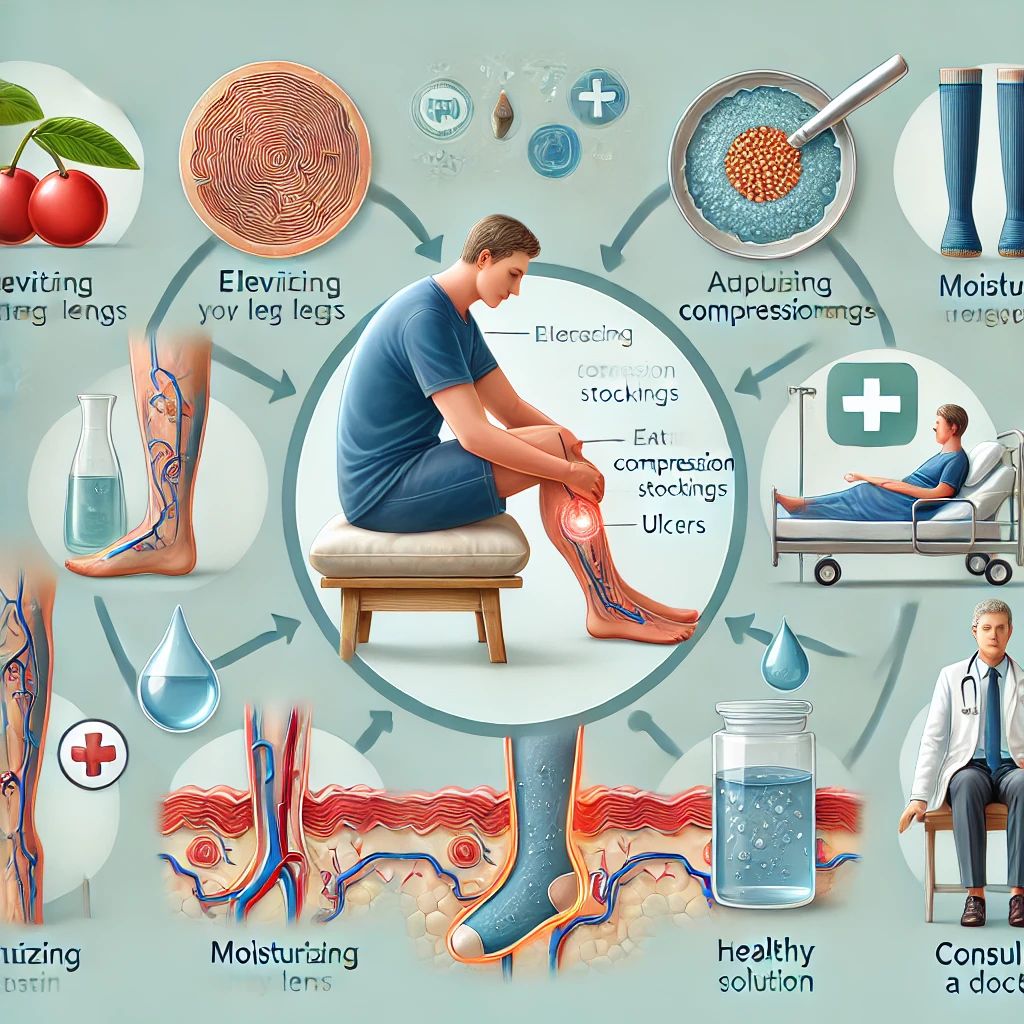
Self care in varicose vein ulcer

Self-care for varicose vein ulcers involves promoting healing, preventing infection, and improving circulation. Here are some steps to follow:

1. Clean and Dress the Ulcer

Clean the wound: Wash the ulcer gently with saline or mild soap and water. Avoid harsh chemicals or scrubbing.

Apply a dressing: Use a sterile dressing to protect the wound and promote healing. Consult a plastic surgeon for recommendations on the best type of dressing.

Change dressings regularly: Replace dressings as instructed by your plastic surgeon, typically once a day or when it becomes wet or soiled.

2. Improve Circulation

Elevate the legs: Keep your legs elevated above heart level for 15–30 minutes several times a day to reduce swelling and improve blood flow.

Wear compression stockings: These help improve blood flow and reduce swelling. Make sure they fit properly and wear them as directed.

Avoid prolonged sitting or standing: Move around regularly to encourage circulation.

3. Maintain Healthy Skin

Moisturize surrounding skin: Use non-perfumed, gentle moisturizers to prevent dryness and cracking.

Avoid tight clothing: Wear loose, breathable clothes to reduce pressure on the veins.

4. Prevent Infection

Watch for signs of infection, such as increased redness, swelling, warmth, pain, or pus.

If an infection occurs, consult your plastic surgeon promptly for antibiotics or other treatments.

5. Adopt a Healthy Lifestyle

Stay active: Engage in low-impact exercises like walking to improve circulation.

Maintain a healthy weight: Excess weight puts extra pressure on your veins.

Eat a balanced diet: Include foods rich in fiber and antioxidants to support vascular health.

6. Monitor and Seek Professional Care

Regularly check the ulcer for changes in size, color, or signs of infection.

Schedule follow-ups with a varicose vein doctor in Jabalpur, such as Dr. Sunit Nema, MCh, to monitor healing progress.

Consider advanced treatments like laser therapy, sclerotherapy, or surgery to address underlying varicose veins under the guidance of Dr. Sunit Nema, MCh.

If the ulcer doesn’t heal or worsens despite self-care, consult Dr. Sunit Nema, MCh, a renowned plastic surgeon and varicose vein doctor in Jabalpur, for specialized treatment options.

वैरिकोज़ वेन अल्सर के लिए स्व-देखभाल उपचार का उद्देश्य घाव भरना, संक्रमण रोकना और रक्त संचार में सुधार करना है। निम्नलिखित कदम उठाए जा सकते हैं:

1. घाव को साफ करें और ड्रेसिंग करें

घाव को साफ करें: अल्सर को धीरे-धीरे नमकीन पानी या हल्के साबुन और पानी से धोएं। कठोर रसायनों या जोर से रगड़ने से बचें।

ड्रेसिंग लगाएं: घाव को सुरक्षित रखने और ठीक होने में मदद के लिए एक स्टेराइल ड्रेसिंग का उपयोग करें। ड्रेसिंग के प्रकार के लिए प्लास्टिक सर्जन से परामर्श लें।

ड्रेसिंग नियमित रूप से बदलें: अपने प्लास्टिक सर्जन के निर्देशानुसार, ड्रेसिंग को रोज़ाना या गीला या गंदा होने पर बदलें।

2. रक्त संचार में सुधार करें

पैरों को ऊंचा रखें: सूजन कम करने और रक्त प्रवाह में सुधार के लिए पैरों को दिन में कई बार 15-30 मिनट के लिए हृदय स्तर से ऊपर उठाएं।

कंप्रेशन स्टॉकिंग्स पहनें: यह रक्त प्रवाह में सुधार करते हैं और सूजन कम करते हैं। सुनिश्चित करें कि यह सही आकार का हो और इसे निर्देशानुसार पहनें।

लंबे समय तक बैठने या खड़े होने से बचें: रक्त संचार को बढ़ावा देने के लिए नियमित रूप से हिलें-डुलें।

3. त्वचा का ध्यान रखें

आसपास की त्वचा को मॉइस्चराइज करें: सूखापन और दरार से बचाने के लिए बिना खुशबू वाले सौम्य मॉइस्चराइज़र का उपयोग करें।

टाइट कपड़े न पहनें: नसों पर दबाव कम करने के लिए ढीले और सांस लेने योग्य कपड़े पहनें।

4. संक्रमण से बचाव करें

संक्रमण के लक्षण देखें, जैसे लालिमा, सूजन, गर्मी, दर्द या मवाद।

यदि संक्रमण हो जाए, तो तुरंत अपने प्लास्टिक सर्जन से परामर्श करें।

5. स्वस्थ जीवनशैली अपनाएं

सक्रिय रहें: रक्त प्रवाह में सुधार के लिए वॉकिंग जैसे लो-इंपैक्ट व्यायाम करें।

स्वस्थ वजन बनाए रखें: अधिक वजन नसों पर अतिरिक्त दबाव डालता है।

संतुलित आहार लें: फाइबर और एंटीऑक्सीडेंट से भरपूर खाद्य पदार्थ शामिल करें ताकि नसों का स्वास्थ्य बेहतर हो सके।

6. नियमित जांच और पेशेवर देखभाल लें

अल्सर में आकार, रंग या संक्रमण के लक्षणों में बदलाव के लिए नियमित रूप से जांच करें।

जबलपुर के वैरिकोज़ वेन डॉक्टर, जैसे डॉ. सुनीत नेमा, MCh, से फॉलो-अप के लिए समय-समय पर मिलें और उपचार की प्रगति की निगरानी करें।

डॉ. सुनीत नेमा, MCh के मार्गदर्शन में लेजर थैरेपी, स्क्लेरोथैरेपी या सर्जरी जैसे उन्नत उपचार पर विचार करें।

यदि स्व-देखभाल के बावजूद अल्सर ठीक नहीं होता या बिगड़ता है, तो डॉ. सुनीत नेमा, MCh, जबलपुर के प्रसिद्ध प्लास्टिक सर्जन और वैरिकोज़ वेन डॉक्टर से विशेष उपचार के लिए परामर्श करें।

https://maps.app.goo.gl/iKq3JD4RKWBU868J8

Uncategorized

Challenges in the chest hair harvest for hair transplant

If you’re considering a hair transplant in Jabalpur and are exploring options like chest hair as a donor area, it’s essential to understand potential challenges and find a reliable hair clinic in Jabalpur. Here are common issues related to chest hair harvesting for hair transplants and tips to ensure a successful procedure:

Problems with Chest Hair Harvest for Hair Transplants:

1. Hair Characteristics Mismatch

Chest hair is often curlier, thicker, and shorter than scalp hair, which can affect the natural appearance of the transplant. This difference is crucial to consider during planning at a reputable hair clinic in Jabalpur.

2. Limited Donor Supply

Chest hair density is typically lower than scalp hair, making it challenging for large-scale transplants. Your chosen hair transplant in Jabalpur specialist should assess whether chest hair is a viable option for your needs.

3. Healing Issues

Chest skin might heal slower or form visible scars. An expert at a trusted hair clinic in Jabalpur can use advanced techniques to minimize scarring and ensure a smooth recovery.

4. Growth Cycle Differences

Chest hair has a shorter growth phase (anagen phase) compared to scalp hair, which may affect the long-term success of the transplant.

5. Discomfort and Complications

Donor site discomfort, redness, or infection can occur if post-surgical care is not handled properly. A leading hair clinic in Jabalpur will provide detailed aftercare instructions to minimize these risks.

How to Ensure Success:

Choose a Specialist in Jabalpur: Look for a clinic with experience in body hair transplants (BHT) and a strong track record in achieving natural results.

Comprehensive Consultation: Clinics offering hair transplants in Jabalpur should assess hair type, growth patterns, and donor areas to ensure compatibility.

Post-Operative Care: Follow your surgeon’s guidance closely to promote healing and prevent complications.

If you’re searching for reliable options, explore the best hair clinics in Jabalpur to get expert advice and achieve optimal results for your hair restoration journey.

https://maps.app.goo.gl/iKq3JD4RKWBU868J8

Uncategorized

Premature hair greying: Prevention and treatment

Premature hair greying, also known as premature canities, is a common concern that occurs when hair turns grey earlier than expected. For individuals in Jabalpur seeking expert advice and treatment, consulting a renowned specialist like Dr. Sunit Nema at a trusted hair clinic in Jabalpur is highly recommended. Dr. Nema, a well-known hair expert, also specializes in advanced hair treatments, including hair transplant procedures.

Understanding Premature Hair Greying

Premature greying is influenced by several factors:

Genetics

Nutritional deficiencies (e.g., vitamin B12, iron, copper)

Stress and lifestyle choices

Medical conditions (thyroid issues, vitiligo)

Oxidative damage

Treatment Options in Jabalpur

If you’re experiencing premature greying, Dr. Sunit Nema offers a range of effective treatments tailored to individual needs. These include:

1. Nutritional Therapy

Boosting intake of vitamins and minerals like B12, zinc, and antioxidants.

2. Advanced Hair Treatments

Topical solutions to enhance melanin production.

Hair health improvement plans to prevent further greying.

3. Hair Transplantation

Dr. Sunit Nema is a leading name in hair transplant in Jabalpur, providing state-of-the-art procedures for natural-looking results.

4. Cosmetic Solutions

Expert advice on safe hair coloring and greying camouflage techniques.

Why Choose Dr. Sunit Nema?

Renowned hair expert with years of experience.

Comprehensive treatments for hair loss, greying, and scalp issues.

Trusted name for hair transplant in Jabalpur with high success rates.

Modern facilities and personalized care at the hair clinic in Jabalpur.

For anyone in Jabalpur struggling with premature greying or hair concerns, Dr. Sunit Nema and his clinic provide reliable, expert solutions to help restore confidence and maintain healthy hair.

समय से पहले बाल सफेद होने के कारण और उपचार

समय से पहले बाल सफेद होना तब होता है जब बाल सामान्य उम्र (आमतौर पर 20-30 साल) से पहले अपना रंगद्रव्य (मेलानिन) खो देते हैं। इसके मुख्य कारण और उपचार नीचे दिए गए हैं:

कारण:

1. आनुवंशिकता:

परिवार में समय से पहले बाल सफेद होने का इतिहास सबसे सामान्य कारण है।

2. पोषण की कमी:

विटामिन B12, D3, E, और खनिज जैसे जिंक, आयरन, और कॉपर की कमी।

3. ऑक्सीडेटिव तनाव:

फ्री रेडिकल्स का जमाव मेलानोसाइट्स (रंगद्रव्य बनाने वाली कोशिकाएं) को नुकसान पहुंचाता है।

4. जीवनशैली के कारण:

धूम्रपान, उच्च तनाव स्तर और नींद की कमी समय से पहले सफेद बालों का कारण बन सकते हैं।

5. स्वास्थ्य समस्याएं:

थायरॉयड विकार, विटिलिगो, और ऑटोइम्यून बीमारियां इसका कारण हो सकती हैं।

6. पर्यावरणीय कारक:

यूवी किरणों, प्रदूषण, और रासायनिक उपचारों के अधिक संपर्क में आना।

7. अन्य कारण:

कुछ दवाएं या असंतुलित आहार।


उपचार:

1. पोषण की कमी को दूर करें:

आहार: विटामिन (B12, D3, और E), जिंक, आयरन, और कॉपर से भरपूर भोजन लें।

सप्लीमेंट्स: डॉक्टर की सलाह से मल्टीविटामिन या विशेष सप्लीमेंट लें।

2. एंटीऑक्सिडेंट्स का सेवन:

एंटीऑक्सिडेंट्स से भरपूर भोजन (फल, सब्जियां, ग्रीन टी) oxidative stress कम करने में मदद करता है।

3. तनाव प्रबंधन:

योग, ध्यान, और नियमित व्यायाम जैसी तकनीकों का अभ्यास करें।

4. चिकित्सा उपचार:

थायरॉयड या ऑटोइम्यून बीमारियों जैसे अंतर्निहित कारणों का इलाज कराएं।

5. जीवनशैली में सुधार:

धूम्रपान से बचें, रासायनिक उपचार कम करें, और बालों को यूवी किरणों से बचाएं।

6. टॉपिकल उपचार:

मेलानिन प्रीकर्सर्स या प्राकृतिक रंगों वाले उत्पाद मददगार हो सकते हैं।

कुछ मामलों में मिनोक्सिडिल बालों की सेहत में सुधार कर सकता है।

7. प्राकृतिक उपाय (प्रभाव व्यक्ति पर निर्भर करता है):

आंवला: बालों को काला और पोषण देने के लिए प्रसिद्ध।

नारियल तेल और करी पत्ते: नियमित उपयोग से सफेद होने की गति कम हो सकती है।

मेहंदी या काले चाय का उपयोग: प्राकृतिक रंग और कंडीशनिंग के लिए।

8. सौंदर्य समाधान:

हेयर डाई (प्राकृतिक या सिंथेटिक) और हाइलाइट्स सफेद बालों को छुपाने में मदद करते हैं।


रोकथाम के उपाय:

संतुलित आहार लें।

तनाव से बचें और स्वस्थ जीवनशैली अपनाएं।

बालों को कठोर रसायनों और पर्यावरणीय कारकों से बचाएं।

अगर समय से पहले सफेद बाल परेशानी का कारण बन रहे हैं, तो त्वचा विशेषज्ञ या हेयर स्पेशलिस्ट से सलाह लें।

https://maps.app.goo.gl/iKq3JD4RKWBU868J8

Uncategorized

Early signs of varicose veins

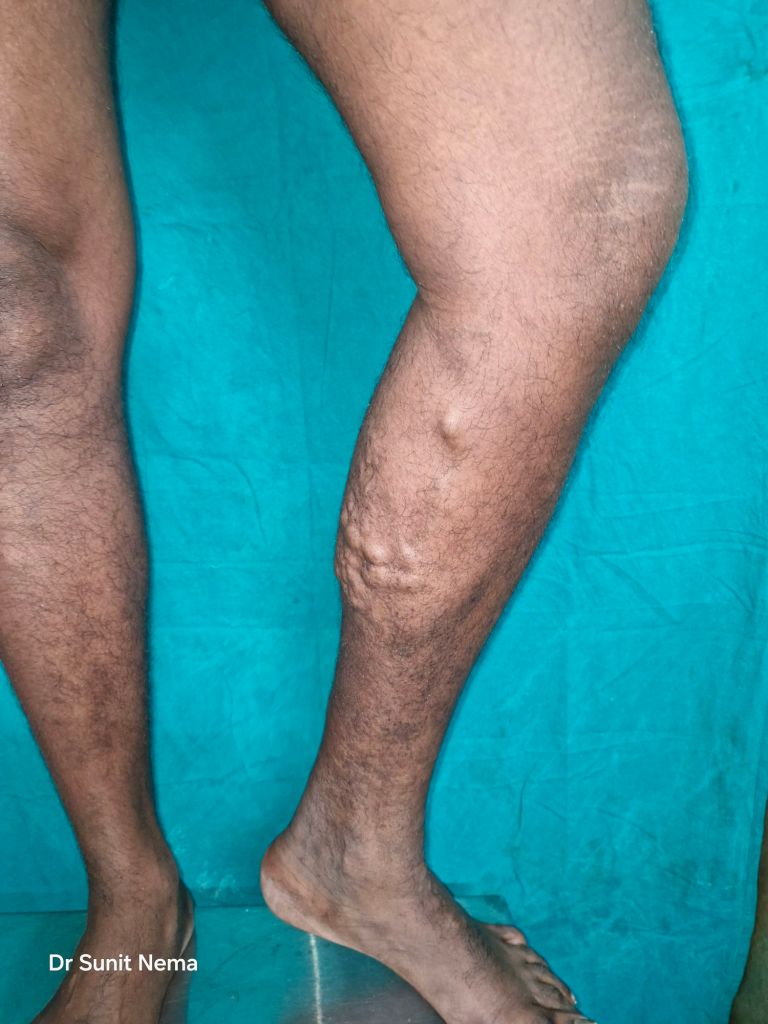
Dr. Sunit Nema, a varicose vein surgeon in Jabalpur, explains that the early signs of varicose veins include:

1. Visible veins: Twisted, bulging veins that appear blue or purple, often resembling cords on the legs.

2. Leg discomfort: A dull ache, heaviness, or throbbing sensation, especially after prolonged standing or sitting.

3. Swelling: Mild swelling in the feet, ankles, or legs.

4. Itching: An itchy feeling around the affected veins.

5. Skin changes: Dry, discolored, or irritated skin near the veins.

6. Muscle cramps: Painful cramps, particularly at night.

7. Fatigue: A feeling of tiredness or restlessness in the legs.

Dr. Nema emphasizes that recognizing these early signs and seeking timely treatment can help prevent complications and improve overall vein health.

Early signs of varicose veins

https://maps.app.goo.gl/iKq3JD4RKWBU868J8

Uncategorized

GFC Vs PRP therapy for hairfall

GFC (Growth Factor Concentrate) therapy is considered superior to PRP (Platelet-Rich Plasma) therapy for hair fall in some cases due to the following reasons:

1. Higher Concentration of Growth Factors

GFC: GFC is a more refined and concentrated version of PRP. It involves isolating specific growth factors like platelet-derived growth factor (PDGF), vascular endothelial growth factor (VEGF), and transforming growth factor-beta (TGF-β) in higher concentrations. These factors are more potent in stimulating hair follicles, promoting growth, and improving hair quality.

PRP: PRP contains a broader mix of platelets and plasma but with comparatively lower concentrations of these critical growth factors.

2. Purity and Absence of Inflammatory Components

GFC: It eliminates unwanted inflammatory components and red blood cells during processing, reducing the chances of irritation or side effects at the injection site.

PRP: The presence of residual red blood cells and leukocytes in PRP can sometimes cause inflammation or discomfort after treatment.

3. Enhanced Precision and Efficacy

GFC: The extraction process is more advanced, ensuring consistent quality and better targeting of the scalp’s affected areas, leading to improved results.

PRP: Results can vary based on the quality of platelet concentration, processing technique, and practitioner’s expertise.

4. Reduced Risk of Side Effects

GFC: With its purified composition, GFC minimizes side effects such as swelling, pain, and allergic reactions.

PRP: The presence of non-essential components in PRP may increase the risk of minor side effects.

5. Convenience

GFC: The procedure is quicker and often requires fewer sessions compared to PRP, making it more convenient for patients.

PRP: Typically requires more sessions to achieve similar outcomes.

6. Cost-Effectiveness in the Long Term

Although GFC therapy may have a higher initial cost, the reduced number of sessions and superior results can make it more cost-effective over time.

7. Scientific Advances

GFC represents a more advanced technology compared to PRP, leveraging better extraction and application techniques for hair restoration.

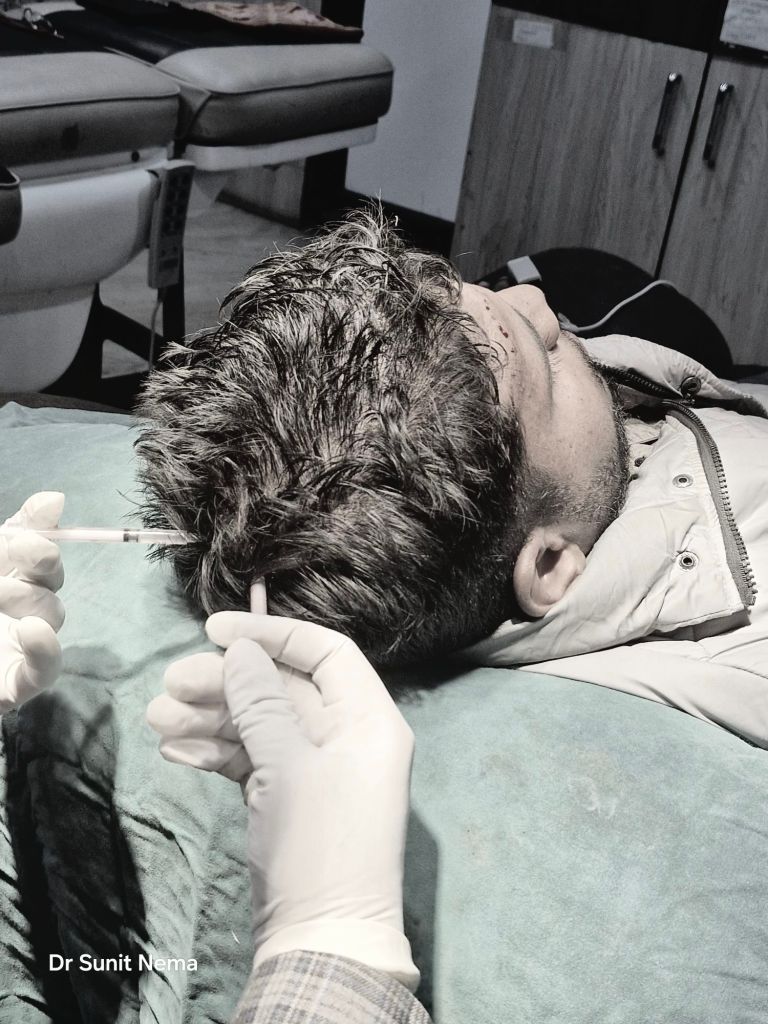
While GFC therapy offers several advantages, the choice between GFC and PRP depends on individual needs, hair loss severity, and medical recommendations. Consulting a qualified dermatologist or trichologist is crucial to determine the best treatment plan.

Gfc therapy for hairfall

https://maps.app.goo.gl/iKq3JD4RKWBU868J8

Uncategorized

IPl Acne treatment in Jabalpur

Intense Pulsed Light (IPL) therapy is a popular acne treatment in Jabalpur, offering a non-invasive solution for managing acne vulgaris and its associated scarring. Here’s an overview of IPL for acne:

Mechanism of IPL in Acne Treatment

1. Bacteria Elimination: IPL targets and destroys Propionibacterium acnes (P. acnes), a bacteria responsible for inflammation in acne.

2. Oil Control: The heat from IPL reduces the activity of sebaceous glands, minimizing sebum production.

3. Redness Reduction: It addresses redness and inflammation caused by acne by targeting blood vessels in the skin.

4. Scar Improvement: Over time, IPL stimulates collagen production, improving the appearance of acne scars and skin texture.

What to Expect

Procedure: The skin is cleansed, and light pulses are applied to acne-prone areas during a 20–30 minute session.

Sessions: Typically, 4–6 sessions spaced 2–4 weeks apart are recommended for best results.

Why Choose IPL for Acne Treatment in Jabalpur?

It is effective for mild to moderate acne.

Reduces acne scars and post-inflammatory pigmentation.

Requires minimal downtime, allowing you to resume daily activities quickly.

Considerations

IPL may cause temporary redness or swelling.

Consult a local dermatologist in Jabalpur to determine if IPL suits your skin type and acne severity.

If you’re looking for effective acne treatment in Jabalpur, IPL therapy could be a game-changer. Contact a trusted dermatologist or skin clinic to explore this option further.

Uncategorized

What Causes hair breakage and how to prevent that?

Hair breakage occurs when the structure of the hair becomes weak or damaged, leading to snapping and split ends. Common causes include:

1. Excessive Heat: Frequent use of hot tools like curling irons, straighteners, and blow dryers can weaken the hair shaft, making it brittle.

2. Chemical Treatments: Harsh treatments such as bleaching, coloring, perming, or relaxing can strip the hair of natural moisture and proteins, leading to damage.

3. Overwashing: Washing hair too often can strip away its natural oils, leaving it dry and prone to breakage.

4. Lack of Moisture: Dry hair is more susceptible to snapping. Factors like low humidity, harsh shampoos, or not using conditioner can contribute to dryness.

5. Poor Hair Care Practices: Brushing or combing hair aggressively, especially when wet, can lead to breakage. Tying hair too tightly can also cause damage over time.

6. Nutritional Deficiencies: A lack of essential nutrients like protein, biotin, zinc, or iron can weaken hair and make it prone to breaking.

7. Environmental Factors: Exposure to harsh weather conditions, pollution, and UV rays can weaken hair structure.

8. Health Conditions: Issues like hormonal imbalances, thyroid problems, or scalp conditions like dandruff and psoriasis can affect hair health.

9. Product Build-up: Using too many styling products or heavy oils can weigh hair down and cause brittleness.

10. Stress and Poor Lifestyle Habits: Chronic stress, lack of sleep, or smoking can indirectly contribute to hair damage by affecting overall health.

Preventing Hair Breakage

Use a heat protectant before using hot tools.

Limit the use of harsh chemical treatments.

Wash your hair with a mild, sulfate-free shampoo and condition regularly.

Avoid tight hairstyles and rough handling of hair.

Protect your hair from environmental damage with hats or scarves.

Maintain a balanced diet rich in vitamins and proteins.

Regularly trim split ends to prevent further damage.

Hair Transplant, Laser, Cosmetic &          Plastic Surgery Centre

Uncategorized

Early signs of baldness

Early signs of potential baldness (also known as androgenic alopecia or male/female pattern baldness) can vary but generally include the following:

1. Receding Hairline

For men, the hairline may start to move backward, particularly at the temples, forming an “M” shape.

Women may notice their hairline thinning but usually don’t experience a full recede.

2. Thinning Crown

Men may notice thinning at the crown of the head, eventually leading to a bald spot.

Women may notice thinning at the part line or across the top of the scalp.

3. Excessive Hair Shedding

Finding more hair than usual on your pillow, in the shower drain, or on your brush.

4. Miniaturized Hair

Hair strands become finer, shorter, and lighter in color over time.

5. Family History

A strong family history of baldness can be an indicator, especially if close relatives experienced early hair loss.

6. Widening Part

In women, the part in the hair may appear wider due to thinning.

7. Visible Scalp

Areas where the scalp becomes more noticeable under light.

8. Changes in Hair Texture

Hair may feel softer, less dense, or weaker than before.

What to Do If You Notice These Signs:

Consult a dermatologist or trichologist to identify the cause.

Consider treatments like minoxidil, finasteride (for men), or low-level laser therapy.

Focus on a healthy diet, stress management, and proper scalp care.

Early intervention is key to slowing or preventing significant hair loss.

Uncategorized

Hair care after hair transplant

Proper hair care after a hair transplant in Jabalpur is essential to ensure successful healing and optimal results. Follow these steps for effective post-transplant care:

1. Immediate Care (First Week):

Avoid touching, scratching, or washing the transplanted area for the first 48 hours.

Sleep with your head elevated to reduce swelling.

Protect your scalp from sunlight and avoid wearing tight hats.

Take prescribed medications, including antibiotics and pain relievers.

2. Washing Hair:

Begin washing your hair gently after 3 days using a mild, sulfate-free shampoo.

Avoid scrubbing and pat dry with a soft towel.

3. Activity Restrictions:

Avoid heavy exercises, swimming, and activities that cause sweating for at least two weeks to prevent infection and graft dislodgement.

4. Ongoing Care:

Moisturize your scalp as directed to prevent crust formation.

Avoid using hair products like gels or dyes for the first month.

5. Long-Term Care:

Expect initial shedding; regrowth usually starts in 3-4 months.

Continue using gentle hair care products and avoid harsh treatments.

Consider PRP therapy to enhance growth if suggested.

6. Lifestyle Tips:

Follow a healthy diet, stay hydrated, and minimize stress to support hair health.

Always consult your surgeon for specific guidance tailored to your procedure type. Following these steps ensures the best outcome from your hair transplant in Jabalpur.

https://maps.app.goo.gl/9FiKgUFZcYiv4oEu9