Uncategorized

Beard hair transplant in Jabalpur/ जबलपुर में दाढ़ी के बालों का प्रत्यारोपण

A beard hair transplant is a cosmetic procedure that helps achieve a fuller, well-defined beard by transplanting hair follicles, typically from the scalp, to areas of the face with sparse or uneven growth. It’s ideal for men looking to enhance their beard density or fill in patches.

Procedure Overview:

1. Consultation: A specialist evaluates your hair density, skin type, and discusses your goals.

2. Hair Extraction:

Follicular Unit Extraction (FUE): Individual hair follicles are removed from the donor area.

Follicular Unit Transplantation (FUT): A strip of skin with hair is removed, and follicles are harvested from it.

3. Hair Implantation: The harvested follicles are transplanted to the beard area, following the natural direction of hair growth.

4. Recovery:

Tiny scabs form around the transplanted hair and fall off within 1–2 weeks.

Full results typically appear after 6–12 months as the transplanted hair grows.

Benefits:

Permanent solution for patchy or thin beards.

Customizable shape and density.

Natural-looking results when performed by an experienced surgeon.

Beard Hair Transplant Cost:

The beard hair transplant cost typically ranges between ₹60,000 and ₹1,00,000, depending on the clinic, location, and the number of grafts required.

Beard Hair Transplant in Jabalpur:

If you’re looking for a beard hair transplant in Jabalpur, several clinics in the area specialize in this procedure. It’s important to choose a reputed clinic with experienced professionals to ensure optimal results and minimize risks.

Would you like help finding the best clinics in Jabalpur or understanding the procedure further?

दाढ़ी हेयर ट्रांसप्लांट एक कॉस्मेटिक प्रक्रिया है जो बालों के रोम (हेयर फॉलिकल्स) को आमतौर पर स्कैल्प से चेहरे के उन हिस्सों में ट्रांसप्लांट करने में मदद करती है, जहां बालों की वृद्धि कम या असमान होती है। यह उन पुरुषों के लिए आदर्श है जो अपनी दाढ़ी की घनत्व बढ़ाना या पैच भरना चाहते हैं।

प्रक्रिया का अवलोकन:

1. परामर्श: एक विशेषज्ञ आपकी बालों की घनत्व, त्वचा के प्रकार का मूल्यांकन करता है और आपके लक्ष्य पर चर्चा करता है।

2. बालों का निष्कर्षण:

फॉलिक्युलर यूनिट एक्सट्रैक्शन (FUE): डोनर क्षेत्र से व्यक्तिगत बालों के रोम हटाए जाते हैं।

फॉलिक्युलर यूनिट ट्रांसप्लांटेशन (FUT): त्वचा का एक पट्टी हटाई जाती है और उसमें से बालों के रोम निकाले जाते हैं।

3. बालों का प्रत्यारोपण: निकाले गए बालों के रोम दाढ़ी के क्षेत्र में प्रत्यारोपित किए जाते हैं, बालों की प्राकृतिक दिशा का पालन करते हुए।

4. रिकवरी:

प्रत्यारोपित बालों के आसपास छोटे-छोटे स्कैब बनते हैं और 1–2 सप्ताह के भीतर गिर जाते हैं।

पूर्ण परिणाम आमतौर पर 6–12 महीनों के भीतर दिखने लगते हैं, जब प्रत्यारोपित बाल बढ़ने लगते हैं।

लाभ:

पैची या पतली दाढ़ी का स्थायी समाधान।

आकार और घनत्व को कस्टमाइज़ किया जा सकता है।

एक अनुभवी सर्जन द्वारा किए जाने पर प्राकृतिक दिखने वाले परिणाम।

दाढ़ी हेयर ट्रांसप्लांट की कीमत:

दाढ़ी हेयर ट्रांसप्लांट की कीमत आमतौर पर ₹60,000 से ₹1,00,000 के बीच होती है, जो क्लिनिक, स्थान और आवश्यक ग्राफ्ट्स की संख्या पर निर्भर करती है।

जबलपुर में दाढ़ी हेयर ट्रांसप्लांट:

यदि आप जबलपुर में दाढ़ी हेयर ट्रांसप्लांट की तलाश कर रहे हैं, तो क्षेत्र में कई क्लीनिक हैं जो इस प्रक्रिया में विशेषज्ञता रखते हैं। सर्वोत्तम परिणाम प्राप्त करने और जोखिम कम करने के लिए एक प्रतिष्ठित क्लीनिक चुनना महत्वपूर्ण है।

क्या आप जबलपुर में सर्वश्रेष्ठ क्लीनिक खोजने या प्रक्रिया के बारे में और अधिक जानकारी चाहते हैं?
https://maps.app.goo.gl/JTDneuaWSipBnNDNA

Uncategorized

What hair density I can expect after hair transplant? हेयर ट्रांसप्लांट के बाद बाल कितने घने हो जाते हैं?

The density you can expect after a hair transplant depends on several factors, including the method used, the skill of the surgeon, the quality of your donor hair, and the size of the recipient area. On average:

1. Number of Grafts Transplanted

FUE (Follicular Unit Extraction): Around 30–45 grafts per square centimeter.

FUT (Follicular Unit Transplantation): Around 40–60 grafts per square centimeter.

A single graft typically contains 1–4 hairs, depending on its natural grouping.

2. Ideal Density Goals

Natural hair density is around 90–120 follicular units per square centimeter, but this level is often impractical in a transplant due to donor limitations.

Hair transplant surgeons aim to achieve a density of 35–60 follicular units per square centimeter to create a natural appearance.

3. Factors Affecting Results

Donor Area Quality: The density and health of hair in the donor area significantly influence the outcome.

Hair Characteristics: Thick, coarse, or curly hair can provide better coverage than fine, straight hair.

Size of the Balding Area: The larger the area to be covered, the more diluted the density will be unless you have a sufficient donor supply.

Surgeon’s Expertise: An experienced surgeon can optimize graft placement for a more natural and dense appearance.

4. Visual Impact

Hair transplants often focus on the frontal hairline and crown, as these are the most visible areas.

Full density restoration like natural hair isn’t always achievable, but skilled surgeons can create the illusion of density using strategic placement.

5. Final Results

Hair density improves over time as transplanted grafts grow. Full results typically take 12–18 months to be visible.

You may require multiple sessions if you have advanced hair loss and want higher density.

Consult with a qualified hair transplant specialist to understand your realistic expectations based on your individual hair characteristics and needs.

बाल प्रत्यारोपण (Hair Transplant) के बाद मिलने वाला घनत्व कई कारकों पर निर्भर करता है, जैसे इस्तेमाल की गई विधि, सर्जन की विशेषज्ञता, डोनर बालों की गुणवत्ता, और जिस क्षेत्र में बाल लगाए जाने हैं उसका आकार। सामान्यतः:

1. ग्राफ्ट्स की संख्या

FUE (Follicular Unit Extraction): लगभग 30–45 ग्राफ्ट प्रति वर्ग सेंटीमीटर।

FUT (Follicular Unit Transplantation): लगभग 40–60 ग्राफ्ट प्रति वर्ग सेंटीमीटर।

एक ग्राफ्ट में आमतौर पर 1–4 बाल होते हैं, जो उनके प्राकृतिक समूह पर निर्भर करता है।

2. आदर्श घनत्व का लक्ष्य

प्राकृतिक बालों का घनत्व लगभग 90–120 फॉलिकुलर यूनिट प्रति वर्ग सेंटीमीटर होता है, लेकिन डोनर की सीमितता के कारण यह प्रत्यारोपण में संभव नहीं है।

सर्जन आमतौर पर 35–60 फॉलिकुलर यूनिट प्रति वर्ग सेंटीमीटर का घनत्व प्राप्त करने का प्रयास करते हैं ताकि प्राकृतिक दिखने वाला परिणाम मिले।

3. परिणामों को प्रभावित करने वाले कारक

डोनर क्षेत्र की गुणवत्ता: डोनर क्षेत्र के बालों का घनत्व और स्वास्थ्य परिणामों को काफी हद तक प्रभावित करता है।

बालों की विशेषताएँ: मोटे, घुंघराले बाल पतले, सीधे बालों की तुलना में बेहतर कवरेज प्रदान करते हैं।

गंजेपन वाले क्षेत्र का आकार: जितना बड़ा क्षेत्र होगा, उतना ही घनत्व कम होगा जब तक कि पर्याप्त डोनर बाल उपलब्ध न हों।

सर्जन की विशेषज्ञता: एक अनुभवी सर्जन ग्राफ्ट को इस तरह से लगा सकता है कि परिणाम अधिक प्राकृतिक और घने लगें।

4. दृश्य प्रभाव

बाल प्रत्यारोपण अक्सर फ्रंटल हेयरलाइन और क्राउन पर केंद्रित होता है क्योंकि ये सबसे अधिक दिखाई देने वाले क्षेत्र होते हैं।

प्राकृतिक बालों की तरह पूरा घनत्व प्राप्त करना हमेशा संभव नहीं होता, लेकिन एक कुशल सर्जन रणनीतिक रूप से घनत्व का भ्रम पैदा कर सकता है।

5. अंतिम परिणाम

जैसे-जैसे लगाए गए बाल बढ़ते हैं, घनत्व समय के साथ बेहतर होता है। पूरी तरह से परिणाम देखने में 12–18 महीने लगते हैं।

यदि बालों का झड़ना अधिक है और आप उच्च घनत्व चाहते हैं, तो आपको कई सत्रों की आवश्यकता हो सकती है।

अपनी बालों की विशेषताओं और आवश्यकताओं के आधार पर यथार्थवादी अपेक्षाओं को समझने के लिए एक योग्य हेयर ट्रांसप्लांट विशेषज्ञ से परामर्श करें।

https://maps.app.goo.gl/WvHJ9nF6XbsoCZ5x6

Uncategorized

When do my hair grow after hair transplant?

हेयर ट्रांसलान्ट के बाद मेरे बाल कब आएंगे?

Dr. Sunit Nema, a renowned hair transplant surgeon based in Jabalpur, explains:

“After a hair transplant, patients can expect a gradual process of hair growth. In the first 2–3 weeks, the transplanted hair may shed due to the ‘shock loss’ phase, which is completely normal. By 1–3 months, new hair starts to grow, although it may initially appear thin and fine. Noticeable hair growth occurs between 4–6 months as the hair thickens and matures. By 12 months, patients typically see significant results, with the final density and texture becoming fully visible within 12–18 months. Each individual’s growth pattern may vary, but following proper post-operative care ensures optimal results.”

Dr. Nema emphasizes the importance of consulting a qualified surgeon for the best outcomes.

डॉ. सुनीत नेमा, जबलपुर के जाने-माने हेयर ट्रांसप्लांट सर्जन, बताते हैं:

“हेयर ट्रांसप्लांट के बाद बालों का बढ़ना एक धीमी और क्रमिक प्रक्रिया है। पहले 2-3 हफ्तों में ट्रांसप्लांट किए गए बाल झड़ सकते हैं, जिसे ‘शॉक लॉस’ कहा जाता है। यह पूरी तरह सामान्य है। 1-3 महीने के भीतर नए बाल उगने लगते हैं, जो शुरुआत में पतले और हल्के हो सकते हैं। 4-6 महीने के बीच बालों की वृद्धि स्पष्ट रूप से दिखने लगती है, और बाल घने और मजबूत होने लगते हैं। 12 महीने के भीतर मरीज को अच्छे परिणाम दिखने लगते हैं, और 12-18 महीनों में बालों की पूरी घनत्व और प्राकृतिक बनावट दिखाई देती है। हालांकि, हर व्यक्ति का बाल उगने का पैटर्न अलग हो सकता है, लेकिन सही पोस्ट-ऑपरेटिव देखभाल से बेहतरीन परिणाम मिलते हैं।”

डॉ. नेमा यह भी कहते हैं कि बेहतर परिणाम के लिए किसी योग्य सर्जन से परामर्श करना बेहद जरूरी है।

https://maps.app.goo.gl/U1pZjjJa1XmDqGQ8A

Uncategorized

Different grades of vericose veins and their treatment

Varicose veins are enlarged, twisted veins that often occur in the legs due to weakened or damaged valves in the veins. They are graded based on their severity, often using the CEAP classification system (Clinical, Etiological, Anatomical, Pathophysiological). Treatment options depend on the grade and symptoms. Here’s an overview:

Grades of Varicose Veins and Treatment

1. Grade C0 (No visible/palpable signs)

Symptoms: Leg heaviness, fatigue, or mild discomfort without visible varicose veins.

Treatment: Lifestyle changes (exercise, leg elevation, weight management), compression stockings.

2. Grade C1 (Telangiectasia/Spider Veins or Reticular Veins)

Symptoms: Fine, red/purple spider veins or small blue reticular veins, often cosmetic concerns.

Treatment:

Sclerotherapy: Injection of a solution to close the veins.

Laser therapy: Non-invasive light treatment to fade veins.

3. Grade C2 (Visible Varicose Veins)

Symptoms: Enlarged, bulging veins visible on the skin. Possible mild discomfort or aching.

Treatment:

Compression therapy (stockings).

Minimally invasive procedures: Endovenous laser therapy (EVLT) or radiofrequency ablation (RFA).

Ambulatory phlebectomy: Removal of veins through small skin incisions.

4. Grade C3 (Edema without skin changes)

Symptoms: Swelling in the lower legs or ankles due to venous insufficiency.

Treatment:

Compression stockings.

Medical management: Address venous reflux with procedures like EVLT or RFA.

Lifestyle changes.

5. Grade C4 (Skin Changes)

Symptoms: Pigmentation (brownish discoloration), eczema, or thickened skin (lipodermatosclerosis).

Treatment:

Medical procedures (e.g., EVLT, RFA, or surgery).

Skin care: Topical creams for eczema, moisturizers.

Compression therapy.

6. Grade C5 (Healed Venous Ulcer)

Symptoms: A healed venous ulcer with visible scarring.

Treatment:

Ongoing compression therapy.

Medical or surgical interventions to address underlying venous reflux.

7. Grade C6 (Active Venous Ulcer)

Symptoms: Open wound or ulcer, usually near the ankle.

Treatment:

Multilayer compression bandages or stockings.

Wound care (dressings, antibiotics if infection is present).

Definitive vein treatment: RFA, EVLT, or surgery once the ulcer heals.


Lifestyle and Preventive Measures

Regular exercise to improve circulation.

Avoid prolonged standing or sitting.

Elevate legs to reduce swelling.

Maintain a healthy weight.

Advanced Treatment Options (if conservative measures fail):

1. Endovenous Laser Therapy (EVLT): Uses laser heat to close off varicose veins.

2. Radiofrequency Ablation (RFA): Similar to EVLT but uses radiofrequency energy.

3. Sclerotherapy: Injects a solution to close small varicose or spider veins.

4. Surgical Options:

Vein Stripping and Ligation: Removal of large varicose veins.

Phlebectomy: Removal of surface veins through tiny incisions.

Consultation with a vascular surgeon or specialist is essential for a personalized treatment plan. Early intervention prevents complications like ulcers or deep vein thrombosis (DVT).

वेरीकोज वेन्स: परिचय और उपचार

वेरीकोज वेन्स फूली हुई, मुड़ी हुई नसें होती हैं, जो अक्सर पैरों में कमजोर या क्षतिग्रस्त वाल्व के कारण होती हैं। इन्हें उनकी गंभीरता के आधार पर CEAP वर्गीकरण प्रणाली (Clinical, Etiological, Anatomical, Pathophysiological) का उपयोग करके वर्गीकृत किया जाता है। उपचार विकल्प ग्रेड और लक्षणों पर निर्भर करते हैं।

वेरीकोज वेन्स के ग्रेड और उनका उपचार

1. ग्रेड C0 (कोई दृश्य या महसूस करने योग्य लक्षण नहीं)

लक्षण: पैरों में भारीपन, थकावट, या हल्का असुविधा लेकिन नसें दिखाई नहीं देतीं।

उपचार: जीवनशैली में बदलाव (व्यायाम, पैरों को ऊंचा रखना, वजन प्रबंधन), कंप्रेशन स्टॉकिंग्स।

2. ग्रेड C1 (स्पाइडर वेन्स या रेटिकुलर वेन्स)

लक्षण: बारीक, लाल/बैंगनी रंग की स्पाइडर वेन्स या नीली रेटिकुलर वेन्स। आमतौर पर सौंदर्य से संबंधित समस्या।

उपचार:

स्क्लेरोथेरेपी: नसों को बंद करने के लिए एक समाधान का इंजेक्शन।

लेजर थेरेपी: नसों को हल्का करने के लिए गैर-आक्रामक प्रकाश उपचार।

3. ग्रेड C2 (दृश्य वेरीकोज वेन्स)

लक्षण: त्वचा पर दिखाई देने वाली बड़ी, उभरी हुई नसें। हल्की असुविधा या दर्द हो सकता है।

उपचार:

कंप्रेशन थेरेपी (स्टॉकिंग्स)।

न्यूनतम आक्रामक प्रक्रियाएं: एंडोवेनस लेजर थेरेपी (EVLT) या रेडियोफ्रीक्वेंसी एब्लेशन (RFA)।

एंबुलेटरी फ्लेबेक्टॉमी: त्वचा पर छोटे चीरे से नसों को हटाना।

4. ग्रेड C3 (त्वचा में बदलाव के बिना सूजन)

लक्षण: नसों की कमजोरी के कारण पैरों या टखनों में सूजन।

उपचार:

कंप्रेशन स्टॉकिंग्स।

चिकित्सकीय प्रबंधन: नसों की कमजोरी को ठीक करने के लिए EVLT या RFA।

जीवनशैली में बदलाव।

5. ग्रेड C4 (त्वचा में बदलाव)

लक्षण: त्वचा का रंग बदलना (भूरा धब्बा), एक्जिमा, या त्वचा का मोटा होना (लिपोडर्माटोस्क्लेरोसिस)।

उपचार:

चिकित्सा प्रक्रियाएं (EVLT, RFA, या सर्जरी)।

त्वचा की देखभाल: एक्जिमा के लिए टॉपिकल क्रीम, मॉइस्चराइज़र।

कंप्रेशन थेरेपी।

6. ग्रेड C5 (ठीक हुआ नस संबंधी घाव)

लक्षण: एक ठीक हुआ नस संबंधी घाव, जिसमें निशान दिखते हैं।

उपचार:

निरंतर कंप्रेशन थेरेपी।

नसों की कमजोरी को ठीक करने के लिए चिकित्सकीय या सर्जिकल हस्तक्षेप।

7. ग्रेड C6 (सक्रिय नस संबंधी घाव)

लक्षण: खुला घाव या अल्सर, आमतौर पर टखने के पास।

उपचार:

मल्टीलेयर कंप्रेशन पट्टियां या स्टॉकिंग्स।

घाव की देखभाल (ड्रेसिंग, संक्रमण होने पर एंटीबायोटिक्स)।

नसों का अंतिम उपचार: RFA, EVLT, या सर्जरी।


जीवनशैली और रोकथाम उपाय

रक्त प्रवाह में सुधार के लिए नियमित व्यायाम।

लंबे समय तक खड़े रहने या बैठने से बचें।

सूजन को कम करने के लिए पैरों को ऊंचा रखें।

स्वस्थ वजन बनाए रखें।

उन्नत उपचार विकल्प (यदि पारंपरिक उपाय विफल हों)

1. एंडोवेनस लेजर थेरेपी (EVLT): लेजर गर्मी का उपयोग कर नसों को बंद करना।

2. रेडियोफ्रीक्वेंसी एब्लेशन (RFA): EVLT के समान, लेकिन इसमें रेडियोफ्रीक्वेंसी ऊर्जा का उपयोग होता है।

3. स्क्लेरोथेरेपी: नसों या स्पाइडर वेन्स को बंद करने के लिए एक समाधान का इंजेक्शन।

4. सर्जिकल विकल्प:

वेइन स्ट्रिपिंग और लिगेशन: बड़ी वेरीकोज नसों को हटाना।

फ्लेबेक्टॉमी: त्वचा पर छोटे चीरे से सतही नसों को हटाना।


विशेषज्ञ से परामर्श

वेरीकोज वेन्स के उपचार के लिए व्यक्तिगत योजना बनाने के लिए जबलपुर में वेरीकोज वेन्स डॉक्टर से परामर्श करें। समय पर उपचार से अल्सर या डीप वेन थ्रॉम्बोसिस (DVT) जैसे जटिलताओं को रोका जा सकता है।

https://maps.app.goo.gl/iKq3JD4RKWBU868J8

Uncategorized

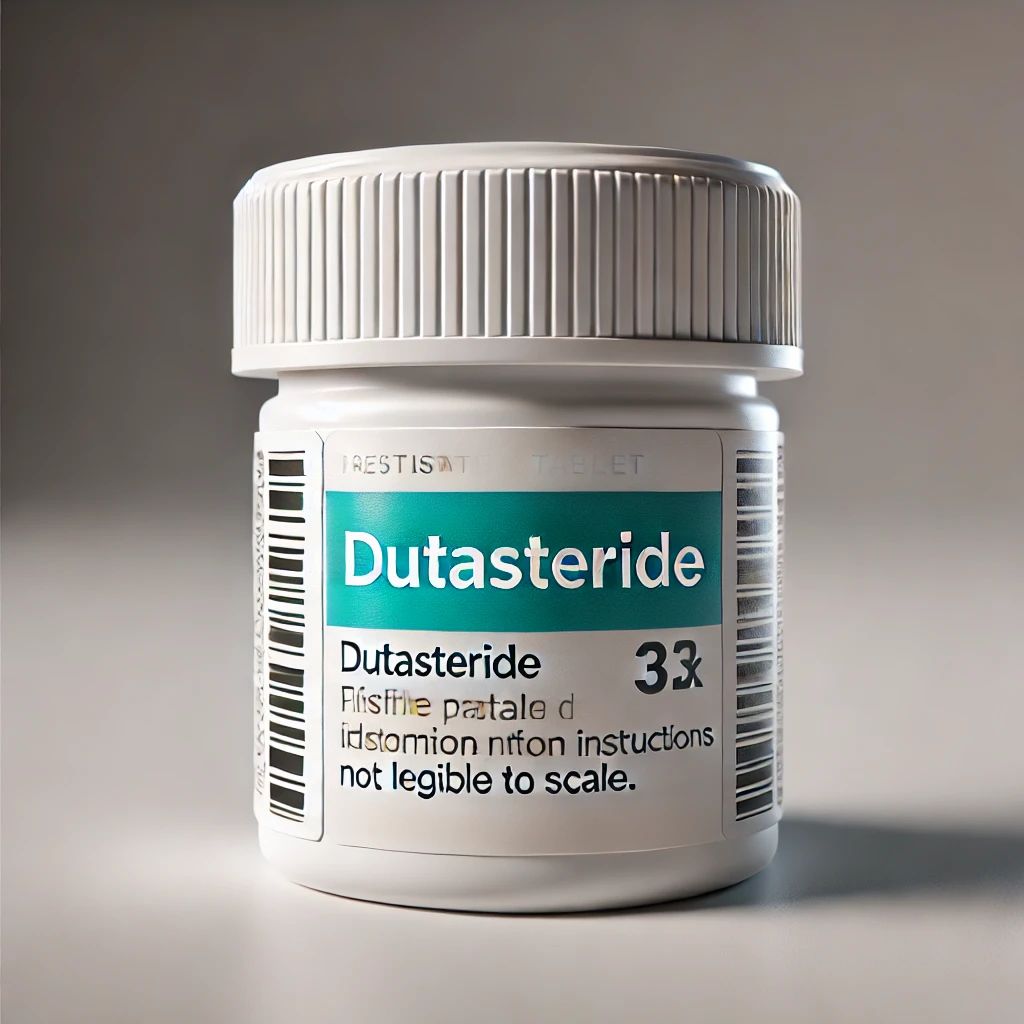
Dutasteride for hair loss

डूटास्टराइड का उपयोग बालों के झड़ने (एंड्रोजेनेटिक एलोपेशिया) के लिए किया जाता है, और इसे लंबे समय तक लिया जा सकता है, बशर्ते इसे सहन किया जा सके और डॉक्टर द्वारा निर्धारित किया गया हो। उपचार की अवधि व्यक्ति की प्रतिक्रिया और डॉक्टर की सलाह पर निर्भर करती है। नीचे कुछ मुख्य बातें दी गई हैं:

1. नियमितता और निगरानी: डूटास्टराइड के प्रभाव को बनाए रखने के लिए इसे लगातार लेना आवश्यक होता है। दवा बंद करने पर बालों का झड़ना फिर से शुरू हो सकता है।

2. परिणाम देखने का समय: बालों की वृद्धि में सुधार दिखने में आमतौर पर 3–6 महीने लगते हैं, और अधिकतम परिणाम 12–18 महीनों में दिखाई देते हैं।

3. दीर्घकालिक उपयोग: कई लोग डूटास्टराइड को वर्षों तक बिना किसी समस्या के लेते हैं। हालांकि, दीर्घकालिक सुरक्षा और साइड इफेक्ट्स की नियमित रूप से डॉक्टर से समीक्षा करानी चाहिए।

4. साइड इफेक्ट्स पर निगरानी: डूटास्टराइड से कुछ लोगों में कामेच्छा में कमी, स्तंभन दोष, या गाइनेकोमास्टिया जैसे साइड इफेक्ट्स हो सकते हैं। यदि साइड इफेक्ट्स दिखाई दें, तो डॉक्टर से संपर्क करें।

5. डूटास्टराइड बंद करना: यदि आप दवा लेना बंद करते हैं, तो जो बाल

Dutasteride is commonly prescribed for hair loss (androgenetic alopecia) as an off-label use. It can be taken long-term, provided it is well-tolerated and prescribed by a healthcare professional. The duration of treatment depends on individual response and the doctor’s recommendations, but here are key points:

1. Consistency and Monitoring: Dutasteride often needs to be taken continuously to maintain its effects. Hair loss may resume if the medication is stopped.

2. Time to See Results: It usually takes 3–6 months to see noticeable improvements in hair growth, with optimal results appearing after 12–18 months.

3. Long-term Use: Many people take dutasteride for years without issues. However, long-term safety and side effects should be regularly reviewed with a doctor.

4. Monitoring Side Effects: Dutasteride can cause side effects such as decreased libido, erectile dysfunction, or gynecomastia in some individuals. If side effects occur, consult your doctor.

5. Stopping Dutasteride: If you stop taking the medication, the hair that was maintained or regrown may be lost over time.

Always consult a healthcare professional before starting or stopping dutasteride, and for ongoing monitoring during its use.

https://maps.app.goo.gl/iKq3JD4RKWBU868J8

Uncategorized

Natural treatment for pigmentation/ चेहरे पर होने वाले झाइयों एवं धब्बों का प्राकृतिक इलाज

चेहरे की पिग्मेंटेशन, जैसे कि डार्क स्पॉट्स या असमान त्वचा टोन, को प्राकृतिक उपायों से ठीक किया जा सकता है। हालांकि, ये उपाय धीरे-धीरे काम करते हैं और पिग्मेंटेशन को पूरी तरह से हटाने में सक्षम नहीं हो सकते। यहां कुछ प्राकृतिक उपाय दिए गए हैं:

1. एलोवेरा
इसमें एलोइन होता है, जो पिग्मेंटेशन को हल्का कर सकता है।
कैसे उपयोग करें: ताजा एलोवेरा जेल को रात में प्रभावित क्षेत्र पर लगाएं और सुबह धो लें।

2. नींबू का रस
विटामिन सी से भरपूर, जो त्वचा को उज्ज्वल करता है।
कैसे उपयोग करें: बराबर मात्रा में नींबू का रस और पानी मिलाकर 10-15 मिनट के लिए लगाएं, फिर धो लें। (संवेदनशील त्वचा के लिए उपयुक्त नहीं और सीधे धूप में जाने से बचें)।

3. हल्दी
इसमें करक्यूमिन होता है, जो एंटी-इंफ्लेमेटरी और एंटीऑक्सीडेंट है, और पिग्मेंटेशन को कम कर सकता है।
कैसे उपयोग करें: हल्दी पाउडर को दूध या दही के साथ मिलाकर पेस्ट बनाएं और 10-15 मिनट के लिए लगाएं, फिर धो लें।

4. आलू
इसमें एंजाइम होते हैं, जो डार्क स्पॉट्स को हल्का कर सकते हैं।
कैसे उपयोग करें: कच्चे आलू का एक टुकड़ा पिग्मेंटेशन पर रगड़ें, 10 मिनट के लिए छोड़ दें, फिर धो लें।

5. सेब का सिरका (ACV)
इसमें एसिटिक एसिड होता है, जो पिग्मेंटेशन को हल्का कर सकता है।
कैसे उपयोग करें: बराबर मात्रा में ACV और पानी मिलाकर 5 मिनट के लिए लगाएं, फिर धो लें।

6. ग्रीन टी
एंटीऑक्सीडेंट से भरपूर, जो मेलेनिन उत्पादन को कम कर सकता है।
कैसे उपयोग करें: गर्म पानी में ग्रीन टी बैग को भिगोकर ठंडा करें और इसे कॉटन बॉल से त्वचा पर लगाएं।

7. खीरा
त्वचा को शांत करता है और डिसकलरेशन को कम कर सकता है।
कैसे उपयोग करें: खीरे का रस या टुकड़े पिग्मेंटेड क्षेत्र पर 15 मिनट के लिए लगाएं, फिर धो लें।

8. चंदन
यह त्वचा को हल्का करने के लिए जाना जाता है।
कैसे उपयोग करें: चंदन पाउडर को गुलाब जल के साथ मिलाकर पेस्ट बनाएं और 10-15 मिनट के लिए लगाएं।

9. पपीता
इसमें पपेन जैसे एंजाइम होते हैं, जो एक्सफोलिएट करते हैं और पिग्मेंटेशन को हल्का करते हैं।
कैसे उपयोग करें: पके हुए पपीते को मैश करके 20 मिनट के लिए मास्क के रूप में लगाएं, फिर धो लें।

10. सूरज से बचाव
पिग्मेंटेशन को रोकने और त्वचा की सुरक्षा के लिए रोजाना सनस्क्रीन का उपयोग करें।

सावधानियां:

हमेशा पहले पैच टेस्ट करें।

नींबू या ACV जैसे कठोर तत्वों से बचें यदि त्वचा संवेदनशील हो।

परिणाम में हफ्तों या महीनों का समय लग सकता है। निरंतरता बनाए रखें।

यदि पिग्मेंटेशन बढ़ता है या बना रहता है, तो किसी त्वचा विशेषज्ञ से सलाह लें।

Facial pigmentation, such as dark spots or uneven skin tone, can be treated with natural remedies. However, these treatments work gradually and may not completely remove pigmentation. Here’s a list of natural remedies you can try:

  1. Aloe Vera

Contains aloin, which may lighten pigmentation.

How to use: Apply fresh aloe vera gel to the affected area before bedtime and rinse off in the morning.

  1. Lemon Juice

Rich in vitamin C, which helps brighten skin.

How to use: Mix equal parts lemon juice and water, apply to the pigmented area for 10-15 minutes, then rinse off. (Do not use if you have sensitive skin or plan to go into the sun immediately after).

  1. Turmeric

Contains curcumin, an anti-inflammatory and antioxidant that may reduce pigmentation.

How to use: Mix turmeric powder with milk or yogurt to form a paste, apply for 10-15 minutes, then rinse off.

  1. Potato

Contains enzymes that may lighten dark spots.

How to use: Rub a slice of raw potato on the pigmented area, leave for 10 minutes, then rinse off.

  1. Apple Cider Vinegar

Contains acetic acid, which may help lighten pigmentation.

How to use: Mix equal parts ACV and water, apply for 5 minutes, then rinse off.

  1. Green Tea

Rich in antioxidants, which may reduce melanin production.

How to use: Steep a green tea bag in hot water, let it cool, and apply it to the skin with a cotton ball.

  1. Cucumber

Soothes skin and may reduce discoloration.

How to use: Apply cucumber juice or slices to the pigmented areas for 15 minutes, then rinse off.

  1. Sandalwood

Known for its skin-lightening properties.

How to use: Make a paste with sandalwood powder and rose water, apply for 10-15 minutes, then rinse off.

  1. Papaya

Contains enzymes like papain that exfoliate and lighten pigmentation.

How to use: Mash ripe papaya and apply it as a mask for 20 minutes, then rinse off.

  1. Sun Protection

Wear sunscreen daily to prevent further pigmentation and protect your skin.

Precautions:

Always do a patch test to check for allergic reactions.

Avoid harsh ingredients like lemon or ACV if you have sensitive skin.

Results may take weeks to months; consistency is key.

If pigmentation persists or worsens, consult a skin specialist for professional advice.

https://g.co/kgs/Dyo1wBi

Uncategorized

Hair loss in thyroid disorders/ थायराइड बीमारियों में बालों का झड़ना

Thyroid disorders, such as hypothyroidism (underactive thyroid) and hyperthyroidism (overactive thyroid), can cause hair loss. Thyroid hormones play a crucial role in regulating the growth cycle of hair, so any imbalance can disrupt this cycle and lead to hair thinning or shedding.

Hair loss in thyroid disorder

How Thyroid Disorders Cause Hair Loss

1. Hormonal Imbalance:

Thyroid hormones (T3 and T4) regulate the growth phase (anagen) of the hair cycle. An imbalance may cause the hair to prematurely enter the resting phase (telogen), leading to shedding.

Prolonged imbalances can cause diffuse hair thinning (generalized hair loss across the scalp).

2. Nutritional Deficiencies:

Thyroid dysfunction can lead to deficiencies in iron, zinc, and other nutrients essential for hair health.

Low levels of ferritin (iron stores) are commonly linked to hair thinning in people with hypothyroidism.

3. Autoimmune Conditions:

Autoimmune thyroid diseases, such as Hashimoto’s thyroiditis (hypothyroidism) or Graves’ disease (hyperthyroidism), may trigger other autoimmune conditions like alopecia areata, which causes patchy hair loss.

Signs of Hair Loss Linked to Thyroid Disorders

Diffuse thinning of hair on the scalp (more noticeable in hypothyroidism).

Dry, brittle, or coarse hair (often with hypothyroidism).

Fine, soft, or thinning hair with excessive shedding (often with hyperthyroidism).

Loss of eyebrows, particularly on the outer edges (hypothyroidism).

Managing Hair Loss from Thyroid Disorders

1. Treat the Underlying Condition:

Work with a healthcare provider to regulate thyroid hormone levels with medications such as levothyroxine (for hypothyroidism) or antithyroid drugs (for hyperthyroidism).

2. Ensure Proper Nutrition:

Incorporate foods rich in iron, zinc, biotin, and vitamins A, D, E, and C.

Consider supplements for deficiencies, but consult a doctor first.

3. Hair Care Tips:

Use gentle, sulfate-free shampoos and avoid harsh treatments.

Minimize heat styling and chemical processing.

4. Address Autoimmune Issues:

If hair loss is due to autoimmune conditions like alopecia areata, treatments like corticosteroids, topical minoxidil, or immunotherapy might help.

5. Patience:

Hair regrowth may take 3–6 months after stabilizing thyroid levels.

If hair loss persists despite managing thyroid levels, consult a dermatologist to rule out other contributing factors like androgenetic alopecia or telogen effluvium.

थायरॉइड विकार और बाल झड़ना

थायरॉइड विकार, जैसे हाइपोथायरॉइडिज्म (थायरॉइड का कम सक्रिय होना) और हाइपरथायरॉइडिज्म (थायरॉइड का अत्यधिक सक्रिय होना), बाल झड़ने का कारण बन सकते हैं। थायरॉइड हार्मोन बालों के विकास चक्र को नियंत्रित करते हैं, इसलिए हार्मोन असंतुलन इस चक्र को बाधित कर सकता है और बालों के पतले होने या झड़ने का कारण बन सकता है।

थायरॉइड विकार से बाल झड़ने के कारण

1. हार्मोन असंतुलन:

थायरॉइड हार्मोन (T3 और T4) बालों के विकास चरण (एनाजेन) को नियंत्रित करते हैं। असंतुलन बालों को जल्दी आराम चरण (टेलोजन) में प्रवेश करने के लिए मजबूर कर सकता है, जिससे बाल झड़ने लगते हैं।

लंबे समय तक हार्मोन असंतुलन से पूरे सिर पर बालों का पतला होना (डिफ्यूज हेयर लॉस) हो सकता है।

2. पोषण की कमी:

थायरॉइड विकार से आयरन, जिंक और अन्य पोषक तत्वों की कमी हो सकती है, जो बालों के स्वास्थ्य के लिए जरूरी हैं।

हाइपोथायरॉइडिज्म में अक्सर लो फेरीटिन (आयरन स्टोर्स) के स्तर के कारण बाल पतले हो सकते हैं।

3. ऑटोइम्यून स्थितियां:

ऑटोइम्यून थायरॉइड रोग, जैसे हाशिमोटो थायरॉइडिटिस (हाइपोथायरॉइडिज्म) या ग्रेव्स डिजीज (हाइपरथायरॉइडिज्म), अन्य ऑटोइम्यून स्थितियों जैसे एलोपेशिया एरियाटा (जिससे पैच में बाल झड़ते हैं) को ट्रिगर कर सकता है।

थायरॉइड विकार से जुड़े बाल झड़ने के लक्षण

सिर के पूरे हिस्से में बालों का पतला होना (अधिकतर हाइपोथायरॉइडिज्म में)।

बालों का सूखा, रूखा या मोटा होना (अधिकतर हाइपोथायरॉइडिज्म में)।

बालों का मुलायम, पतला या अत्यधिक झड़ना (अधिकतर हाइपरथायरॉइडिज्म में)।

भौंहों का झड़ना, खासकर बाहरी किनारे से (हाइपोथायरॉइडिज्म में)।

थायरॉइड विकार से बाल झड़ने का प्रबंधन

1. मूल समस्या का इलाज करें:

चिकित्सक की मदद से थायरॉइड हार्मोन का स्तर सामान्य करें। इसके लिए हाइपोथायरॉइडिज्म में लेवोथायरॉक्सिन और हाइपरथायरॉइडिज्म में एंटीथायरॉइड दवाएं ली जाती हैं।

2. पोषण का ध्यान रखें:

आयरन, जिंक, बायोटिन और विटामिन A, D, E और C से भरपूर खाद्य पदार्थों का सेवन करें।

डॉक्टर से परामर्श करके पोषण पूरक (supplements) का सेवन करें।

3. बालों की देखभाल करें:

हल्के और सल्फेट-फ्री शैम्पू का उपयोग करें और कठोर केमिकल ट्रीटमेंट से बचें।

गर्म उपकरणों (हीट स्टाइलिंग) का कम उपयोग करें।

4. ऑटोइम्यून समस्या का इलाज करें:

यदि बाल झड़ना ऑटोइम्यून स्थिति (जैसे एलोपेशिया एरियाटा) के कारण हो रहा हो, तो डॉक्टर से परामर्श करें। इसके लिए कॉर्टिकोस्टेरॉइड, मिनोक्सिडिल या इम्यूनोथेरेपी जैसे उपचार कारगर हो सकते हैं।

5. धैर्य रखें:

थायरॉइड स्तर सामान्य होने के 3-6 महीने बाद बाल वापस उग सकते हैं।

अगर थायरॉइड स्तर नियंत्रित होने के बाद भी बाल झड़ना जारी रहता है, तो डर्मेटोलॉजिस्ट से संपर्क करें ताकि अन्य कारणों जैसे एंड्रोजेनेटिक एलोपेशिया या टेलोजन एफ्लुवियम को देखा जा सके।

https://maps.app.goo.gl/iKq3JD4RKWBU868J8

Uncategorized

Hair loss in females and its treatment

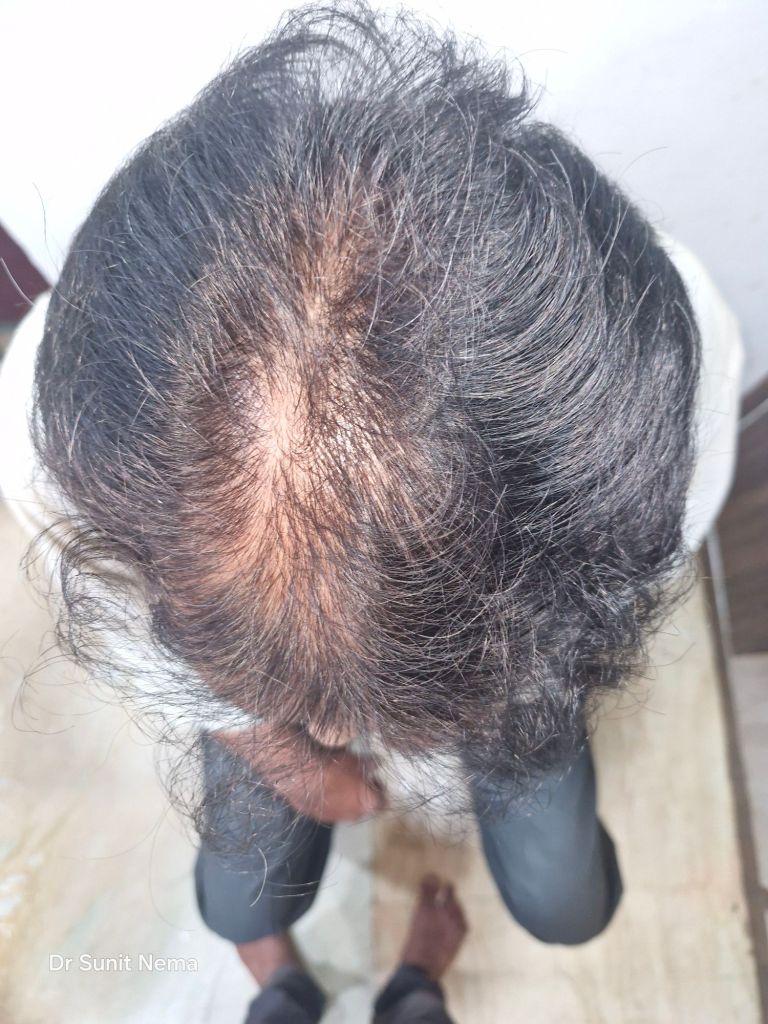
Female pattern baldness, also known as androgenetic alopecia in women, is a common type of hair loss that occurs due to a combination of genetic, hormonal, and environmental factors. It typically presents as a gradual thinning of hair, particularly in specific areas of the scalp. Here’s what you need to know:

Characteristics:

  1. Thinning at the Crown and Top:

Hair loss usually begins at the crown and spreads outward.

The hair part may appear wider as the thinning progresses.

  1. Preserved Hairline:

Unlike male pattern baldness, the frontal hairline is usually maintained.

  1. Overall Hair Density Reduction:

Hair across the scalp becomes thinner but doesn’t result in complete baldness in most cases.

Causes:

  1. Hormonal Changes:

A decrease in estrogen levels, particularly after menopause, can contribute to hair thinning.

Increased sensitivity to androgens (male hormones) may also play a role.

  1. Genetics:

A family history of androgenetic alopecia increases the risk.

  1. Medical Conditions:

Thyroid disorders, iron deficiency, and certain autoimmune diseases may exacerbate hair loss.

  1. Lifestyle Factors:

Stress, poor diet, and excessive hairstyling can worsen the condition.

Treatment Options:

  1. Medications:

Minoxidil (Rogaine): FDA-approved topical treatment for female pattern hair loss.

Oral Anti-Androgens: Such as spironolactone, which reduces androgen levels.

Finasteride: Sometimes prescribed, though less commonly for women.

  1. Lifestyle Changes:

Maintaining a healthy diet with sufficient iron, biotin, and zinc.

Reducing stress through relaxation techniques.

  1. Procedures:

Hair transplants for severe cases.

Platelet-rich plasma (PRP) therapy to stimulate hair growth.

  1. Cosmetic Solutions:

Hair fibers, wigs, or styling techniques to camouflage thinning areas.

If you’re concerned about female pattern baldness, it’s essential to consult a dermatologist or trichologist for an accurate diagnosis and tailored treatment plan. Early intervention often yields better results.

महिलाओं में पैटर्न गंजापन, जिसे एंड्रोजेनेटिक एलोपेसिया भी कहा जाता है, महिलाओं में बाल झड़ने का एक सामान्य प्रकार है। पुरुषों में होने वाले पैटर्न गंजेपन के विपरीत, यह पूरी तरह से गंजेपन का कारण नहीं बनता। इसके बजाय, यह बालों के सामान्य पतलेपन की ओर ले जाता है, विशेष रूप से सिर के ऊपर और मुकुट क्षेत्र में, जबकि आमतौर पर हेयरलाइन सुरक्षित रहती है।

मुख्य विशेषताएं:

1. बालों का पतला होना:

बालों की घनत्व में कमी होती है, खासकर मुकुट और मांग के पास, जिससे मांग चौड़ी दिखने लगती है।

2. धीरे-धीरे प्रगति:

यह समय के साथ धीरे-धीरे विकसित होता है और आमतौर पर रजोनिवृत्ति (मेनोपॉज) के बाद अधिक स्पष्ट होता है, जब हार्मोन में बदलाव होते हैं।

3. फ्रंट हेयरलाइन का सुरक्षित रहना:

पुरुषों के पैटर्न गंजेपन के विपरीत, महिलाओं में सामने की हेयरलाइन आमतौर पर सुरक्षित रहती है।

कारण:

हार्मोनल फैक्टर:

आमतौर पर एंड्रोजेन (पुरुष हार्मोन) के प्रति संवेदनशीलता से संबंधित।

आनुवंशिकता (जनेटिक्स):

परिवार में एंड्रोजेनेटिक एलोपेसिया का इतिहास होने से जोखिम बढ़ जाता है।

बुढ़ापा:

उम्र बढ़ने के साथ बालों की वृद्धि धीमी हो जाती है, जिससे बाल पतले और कमजोर हो जाते हैं।

उपचार के विकल्प:

1. दवाइयां:

मिनॉक्सिडिल (टॉपिकल): महिलाओं में पैटर्न गंजापन के लिए एफडीए-स्वीकृत; बालों की पुनर्वृद्धि को बढ़ावा देता है।

एंटी-एंड्रोजेन: स्पाइरोनोलेक्टोन जैसी दवाइयां एंड्रोजेन प्रभाव को कम कर सकती हैं।

2. बाल प्रत्यारोपण सर्जरी:

गंभीर मामलों में, स्वस्थ बालों के फॉलिकल्स को पतले क्षेत्रों में स्थानांतरित किया जा सकता है।

3. प्लेटलेट-रिच प्लाज्मा (PRP):

आपके खुद के रक्त से प्लाज्मा का इंजेक्शन बालों की वृद्धि को प्रोत्साहित कर सकता है।

4. जीवनशैली में बदलाव:

प्रोटीन, आयरन, और विटामिन (जैसे बायोटिन और विटामिन डी) से भरपूर संतुलित आहार बालों को स्वस्थ बनाए रखने में मदद करता है।

5. कैमोफ्लाज तकनीक:

हेयर फाइबर, विग या हेयरपीस पतले क्षेत्रों को ढकने में मदद कर सकते हैं।

यदि आप महिलाओं में पैटर्न गंजापन को लेकर चिंतित हैं, तो एक त्वचा विशेषज्ञ (डर्मेटोलॉजिस्ट) या बाल विशेषज्ञ (ट्राइकोलॉजिस्ट) से परामर्श करें। वे समस्या की पहचान करने और उचित उपचार सुझाने में मदद कर सकते हैं।

https://maps.app.goo.gl/iKq3JD4RKWBU868J8

Uncategorized

Hairy Nevus

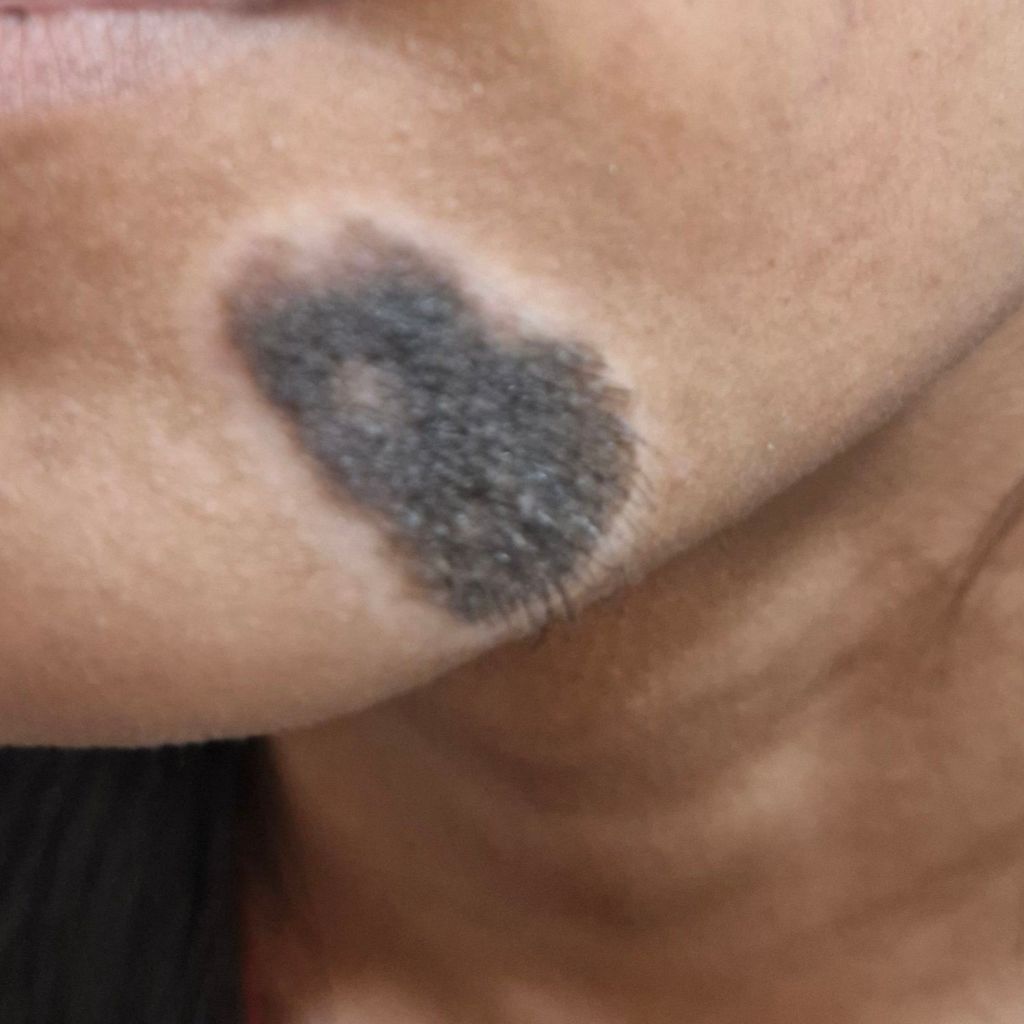
A hairy nevus (also known as a congenital melanocytic nevus) is a type of mole or birthmark that is often present at birth or develops shortly thereafter. It may vary in size, color, and texture and can sometimes grow coarse, dark hair. These nevi are caused by an overgrowth of melanocytes (pigment-producing cells) in the skin.

Types of Hairy Nevus

1. Small (<1.5 cm): Minimal risk of complications.

2. Medium (1.5–20 cm): Slightly increased risk of complications.

3. Giant (>20 cm): Increased risk of melanoma and potential cosmetic or functional concerns.

Risks and Concerns

Cosmetic concerns due to its appearance.

Malignant transformation: Larger nevi, particularly giant hairy nevi, have a higher risk (up to 10%) of developing into melanoma (a type of skin cancer).

Neurocutaneous melanosis: Rarely, large nevi may be associated with melanocytes in the brain and spinal cord, causing neurological symptoms.

Treatment Options

Treatment depends on the size, location, associated symptoms, and cosmetic concerns.

1. Observation

For small nevi with no signs of malignant changes.

Regular monitoring by a cosmetic surgeon in Jabalpur, such as Dr. Sunit Nema, is recommended.

2. Surgical Excision

Complete removal of the nevus and underlying skin, typically for medium or giant nevi.

Methods include:

Simple excision for small nevi.

Serial excision for medium nevi (done in stages).

Skin grafting or tissue expansion for giant nevi.

This procedure can be performed by cosmetic surgeons in Jabalpur, such as Dr. Sunit Nema.

3. Laser Therapy

Used for cosmetic improvement by reducing pigmentation or hair growth.

May not completely remove the nevus or eliminate the risk of melanoma.

4. Dermabrasion or Chemical Peels

Can lighten the appearance of small nevi but may not remove deeper pigment or hair.

5. Topical Treatments

Generally ineffective for removing the nevus but may help with pigmentation or hair reduction.

When to See a Doctor

Changes in size, color, or texture.

Development of pain, itching, bleeding, or irregular borders.

Concerns about cosmetic appearance or emotional impact.

If you’re in Jabalpur, consult a cosmetic surgeon like Dr. Sunit Nema for evaluation and to determine the best treatment plan. For large or giant hairy nevi, a personalized and multidisciplinary approach may be necessary.

https://maps.app.goo.gl/iKq3JD4RKWBU868J8

Uncategorized

Cosmetic Surgery of Lips

If you’re considering cosmetic lip surgery in Jabalpur, Dr. Sunit Nema is a reputable specialist in this field. With over 15 years of experience, Dr. Nema is a senior Plastic & Cosmetic Surgeon renowned for his expertise in various cosmetic procedures, including lip augmentation and lip reduction.

Dr. Nema completed his MCh in Plastic and Reconstructive Surgery from the prestigious KEM Hospital & GS Medical College in Mumbai. He has extensive experience in microvascular surgery and has been a visiting cosmetic surgeon to the Republic of Guyana, South America.

His clinic, Dr. Nema Hair, Laser & Cosmetic Surgery Clinic, is located at:

Behind Sunil Hosiery Shop
Krishna Hotel Road, near Bhanwartal Garden
Napier Town, Jabalpur

For appointments, you can contact the clinic at +91 761 492 1303 or via email at sunitnema@gmail.com.

Dr. Nema’s clinic offers a range of cosmetic procedures, including:

Lip Augmentation: Enhancing lip volume and shape using fillers or fat grafting.

Lip Reduction: Reducing the size of the lips for a more balanced appearance.

Lip Lift: Elevating the position of the lips to achieve a more youthful look.

Before undergoing any procedure, it’s essential to have a thorough consultation to discuss your goals, understand the potential risks, and determine the most suitable approach for your needs.

Dr. Nema’s extensive experience and commitment to patient care make him a trusted choice for individuals seeking cosmetic lip surgery in Jabalpur.

https://maps.app.goo.gl/iKq3JD4RKWBU868J8