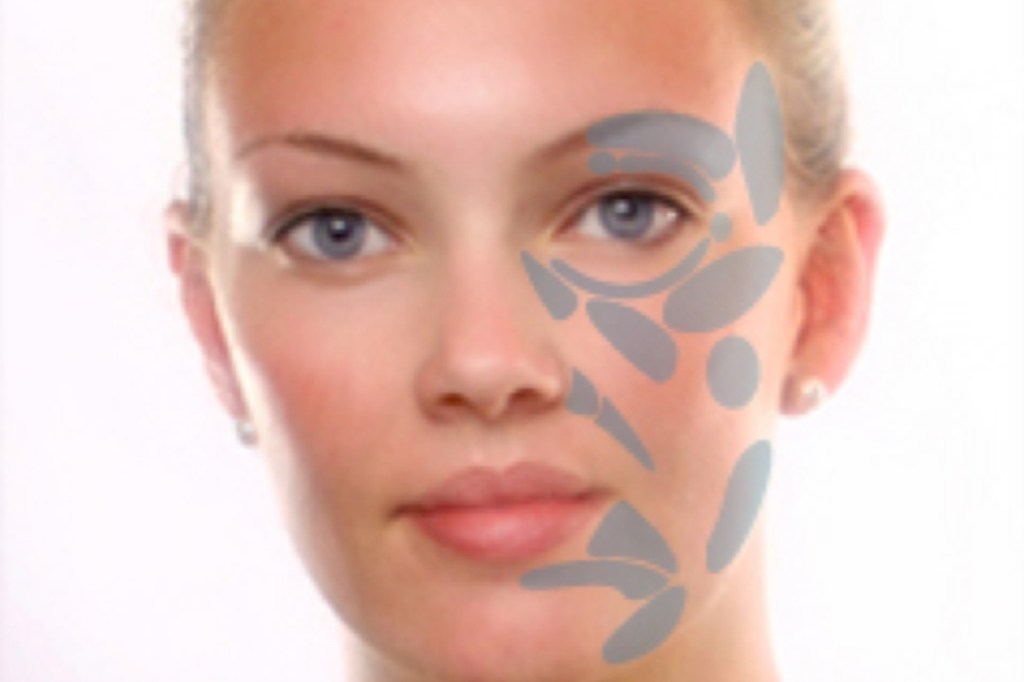
Fat grafting, also known as fat transfer or lipofilling, is a cosmetic procedure that involves transferring fat from one part of the body to another. The purpose is typically to add volume, contour specific areas, or enhance features. Here’s a general overview of the process:
- Harvesting Fat: The surgeon removes excess fat from donor areas, often through liposuction. Common donor sites include the abdomen, thighs, or buttocks.
- Processing: The harvested fat is processed to purify it and prepare it for injection.
- Injection: The processed fat is injected into the targeted area, such as the face, breasts, or buttocks. This is done to augment or reshape the tissues.
Fat grafting is commonly used in facial rejuvenation, breast augmentation, and buttock enhancement. It provides a natural-looking result because the material used is the patient’s own fat. However, it’s important to note that not all transferred fat survives, and multiple sessions may be needed for optimal results.
As with any cosmetic procedure, it’s crucial to consult with a qualified and experienced plastic surgeon to discuss individual goals, potential risks, and expectations.
 Dr Nema Hair, Laser & Cosmetic Surgery Clinic