Uncategorized

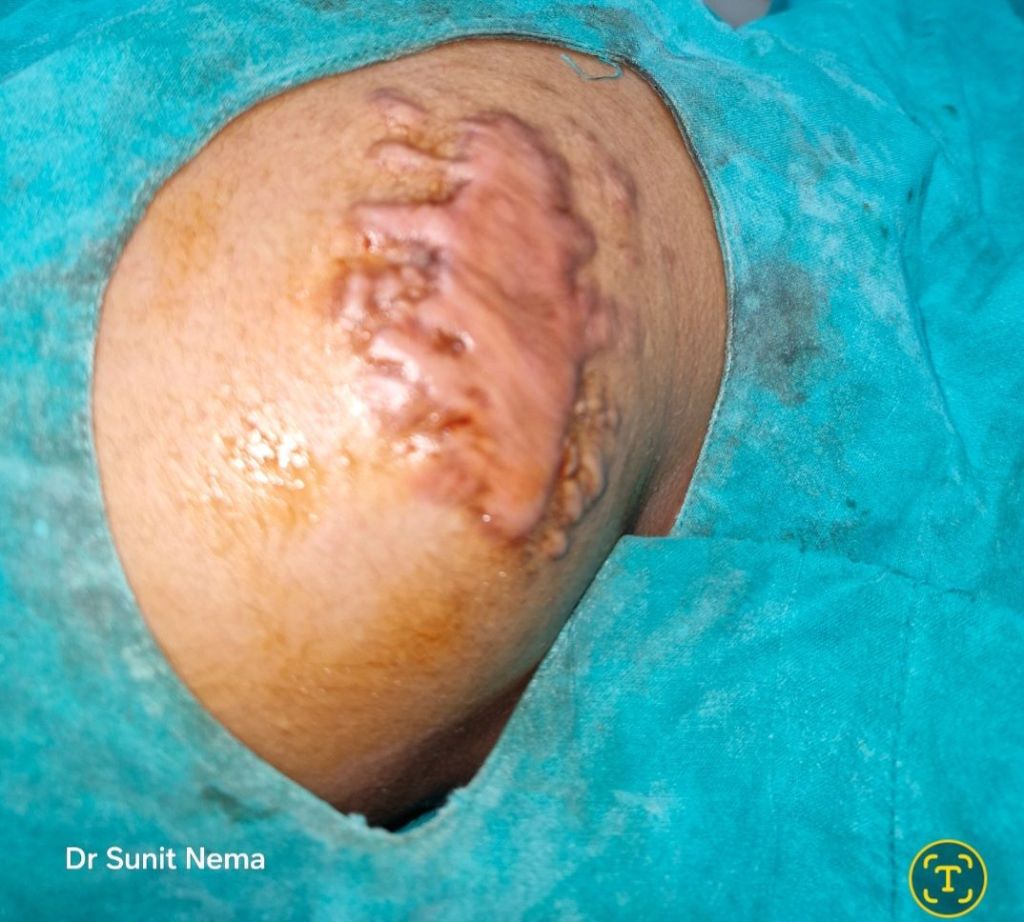
Shoulder keloid / कंधे पर होने वाले किलोइड

https://maps.app.goo.gl/5ZFxrpK421Dr5kKk6

शोल्डर कीलोइड

शोल्डर कीलोइड एक उभरा हुआ, मोटा और अक्सर खुजलीदार या दर्दनाक दाग होता है, जो त्वचा में चोट, सर्जरी, जलने, मुंहासे या पियर्सिंग के बाद अत्यधिक कोलेजन उत्पादन के कारण बनता है। चूंकि कंधे का क्षेत्र बहुत अधिक हिलता-डुलता है, इसलिए यहां कीलोइड बनने की संभावना अधिक होती है।

इलाज के विकल्प

1. बिना सर्जरी वाले इलाज:

सिलिकॉन जेल शीट्स/क्रीम – समय के साथ कीलोइड को नरम और सपाट करने में मदद करती हैं।

प्रेशर थेरेपी – कंप्रेशन बैंडेज का उपयोग आकार कम करने के लिए किया जा सकता है।


2. मेडिकल ट्रीटमेंट:

स्टेरॉयड इंजेक्शन (कॉर्टिकोस्टेरॉयड्स) – सूजन कम करके कीलोइड को सपाट करते हैं।

क्रायोथेरेपी – लिक्विड नाइट्रोजन से कीलोइड को जमाकर छोटा किया जाता है (छोटे कीलोइड के लिए अधिक प्रभावी)।

लेजर थेरेपी – लालिमा और मोटाई कम करने में मदद कर सकती है, लेकिन पूरी तरह से हटाने की गारंटी नहीं होती।

रेडिएशन थेरेपी – सर्जरी के बाद पुन: बढ़ने से रोकने के लिए इस्तेमाल की जाती है।


3. सर्जिकल उपचार (एक्सिशन)

आमतौर पर स्टेरॉयड या रेडिएशन थेरेपी के साथ किया जाता है ताकि दोबारा बनने से रोका जा सके।

यदि उचित प्रबंधन न किया जाए तो सर्जरी के बाद कीलोइड फिर से बनने की संभावना अधिक होती है।


घरेलू देखभाल और बचाव:

कंधे के क्षेत्र को अनावश्यक चोट या घर्षण से बचाएं।

सूरज की किरणों से बचने के लिए सनस्क्रीन का इस्तेमाल करें।

मॉइस्चराइजिंग तेल (जैसे विटामिन ई या प्याज के अर्क वाली क्रीम) से मसाज करने पर बनावट में सुधार हो सकता है।


क्या आप किसी विशेष प्रोडक्ट की सिफारिश या त्वचा विशेषज्ञ की राय चाहते हैं?

A shoulder keloid is a raised, thick, and often itchy or painful scar that forms due to excessive collagen production after skin trauma, surgery, burns, acne, or piercings. Since the shoulder is prone to movement and tension, keloids in this area can be more prominent.

Treatment Options

  1. Non-invasive treatments:
    • Silicone gel sheets/creams – Helps flatten and soften keloids over time.
    • Pressure therapy – Compression bandages may help reduce size.
  2. Medical treatments:
    • Steroid injections (Corticosteroids) – Reduce inflammation and flatten the keloid.
    • Cryotherapy – Freezing the keloid with liquid nitrogen can shrink it (better for smaller keloids).
    • Laser therapy – Can reduce redness and thickness but may not fully remove it.
    • Radiation therapy – Sometimes used after surgical removal to prevent regrowth.
  3. Surgical Removal (Excision)
    • Usually combined with steroids or radiation to prevent recurrence.
    • Keloids have a high recurrence rate after surgery if not managed properly.

Home Care & Prevention

  • Avoid unnecessary trauma to the shoulder area.
  • Use sunscreen to prevent darkening of the keloid.
  • Massage with moisturizing oils (e.g., vitamin E or onion extract creams) may help improve texture.

Would you like recommendations on specific products or a dermatologist’s opinion?
Uncategorized

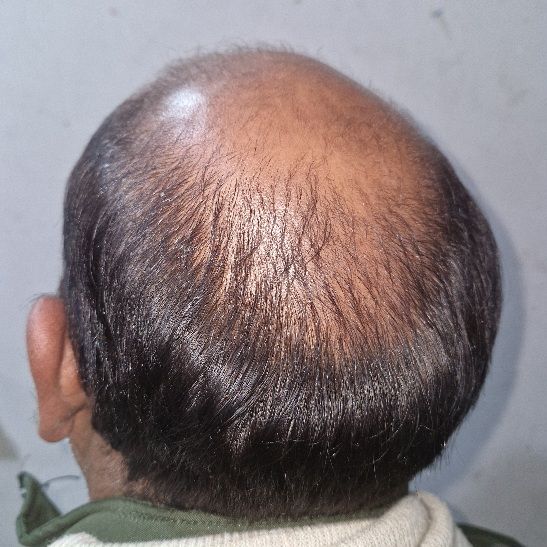
What are my options for high grade baldness? हाई ग्रेड गंजेपन के इलाज के क्या विकल्प हैं?

उच्च ग्रेड गंजापन (हाई-ग्रेड बाल्डनेस) के लिए विकल्प:

1. चिकित्सा उपचार (गैर-सर्जिकल विकल्प)

  • मिनॉक्सिडिल (Rogaine) – यह एक टॉपिकल सॉल्यूशन है जो बालों की जड़ों को सक्रिय करता है और बाल झड़ने की गति को धीमा करता है।
  • फिनास्टेराइड (Propecia) – एक ओरल दवा जो DHT को ब्लॉक कर बालों का झड़ना कम करती है, लेकिन यह शुरुआती या मध्यम गंजेपन में अधिक प्रभावी होती है।
  • डुटास्टेराइड – फिनास्टेराइड का अधिक प्रभावी संस्करण, लेकिन इसके साइड इफेक्ट्स भी अधिक हो सकते हैं।
  • लो-लेवल लेजर थेरेपी (LLLT) – लेजर कैप जैसी डिवाइसेज़ मदद कर सकती हैं, लेकिन परिणाम व्यक्ति पर निर्भर करते हैं।

2. हेयर ट्रांसप्लांट (सर्जिकल विकल्प) – स्थायी समाधान

  • हेयर ट्रांसप्लांट इन जबलपुर – यदि आप स्थायी समाधान चाहते हैं, तो जबलपुर में अनुभवी हेयर ट्रांसप्लांट विशेषज्ञ से परामर्श करें।
  • FUT (फॉलिक्युलर यूनिट ट्रांसप्लांटेशन) – सिर के पिछले हिस्से से बालों की एक पट्टी निकालकर गंजे क्षेत्रों में प्रत्यारोपित की जाती है। इसमें हल्का निशान रह सकता है।
  • FUE (फॉलिक्युलर यूनिट एक्सट्रैक्शन) – इसमें बालों को एक-एक करके निकाला जाता है और गंजे हिस्से में प्रत्यारोपित किया जाता है। यह अधिक आधुनिक और कम दर्द वाला तरीका है।
  • बॉडी हेयर ट्रांसप्लांट (BHT) – यदि सिर के डोनर एरिया में पर्याप्त बाल नहीं हैं, तो दाढ़ी या छाती से बाल लेकर ट्रांसप्लांट किया जा सकता है।

3. स्कैल्प माइक्रोपिगमेंटेशन (SMP)

  • यह एक नॉन-सर्जिकल प्रक्रिया है जिसमें सिर पर छोटे-छोटे डॉट्स बनाकर घने बालों का आभास दिया जाता है।

4. हेयर सिस्टम (विग और हेयरपीस)

  • उच्च गुणवत्ता वाले हेयरपीस या विग एक अस्थायी लेकिन प्रभावी समाधान हो सकते हैं।

5. PRP थेरेपी और भविष्य के उपचार

  • PRP (प्लेटलेट-रिच प्लाज़्मा) थेरेपी – यह बालों को मोटा करने में मदद कर सकती है लेकिन पूरी तरह गंजे क्षेत्रों में कम प्रभावी होती है।
  • स्टेम सेल थेरेपी और हेयर क्लोनिंग – ये अभी प्रयोगात्मक चरण में हैं और भविष्य में बेहतर समाधान बन सकते हैं।

यदि आप हेयर ट्रांसप्लांट इन जबलपुर की तलाश कर रहे हैं, तो अनुभवी डॉक्टर से परामर्श लेना सबसे अच्छा होगा।

For high-grade baldness (typically Norwood 5-7 in male pattern baldness or Ludwig scale in females), your options depend on how aggressive you want to be with treatment. Here are the main approaches:

1. Medical Treatments (Non-Surgical)

  • Minoxidil (Rogaine) – A topical solution that stimulates hair follicles and slows hair loss. Works best in early to moderate stages but may have some effect even in advanced baldness.
  • Finasteride (Propecia) – An oral DHT-blocker that slows down hair loss but is more effective in earlier stages.
  • Dutasteride – A stronger version of finasteride, but with more potential side effects.
  • Low-Level Laser Therapy (LLLT) – Devices like laser caps may help, but evidence is mixed.

2. Hair Transplant Surgery (Best for High-Grade Baldness)

  • FUT (Follicular Unit Transplantation) – A strip of hair is taken from the back of the scalp and transplanted to bald areas. Leaves a linear scar.
  • FUE (Follicular Unit Extraction) – Individual hair follicles are extracted and implanted, leaving minimal scarring but requiring a good donor area.
  • Body Hair Transplant (BHT) – If the scalp donor area is weak, hair from the beard or chest can be used.

3. Scalp Micropigmentation (SMP)

  • A non-surgical option where tiny dots of pigment are tattooed onto the scalp to create the illusion of a shaved head.

4. Hair Systems (Wigs & Hairpieces)

  • High-quality custom hairpieces can look very natural if maintained well.

5. Lifestyle & Experimental Treatments

  • PRP (Platelet-Rich Plasma) Therapy – May help if some hair remains, but not effective in completely bald areas.
  • Stem Cell Therapy & Hair Cloning – Still in experimental stages.

If you’re considering a hair transplant, it’s crucial to consult a top surgeon, as success depends on donor area quality and the surgeon’s skill. Would you prefer a non-surgical or surgical approach?

https://maps.app.goo.gl/5ZFxrpK421Dr5kKk6

Uncategorized

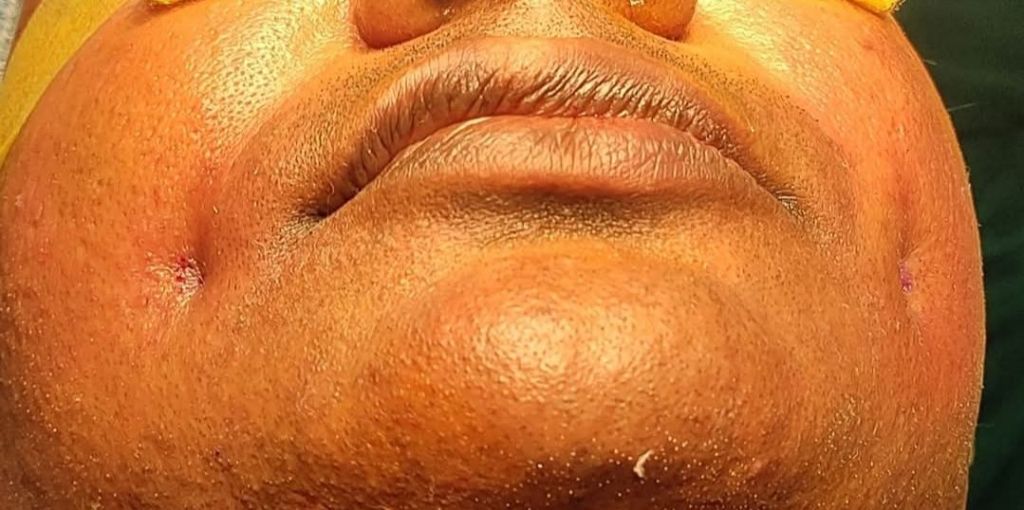
Dimple creation/ Dimpleplasty

Aesthetic dimple creation, also known as dimpleplasty, is a cosmetic surgical procedure designed to create dimples on the cheeks or chin. Dimples are considered attractive in many cultures and can enhance facial expressions.

Procedure

  1. Consultation – A plastic surgeon assesses facial structure and discusses dimple placement.
  2. Local Anesthesia – The area is numbed to minimize discomfort.
  3. Incision Inside the Mouth – A small incision is made inside the cheek (no external scars).
  4. Suture Placement – A dissolvable suture is used to create a small depression in the skin by pulling the inner cheek muscle towards the skin.
  5. Healing & Results – Initially, the dimple is visible even at rest, but after a few weeks, it appears only when smiling.

Recovery & Aftercare

  • Swelling & Mild Discomfort – Lasts for a few days.
  • Soft Diet – Recommended for the first few days.
  • Avoid Strenuous Activities – Until swelling subsides.
  • Results Settle – In about 1–3 months.

Risks & Considerations

  • Asymmetry or unnatural appearance
  • Infection or scarring (rare)
  • Possibility of dimples fading over time

Dimpleplasty is a relatively quick and minimally invasive procedure, but it’s important to choose an experienced surgeon to ensure natural-looking results. Would you like more details on cost, risks, or finding a specialist?

एस्थेटिक डिंपल सर्जरी (डिम्पलप्लास्टी) क्या है?

डिम्पलप्लास्टी एक कॉस्मेटिक सर्जरी है, जिसमें गालों या ठोड़ी पर प्राकृतिक दिखने वाले डिंपल (गड्ढे) बनाए जाते हैं। कई संस्कृतियों में डिंपल को आकर्षक माना जाता है और यह चेहरे की सुंदरता को बढ़ा सकते हैं।


प्रक्रिया (सर्जरी कैसे की जाती है?)

  1. परामर्श (Consultation): पहले सर्जन आपकी चेहरे की संरचना की जांच करते हैं और डिंपल के स्थान पर चर्चा करते हैं।
  2. स्थानीय एनेस्थीसिया (Local Anesthesia): सर्जरी के दौरान दर्द महसूस न हो, इसके लिए क्षेत्र को सुन्न किया जाता है।
  3. मुंह के अंदर छोटा चीरा (Incision Inside the Mouth): गाल के अंदर एक छोटा चीरा लगाया जाता है ताकि बाहर कोई निशान न रहे।
  4. टांके लगाए जाते हैं (Suture Placement): एक घुलनशील (dissolvable) टांका लगाया जाता है, जिससे त्वचा और अंदरूनी मांसपेशी को जोड़ा जाता है और डिंपल बनता है।
  5. हीलिंग और परिणाम (Healing & Results): शुरुआत में डिंपल बिना मुस्कुराए भी दिख सकता है, लेकिन कुछ हफ्तों में यह केवल मुस्कुराने पर ही नजर आएगा।

रिकवरी और देखभाल (Recovery & Aftercare)

  • सूजन और हल्का दर्द: कुछ दिनों तक हल्की सूजन और दर्द हो सकता है।
  • नरम आहार: शुरुआती दिनों में हल्का और नरम भोजन खाने की सलाह दी जाती है।
  • व्यायाम से बचें: जब तक सूजन कम न हो जाए, तब तक भारी गतिविधियों से बचें।
  • अंतिम परिणाम: 1 से 3 महीनों में पूरी तरह से सेट हो जाते हैं।

जोखिम और सावधानियां (Risks & Considerations)

  • असमान या अननेचुरल लुक: दोनों तरफ के डिंपल समान न दिखें, तो असंतोषजनक परिणाम हो सकते हैं।
  • संक्रमण या सूजन: सर्जरी के बाद सही देखभाल न करने पर संक्रमण हो सकता है।
  • डिंपल फीका पड़ सकता है: कुछ मामलों में समय के साथ डिंपल हल्का हो सकता है।

डिम्पलप्लास्टी एक तेज और कम जटिल प्रक्रिया है, लेकिन प्राकृतिक और संतोषजनक परिणामों के लिए एक अनुभवी सर्जन का चयन करना जरूरी है।

https://posts.gle/ZLaeE1rXFhBfr1aV6?g_st=ac

Uncategorized

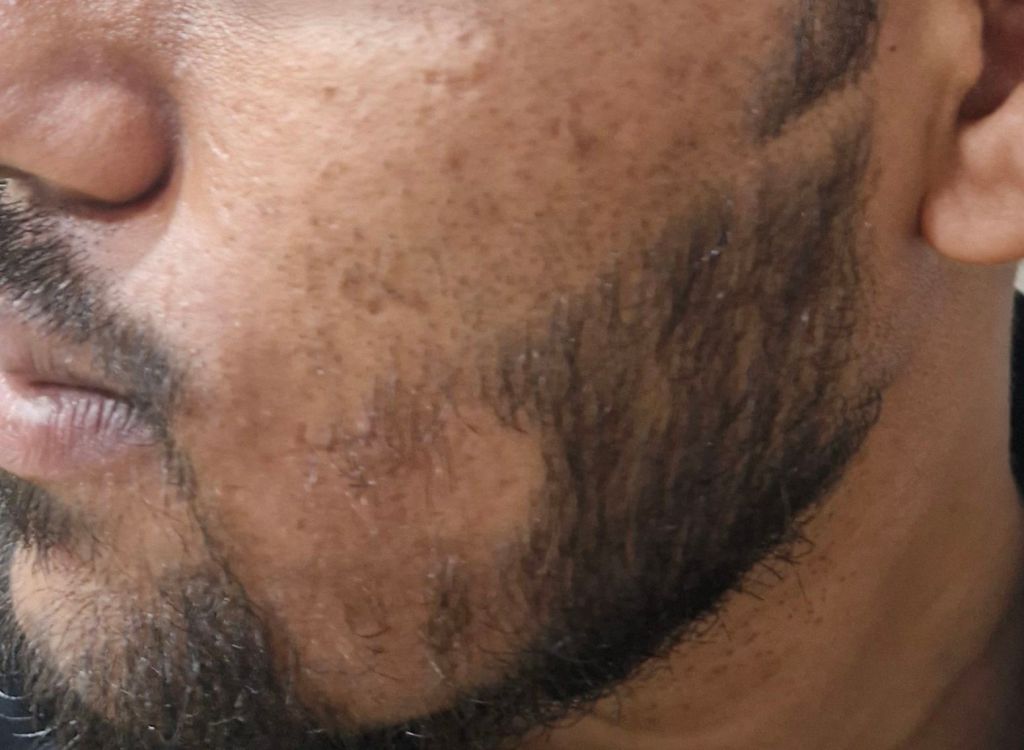
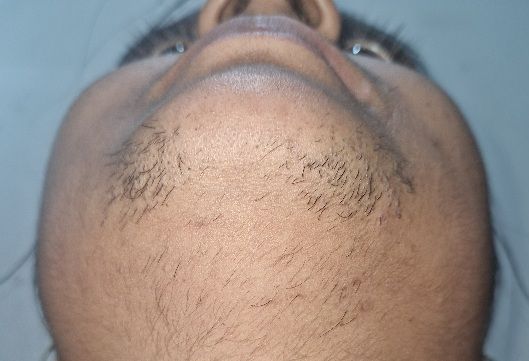
Beard alopecia areata/ दाढ़ी के बालों का एलोपेसिया एरिएटा

दाढ़ी में एलोपेसिया एरीटा एक ऑटोइम्यून स्थिति है जिसमें पैचदार बालों का झड़ना होता है। यह तब होता है जब प्रतिरक्षा प्रणाली गलती से बालों के रोम (हेयर फॉलिकल्स) पर हमला करती है, जिससे बाल झड़ने लगते हैं।

कारण:

  1. ऑटोइम्यून प्रतिक्रिया – प्रतिरक्षा प्रणाली बालों के रोम को नुकसान पहुँचाती है।
  2. आनुवंशिकी (Genetics) – परिवार में एलोपेसिया या अन्य ऑटोइम्यून बीमारियों का इतिहास।
  3. तनाव (Stress) – शारीरिक या मानसिक तनाव इसे ट्रिगर कर सकता है।
  4. हार्मोनल असंतुलन – टेस्टोस्टेरोन और डीएचटी (DHT) का असंतुलन।
  5. स्वास्थ्य समस्याएँ – थायरॉइड, मधुमेह, या विटामिन की कमी।

लक्षण:

  • दाढ़ी में गोल या अंडाकार गंजे पैच।
  • प्रभावित स्थान की त्वचा चिकनी होती है।
  • कभी-कभी हल्की लाली या जलन।
  • कोई स्थायी दाग या नुकसान नहीं।
  • बाल दोबारा आ सकते हैं, लेकिन अनियमित रूप से।

इलाज के विकल्प:

  1. टॉपिकल (सतही उपचार)
    • मिनोक्सिडिल (Rogaine) – बालों की वृद्धि को उत्तेजित करने के लिए।
    • कॉर्टिकोस्टेरॉइड क्रीम या इंजेक्शन – सूजन को कम करने के लिए।
    • डिफेंसिप्रोन (DPCP) या एंथ्रालिन – प्रतिरक्षा प्रणाली को संतुलित करने के लिए।
  2. मौखिक दवाएं (Oral Medications)
    • गंभीर मामलों में कॉर्टिकोस्टेरॉइड्स
    • JAK इनहिबिटर्स – प्रतिरक्षा प्रतिक्रिया को रोकने के लिए।
  3. जीवनशैली में बदलाव
    • तनाव कम करना (ध्यान, व्यायाम, अच्छी नींद)।
    • पोषक तत्वों से भरपूर आहार (बायोटिन, आयरन, जिंक)।
  4. प्राकृतिक उपचार
    • रोज़मेरी या कैस्टर ऑयल बालों की ग्रोथ के लिए।
    • प्याज का रस – कुछ लोगों के लिए प्रभावी पाया गया है।
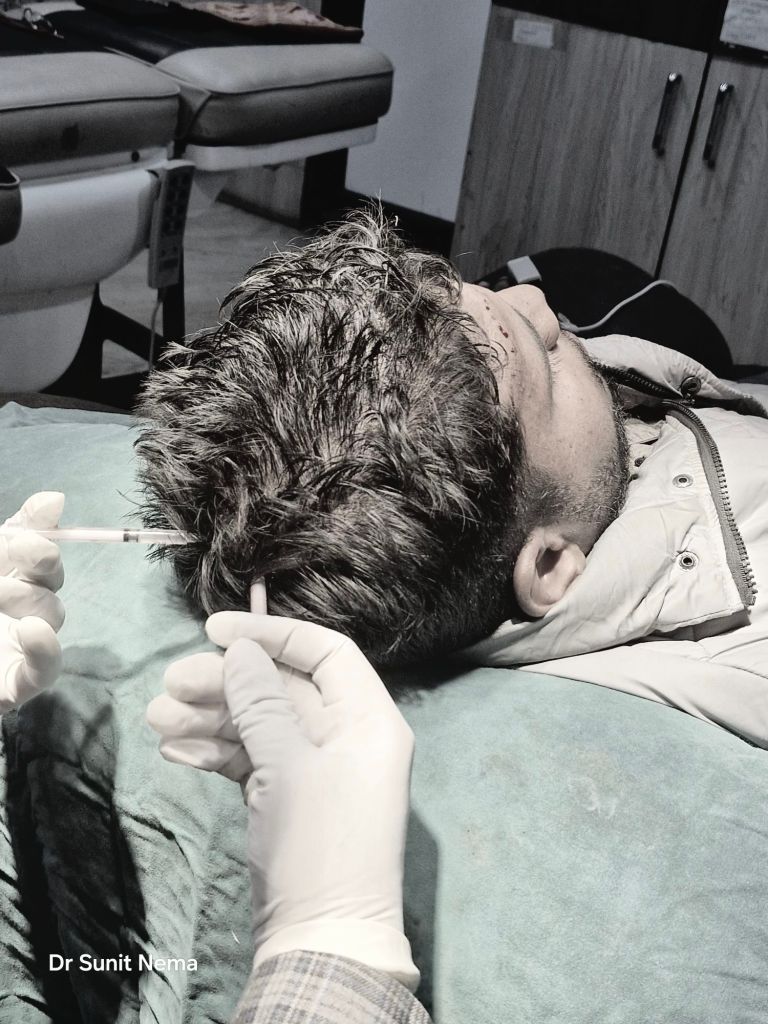
  5. पीआरपी थेरेपी (PRP Therapy – Platelet-Rich Plasma)
    • रोगी के स्वयं के खून से प्लेटलेट निकालकर प्रभावित हिस्से में इंजेक्ट किए जाते हैं ताकि बालों की ग्रोथ को उत्तेजित किया जा सके।

भविष्य की संभावनाएँ (Prognosis):

  • बाल दोबारा उग सकते हैं, लेकिन गिरने और उगने का चक्र अनिश्चित हो सकता है।
  • शुरुआती इलाज से रिकवरी के चांस बढ़ जाते हैं।
  • कुछ मामलों में, यह समस्या अपने आप ठीक हो जाती है।

यदि आपको विशेष उपचार की सिफारिश चाहिए, तो बताएं!

Beard Alopecia Areata is a form of alopecia areata that specifically affects the beard area, leading to patchy hair loss. It is an autoimmune condition where the immune system mistakenly attacks the hair follicles, causing hair to fall out in round or oval patches.

Causes:

  1. Autoimmune reaction – The immune system attacks hair follicles.
  2. Genetics – Family history of alopecia or autoimmune conditions.
  3. Stress – Emotional or physical stress can trigger or worsen symptoms.
  4. Hormonal imbalances – Changes in testosterone and DHT may play a role.
  5. Underlying health conditions – Thyroid disorders, diabetes, or vitamin deficiencies.

Symptoms:

  • Small, round, bald patches in the beard area.
  • Smooth skin where hair loss occurs.
  • Sometimes mild redness or irritation.
  • No scarring or permanent damage to the skin.
  • Hair regrowth may occur but can be unpredictable.

Treatment Options:

  1. Topical Treatments
    • Minoxidil (Rogaine) to stimulate hair growth.
    • Corticosteroid creams or injections to reduce inflammation.
    • Diphencyprone (DPCP) or anthralin for immune modulation.
  2. Oral Medications
    • Corticosteroids (for severe cases).
    • JAK inhibitors (to block immune response).
  3. Lifestyle Changes
    • Reducing stress (meditation, exercise, proper sleep).
    • A balanced diet rich in vitamins and minerals (biotin, iron, zinc).
  4. Natural Remedies
    • Essential oils like rosemary or castor oil.
    • Onion juice (anecdotal evidence of promoting regrowth).
  5. PRP Therapy (Platelet-Rich Plasma)
    • Involves injecting platelets from your own blood into the affected areas to stimulate regrowth.

Prognosis:

  • Hair regrowth is possible, but cycles of loss and regrowth may occur.
  • Early treatment increases the chances of hair returning.
  • In some cases, the condition resolves on its own.

Would you like recommendations for specific treatments based on your case?

https://maps.app.goo.gl/bmXu473WhM7Cgq9r7

Uncategorized

What is 3 in 1 laser for unwanted hair reduction? अवांछित बालों के लिए 3 इन वन लेजर क्या है?

A 3-in-1 laser for hair removal refers to a device that combines three different wavelengths in a single machine to target a broader range of hair and skin types. The most common combination includes:

1. Alexandrite Laser (755 nm) – Best for Light Skin

  • Highly effective for fine and light-colored hair.
  • Works best on fair to light brown skin (Fitzpatrick I-III).
  • Faster treatment for large areas.

2. Diode Laser (810 nm) – Best for Medium Skin

  • Suitable for a wide range of skin tones (Fitzpatrick I-IV).
  • Penetrates deeper, making it effective for thicker, coarser hair.
  • Often used for both facial and body hair removal.

3. Nd:YAG Laser (1064 nm) – Best for Dark Skin

  • Safest option for darker skin tones (Fitzpatrick IV-VI).
  • Reduces the risk of burns or pigmentation issues.
  • Works best for coarse and deeply rooted hair.

Benefits of 3-in-1 Laser Hair Removal

✅ Works on all skin tones (light to dark).
✅ Targets different hair thicknesses (fine, medium, coarse).
✅ Reduces risk of burns or pigmentation issues for darker skin.
✅ More customized treatments based on individual needs.

Would you like recommendations for the best 3-in-1 laser machines or treatment tips?

3-इन-1 लेजर हेयर रिमूवल एक ऐसी तकनीक है जो तीन अलग-अलग वेवलेंथ को मिलाकर सभी त्वचा टोन और बालों के प्रकारों का उपचार करती है। इसमें शामिल हैं:

1. एलेक्जेंड्राइट लेजर (755 nm) – हल्की त्वचा के लिए सर्वश्रेष्ठ

  • यह पतले और हल्के रंग के बालों के लिए प्रभावी है।
  • गोरी से हल्की भूरी त्वचा (Fitzpatrick I-III) के लिए सबसे अच्छा काम करता है।
  • बड़े क्षेत्रों के लिए तेज़ उपचार प्रदान करता है।

2. डायोड लेजर (810 nm) – मध्यम त्वचा के लिए सर्वश्रेष्ठ

  • यह सभी प्रकार की त्वचा (Fitzpatrick I-IV) के लिए उपयुक्त है।
  • गहराई तक प्रवेश करता है, जिससे यह मोटे और घने बालों के लिए प्रभावी बनता है।
  • चेहरे और शरीर दोनों के बालों को हटाने के लिए इस्तेमाल किया जाता है।

3. Nd:YAG लेजर (1064 nm) – गहरी रंगत वाली त्वचा के लिए सर्वश्रेष्ठ

  • यह गहरे रंग की त्वचा (Fitzpatrick IV-VI) के लिए सबसे सुरक्षित विकल्प है।
  • जलन और पिग्मेंटेशन की समस्या को कम करता है।
  • मोटे और गहराई से जमे हुए बालों के लिए प्रभावी है।

3-इन-1 लेजर हेयर रिमूवल के फायदे

सभी त्वचा टोन पर प्रभावी (गोरी से गहरी त्वचा तक)।
अलग-अलग प्रकार के बालों (पतले, मध्यम, मोटे) को टारगेट करता है।
गहरी त्वचा पर जलन और पिग्मेंटेशन का खतरा कम करता है।
व्यक्ति की जरूरत के अनुसार कस्टमाइज़ किया जा सकता है।

क्या आप सर्वोत्तम 3-इन-1 लेजर मशीनों या उपचार संबंधी सुझाव चाहते हैं?

https://maps.app.goo.gl/V65SSskbZ7a1qaef9

Uncategorized

Why choose a plastic surgeon for facial injuries? चेहरे की चोटों के लिए प्लास्टिक सर्जन को क्यों चुनें?

चेहरे की चोटों के लिए प्लास्टिक सर्जन को चुनना सबसे अच्छा निर्णय हो सकता है क्योंकि वे चेहरे की सौंदर्यात्मक (एस्थेटिक) और कार्यात्मक (फंक्शनल) दोनों पहलुओं में विशेषज्ञ होते हैं। यहां कुछ प्रमुख कारण हैं:

1. चेहरे की संरचना (एनाटॉमी) का गहन ज्ञान

प्लास्टिक सर्जन को मांसपेशियों, हड्डियों, नसों और मुलायम ऊतकों की गहरी समझ होती है, जिससे वे सटीक और सावधानीपूर्वक पुनर्निर्माण कर सकते हैं।


2. सौंदर्य और कार्यक्षमता की पुनर्स्थापना

सामान्य सर्जनों की तुलना में प्लास्टिक सर्जन दाग-धब्बों को कम करने और चेहरे की प्राकृतिक सुंदरता बनाए रखने पर अधिक ध्यान देते हैं, साथ ही यह सुनिश्चित करते हैं कि चेहरे के कार्य (जैसे बोलना, चबाना, पलकें झपकाना) सही ढंग से काम करें।


3. उन्नत सर्जिकल तकनीक

प्लास्टिक सर्जन माइक्रोसर्जरी, टिशू ग्राफ्टिंग और नर्व रिपेयर जैसी अत्याधुनिक प्रक्रियाओं का उपयोग करते हैं, जो जटिल चेहरे की चोटों के लिए आवश्यक हैं।


4. दाग-धब्बे (स्कार) कम करने में विशेषज्ञता

प्लास्टिक सर्जन विशेष टांका लगाने (सिचरिंग) तकनीकों और लेजर थेरेपी, स्कार रिवीजन जैसी आधुनिक प्रक्रियाओं का उपयोग करते हैं ताकि चेहरे पर स्थायी दाग न रहें।


5. आघात (ट्रॉमा) और पुनर्निर्माण (रिकंस्ट्रक्शन) का अनुभव

प्लास्टिक सर्जन नियमित रूप से गंभीर चेहरे की चोटों जैसे कि फ्रैक्चर, गहरे कट, जलन और ऊतक क्षति का इलाज करते हैं।


6. समग्र देखभाल (होलिस्टिक ट्रीटमेंट)

प्लास्टिक सर्जन ईएनटी विशेषज्ञों, मैक्सिलोफेशियल सर्जनों और त्वचा विशेषज्ञों के साथ मिलकर कार्य करते हैं ताकि समग्र और प्रभावी उपचार दिया जा सके।


7. मनोवैज्ञानिक और भावनात्मक लाभ

क्योंकि चेहरे की चोटें आत्मसम्मान को प्रभावित कर सकती हैं, प्लास्टिक सर्जन प्राकृतिक दिखने वाले परिणाम प्रदान करने में माहिर होते हैं, जिससे मरीजों का आत्मविश्वास वापस आता है।


यदि किसी को चेहरे की चोट लगी है, तो बोर्ड-प्रमाणित (बोर्ड-सर्टिफाइड) प्लास्टिक सर्जन से सलाह लेना सबसे अच्छा होगा ताकि न्यूनतम दीर्घकालिक प्रभावों के साथ सफल पुनर्प्राप्ति सुनिश्चित की जा सके।

Choosing a plastic surgeon for facial injuries is often the best decision because of their specialized training and expertise in both functional and aesthetic aspects of facial reconstruction. Here’s why:

1. Expertise in Facial Anatomy

  • Plastic surgeons have in-depth knowledge of the muscles, bones, nerves, and soft tissues of the face, ensuring precise and careful reconstruction.

2. Aesthetic and Functional Restoration

  • Unlike general surgeons, plastic surgeons focus on minimizing scars and restoring natural appearance while also ensuring the face functions properly (e.g., speech, chewing, blinking).

3. Advanced Surgical Techniques

  • They use cutting-edge procedures like microsurgery, tissue grafting, and nerve repair, which are crucial for complex facial injuries.

4. Specialization in Scar Minimization

  • Plastic surgeons employ specialized suturing techniques and treatments (e.g., laser therapy, scar revision) to reduce long-term cosmetic damage.

5. Experience in Trauma and Reconstruction

  • They regularly handle traumatic facial injuries, including fractures, deep cuts, burns, and soft tissue damage.

6. Comprehensive Care Approach

  • Plastic surgeons work closely with ENT specialists, maxillofacial surgeons, and dermatologists to provide holistic treatment.

7. Better Psychological and Emotional Outcomes

  • Since facial injuries can significantly impact self-esteem, plastic surgeons prioritize natural-looking results, helping patients regain confidence.

If you or someone you know has suffered a facial injury, consulting a board-certified plastic surgeon can provide the best chance for a successful recovery with minimal long-term effects.

https://maps.app.goo.gl/V65SSskbZ7a1qaef9

Uncategorized

Why GFC is better than PRP?

GFC (Growth Factor Concentrate) and PRP (Platelet-Rich Plasma) are both regenerative therapies used for conditions like hair loss, skin rejuvenation, and joint healing. However, GFC is often considered superior to PRP for several reasons:

1. Higher Concentration of Growth Factors

  • GFC is a purified and concentrated form of growth factors extracted from platelets, ensuring a more potent regenerative effect.
  • PRP contains platelets along with other blood components like white and red blood cells, which may dilute its effectiveness.

2. Standardized and Consistent Preparation

  • GFC is prepared using a specialized, standardized process that isolates only the beneficial growth factors.
  • PRP preparation varies depending on the technique, centrifuge speed, and practitioner, leading to inconsistent results.

3. No Blood Cells or Inflammatory Components

  • GFC is free from red and white blood cells, which can cause inflammation and discomfort.
  • PRP contains these cells, which may trigger an inflammatory response and potentially lead to side effects like swelling and pain.

4. More Potent and Longer-Lasting Effects

  • Due to its purity and high concentration of growth factors, GFC provides stronger stimulation for tissue repair and regeneration.
  • PRP may require more frequent sessions to achieve comparable results.

5. Less Pain and Discomfort

  • Because GFC lacks inflammatory blood components, it causes minimal pain and swelling post-treatment.
  • PRP injections can sometimes cause redness, swelling, and discomfort due to the presence of blood cells.

6. Faster Recovery and Better Outcomes

  • The purified nature of GFC allows for quicker healing and more effective results in treatments like hair regrowth and skin rejuvenation.
  • PRP, while effective, may have a slightly longer recovery period due to its mixed composition.

Conclusion

Both GFC and PRP have their advantages, but GFC is often preferred due to its higher concentration of growth factors, purity, consistency, and reduced risk of inflammation. However, the choice between them depends on the specific condition being treated, the expertise of the provider, and individual patient responses.

GFC (ग्रोथ फैक्टर कंसंट्रेट) और PRP (प्लेटलेट-रिच प्लाज्मा) दोनों ही पुनर्जनन (रीजनरेटिव) थेरेपी हैं, जो बालों के झड़ने, त्वचा के पुनरुद्धार और जोड़ों की चिकित्सा में उपयोग की जाती हैं। हालांकि, GFC को PRP की तुलना में अधिक प्रभावी माना जाता है। इसके कुछ मुख्य कारण हैं:

1. ग्रोथ फैक्टर्स की उच्च सांद्रता (High Concentration of Growth Factors)

  • GFC प्लेटलेट्स से शुद्ध और केंद्रित ग्रोथ फैक्टर्स को अलग करता है, जिससे इसका पुनर्जनन प्रभाव अधिक शक्तिशाली होता है।
  • PRP में प्लेटलेट्स के साथ अन्य रक्त घटक (लाल और सफेद रक्त कोशिकाएं) भी होते हैं, जो इसके प्रभाव को पतला कर सकते हैं।

2. मानकीकृत और स्थिर तैयारी (Standardized and Consistent Preparation)

  • GFC को एक विशेष और मानकीकृत प्रक्रिया से तैयार किया जाता है, जो केवल लाभकारी ग्रोथ फैक्टर्स को अलग करता है।
  • PRP की तैयारी विधि, सेंट्रीफ्यूज गति और चिकित्सक के अनुसार भिन्न हो सकती है, जिससे परिणाम असंगत हो सकते हैं।

3. रक्त कोशिकाओं और सूजन-कारक तत्वों की अनुपस्थिति (No Blood Cells or Inflammatory Components)

  • GFC में लाल और सफेद रक्त कोशिकाएं नहीं होतीं, जिससे सूजन और असुविधा का खतरा कम हो जाता है।
  • PRP में ये कोशिकाएं मौजूद होती हैं, जिससे सूजन, दर्द और अन्य प्रतिक्रियाएं हो सकती हैं।

4. अधिक प्रभावी और लंबे समय तक असर (More Potent and Longer-Lasting Effects)

  • GFC की उच्च शुद्धता और अधिक ग्रोथ फैक्टर्स इसे ऊतक पुनर्जनन (टिशू रीपेयर) के लिए अधिक प्रभावी बनाते हैं।
  • PRP को समान प्रभाव प्राप्त करने के लिए अधिक बार दोहराने की आवश्यकता हो सकती है।

5. कम दर्द और असुविधा (Less Pain and Discomfort)

  • GFC में सूजन पैदा करने वाले रक्त घटक नहीं होते, जिससे उपचार के बाद दर्द और सूजन कम होती है।
  • PRP में रक्त कोशिकाएं होने के कारण इंजेक्शन के बाद लाली, सूजन और असुविधा हो सकती है।

6. तेजी से रिकवरी और बेहतर परिणाम (Faster Recovery and Better Outcomes)

  • GFC की शुद्धता के कारण उपचार के बाद तेजी से सुधार होता है और बालों के पुनर्विकास व त्वचा के नवीनीकरण में बेहतर परिणाम मिलते हैं।
  • PRP के मिश्रित घटकों के कारण रिकवरी में थोड़ा अधिक समय लग सकता है।

निष्कर्ष (Conclusion)

GFC और PRP दोनों प्रभावी उपचार हैं, लेकिन GFC को इसकी उच्च ग्रोथ फैक्टर सांद्रता, शुद्धता, स्थिरता और कम सूजन के कारण अधिक प्रभावी माना जाता है। यह बालों के विकास, त्वचा सुधार और जोड़ों के उपचार में बेहतर परिणाम प्रदान करता है। हालांकि, किसे चुनना है यह व्यक्ति की आवश्यकता और चिकित्सक की विशेषज्ञता पर निर्भर करता है।

https://maps.app.goo.gl/V65SSskbZ7a1qaef9

Uncategorized

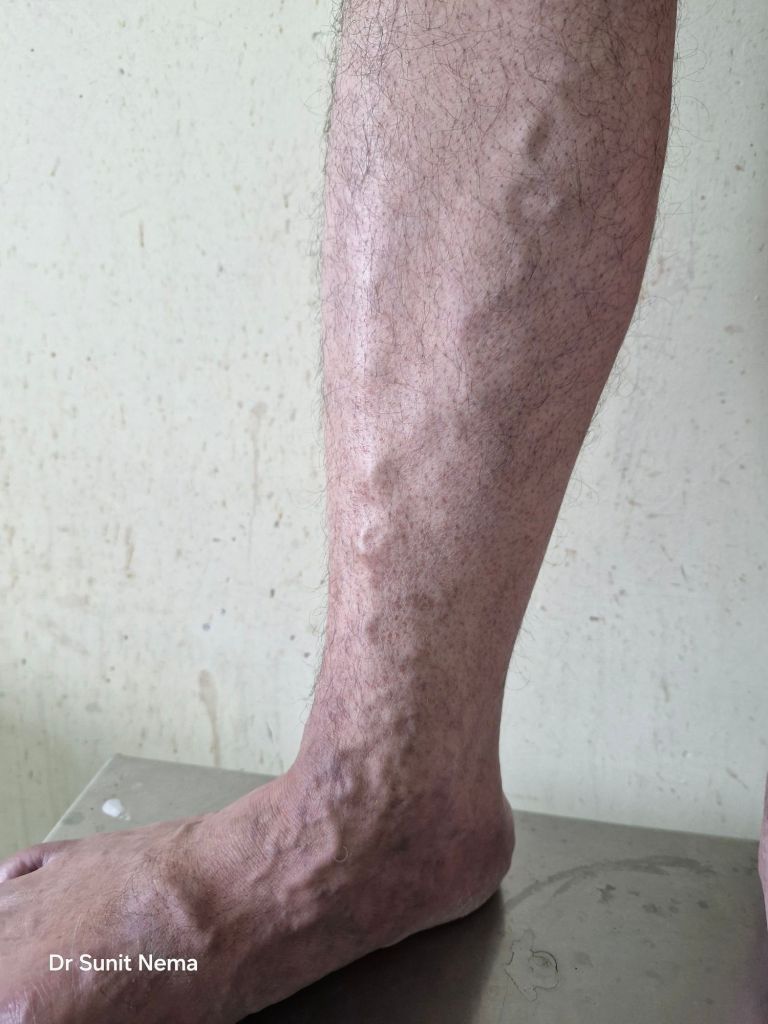
When will my varicose veins disappear after laser treatment?

एंडोवेनस लेज़र ट्रीटमेंट (EVLT) के बाद वैरिकोज़ वेन्स तुरंत गायब नहीं होती हैं, बल्कि धीरे-धीरे सिकुड़कर शरीर द्वारा अवशोषित हो जाती हैं। आप इस प्रकार की प्रक्रिया की उम्मीद कर सकते हैं:

  • पहले कुछ हफ्ते: इलाज की गई नस सख्त या संवेदनशील महसूस हो सकती है, और कुछ सूजन या चोट के निशान हो सकते हैं।
  • 4 से 6 हफ्ते: सूजन और चोट के निशान काफी हद तक कम हो जाएंगे, और नस हल्की पड़ने लगेगी।
  • 3 से 6 महीने: ज्यादातर इलाज की गई नसें फीकी पड़ जाएंगी या गायब हो जाएंगी।
  • 12 महीने तक: कुछ मामलों में, नसों के पूरी तरह अवशोषित होने में एक साल तक लग सकता है।

डॉक्टर की सलाह के अनुसार कंप्रेशन स्टॉकिंग्स पहनना और सक्रिय रहना उपचार को तेज कर सकता है। यदि 6 महीने बाद भी नसें दिखाई दें, तो डॉक्टर से संपर्क करें, क्योंकि अतिरिक्त उपचार (जैसे स्क्लेरोथेरेपी) की आवश्यकता हो सकती है।

क्या आप रिकवरी के लिए कुछ सुझाव चाहते हैं?

After endovenous laser treatment (EVLT) for varicose veins, the veins do not disappear immediately. Instead, they gradually shrink and are reabsorbed by the body over time. Here’s what you can expect:

  • First Few Weeks: The treated vein may feel firm or tender, and some bruising or swelling may be present.
  • 4 to 6 Weeks: Bruising and swelling should significantly improve, and the vein will start fading.
  • 3 to 6 Months: Most of the treated veins will have faded or disappeared.
  • Up to 12 Months: In some cases, it can take up to a year for the veins to be fully reabsorbed by the body.

Wearing compression stockings as recommended by your doctor and staying active can speed up healing. If you still see visible veins after six months, consult your doctor, as additional treatments (such as sclerotherapy) may be needed.

Would you like any tips for recovery?

https://maps.app.goo.gl/qPB5D3ZH9P6gb2Xq7

Uncategorized

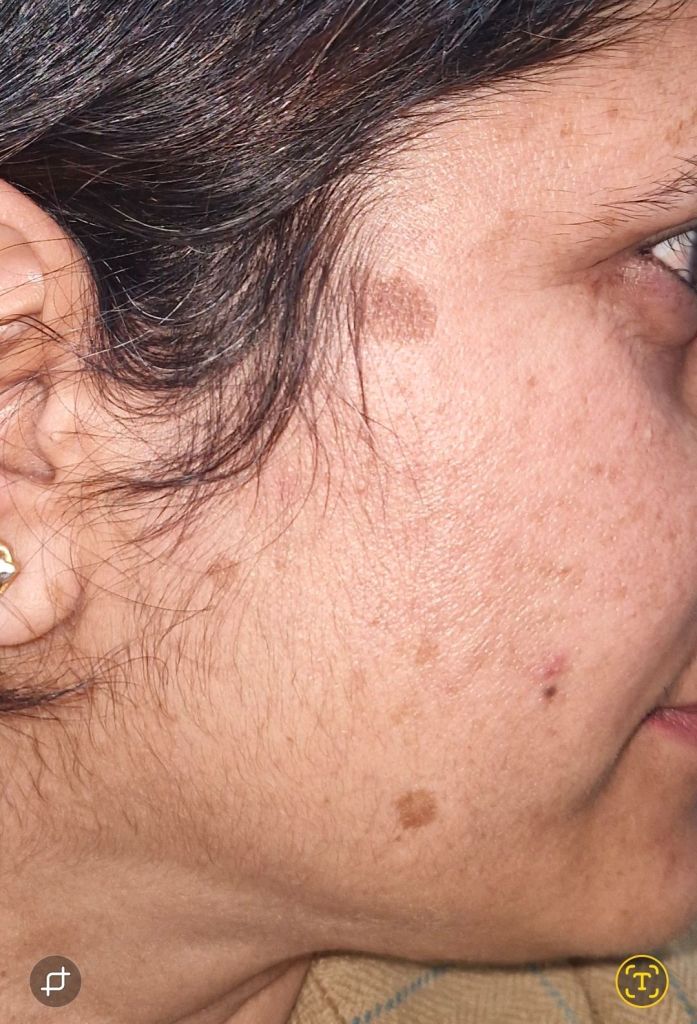
Sun Spots/ Age Spots/Solar lentigines/  सन स्पॉट्स/ एज स्पॉट्स

सोलर लेंटिजिन्स (सूर्य के धब्बे / लिवर स्पॉट्स)

सोलर लेंटिजिन्स त्वचा पर दिखाई देने वाले गहरे भूरे या काले धब्बे हैं, जो लंबे समय तक सूर्य के संपर्क में रहने के कारण होते हैं। इन्हें सन स्पॉट्स, एज स्पॉट्स, या लिवर स्पॉट्स भी कहा जाता है (हालाँकि इनका लिवर से कोई संबंध नहीं है)। ये अधिकतर बुजुर्गों में देखे जाते हैं, लेकिन अत्यधिक UV किरणों के संपर्क में आने से किसी भी उम्र में हो सकते हैं।

कारण

  1. पराबैंगनी (UV) किरणें – UV किरणों के कारण मेलेनिन का उत्पादन बढ़ता है, जिससे धब्बे बनते हैं।
  2. बुढ़ापा – 40 वर्ष की उम्र के बाद यह अधिक आम है, क्योंकि त्वचा को वर्षों तक सूर्य की क्षति झेलनी पड़ती है।
  3. फेयर स्किन (हल्की त्वचा) – हल्के रंग की त्वचा वाले लोगों को इसका अधिक खतरा होता है।
  4. अनुवांशिक कारण – कुछ लोगों में आनुवंशिक रूप से यह समस्या अधिक देखने को मिलती है।

कहाँ दिखाई देते हैं?

  • चेहरा
  • हाथ
  • कंधे
  • बाहें
  • ऊपरी पीठ

क्या सोलर लेंटिजिन्स हानिकारक हैं?

सोलर लेंटिजिन्स आमतौर पर हानिरहित होते हैं और यह कैंसर नहीं बनते, लेकिन कभी-कभी यह त्वचा कैंसर की तरह दिख सकते हैं। यदि कोई धब्बा आकार, रंग या आकार में तेजी से बदलाव दिखाए, तो तुरंत त्वचा विशेषज्ञ (डर्मेटोलॉजिस्ट) से सलाह लें।

उपचार विकल्प

  • टॉपिकल क्रीमहाइड्रोक्विनोन, रेटिनॉइड्स और विटामिन C वाली क्रीम धब्बों को हल्का कर सकती हैं।
  • लेजर थेरेपी – अनचाहे रंगद्रव्य (पिग्मेंटेशन) को दूर करने में मदद करता है।
  • केमिकल पील – त्वचा की ऊपरी परत हटाकर धब्बों को कम करता है।
  • क्रायोथेरेपी – ठंड से पिग्मेंटेड कोशिकाओं को नष्ट करता है।
  • सूर्य से बचावसनस्क्रीन (SPF 30 या अधिक) का नियमित उपयोग नए धब्बों को बनने से रोकता है।

यदि आप अपने क्षेत्र में उपलब्ध इलाज या विशेषज्ञ डॉक्टरों की जानकारी चाहते हैं, तो 0761 4921303 पर सम्पर्क करें

Solar Lentigines (Sun Spots / Liver Spots)

Solar lentigines are benign, pigmented skin spots caused by prolonged sun exposure. They are also known as sun spots, age spots, or liver spots (though they are unrelated to the liver). These spots are common in older adults but can appear at any age with excessive UV exposure.

Causes

  1. Ultraviolet (UV) Radiation – The primary cause, as UV exposure triggers increased melanin production.
  2. Aging – More common in people over 40 due to cumulative sun damage.
  3. Fair Skin – Individuals with lighter skin tones are more susceptible.
  4. Genetics – Some people are genetically predisposed to developing these spots.

Common Locations

  • Face
  • Hands
  • Shoulders
  • Arms
  • Upper back

Are Solar Lentigines Harmful?

Solar lentigines are harmless and non-cancerous, but they can be mistaken for skin cancer. Any sudden change in size, shape, or color should be evaluated by a dermatologist.

Treatment Options

  • Topical Creams – Hydroquinone, retinoids, and vitamin C can lighten spots.
  • Laser Therapy – Targets pigmentation for clearer skin.
  • Chemical Peels – Removes the outer skin layer, reducing pigmentation.
  • Cryotherapy – Freezes and destroys pigmented cells.
  • Sun Protection – Prevents new spots from forming
  • For more information and appointment booking contact 0761-492 1303
  • https://maps.app.goo.gl/ugxfb63VtyR39WoG6
Uncategorized

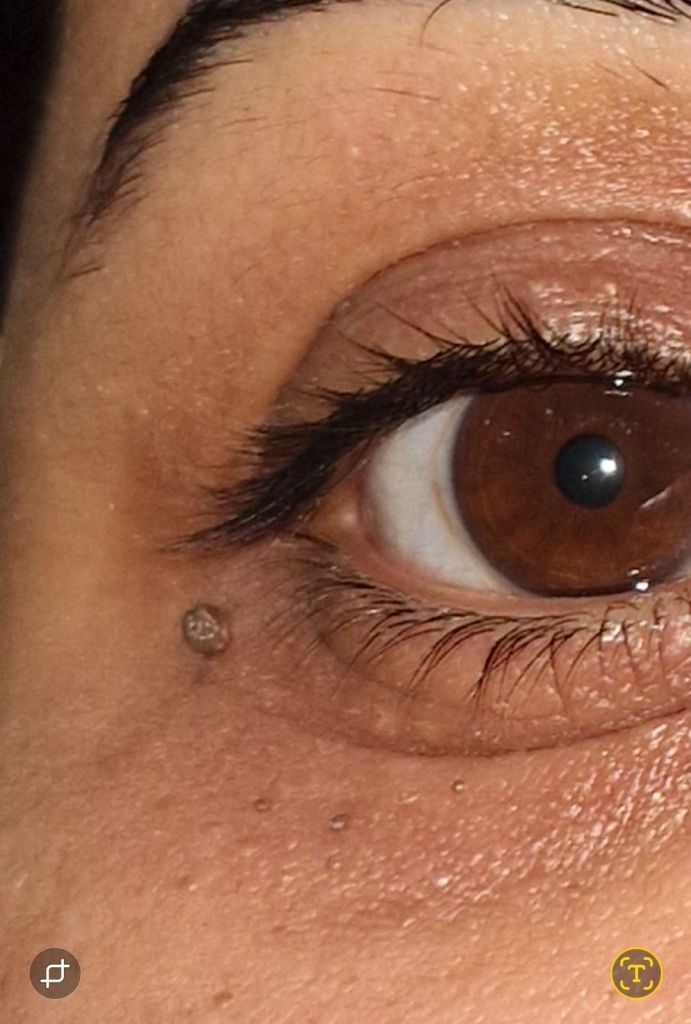
आंखों के आसपास होने वाले स्किन टैग या मस्से। Skin tags around the eyes

Periocular papillomas are benign epithelial growths that occur around the eyes. They are commonly caused by the following factors:

  1. Human Papillomavirus (HPV) – The most common cause, particularly low-risk strains like HPV 6 and 11, which induce benign growths on the eyelid or periocular region.
  2. Aging and Sun Exposure – In older adults, papillomas can develop as part of aging-related changes in the skin, often influenced by long-term ultraviolet (UV) exposure.
  3. Chronic Irritation or Inflammation – Repeated rubbing, exposure to irritants, or underlying inflammatory skin conditions can contribute to papilloma formation.
  4. Genetic Factors – Some individuals may have a genetic predisposition to developing papillomas more frequently than others.
  5. Weakened Immune System – People with immunosuppression (e.g., those with HIV, organ transplant recipients, or undergoing chemotherapy) are more susceptible to viral-induced papillomas.

Most periocular papillomas are harmless but can be removed if they cause discomfort, interfere with vision, or for cosmetic reasons. If you notice rapid growth, bleeding, or changes in color, it is best to consult an ophthalmologist or dermatologist to rule out malignancy.

पेरिओकुलर पैपिलोमा आंखों के आसपास होने वाली सौम्य (गैर-हानिकारक) एपिथेलियल वृद्धि हैं। इनके सामान्य कारण निम्नलिखित हैं:

  1. ह्यूमन पैपिलोमावायरस (HPV) – यह सबसे आम कारण है, विशेष रूप से लो-रिस्क प्रकार जैसे HPV 6 और 11, जो पलक या आंखों के आसपास सौम्य वृद्धि उत्पन्न कर सकते हैं।
  2. बुढ़ापा और सूर्य का संपर्क – वृद्ध व्यक्तियों में, त्वचा में उम्र से संबंधित बदलावों के कारण पैपिलोमा विकसित हो सकते हैं, जो अक्सर लंबे समय तक पराबैंगनी (UV) किरणों के संपर्क में आने से प्रभावित होते हैं।
  3. क्रोनिक जलन या सूजन – बार-बार आंखों को रगड़ने, प्रदूषकों के संपर्क में आने या किसी अंतर्निहित सूजन संबंधी त्वचा रोग के कारण भी पैपिलोमा हो सकता है।
  4. अनुवांशिक कारक – कुछ व्यक्तियों में आनुवंशिक प्रवृत्ति के कारण पैपिलोमा विकसित होने की संभावना अधिक होती है।
  5. कमजोर प्रतिरक्षा प्रणालीHIV, अंग प्रत्यारोपण, या कीमोथेरेपी जैसी स्थितियों के कारण प्रतिरक्षा प्रणाली कमजोर होने पर, वायरस से प्रेरित पैपिलोमा होने की संभावना बढ़ जाती है।

अधिकांश पेरिओकुलर पैपिलोमा हानिरहित होते हैं, लेकिन यदि वे असुविधा पैदा करें, दृष्टि में बाधा डालें, या सौंदर्य संबंधी चिंताओं के कारण हटाना आवश्यक हो, तो इन्हें हटाया जा सकता है। यदि पैपिलोमा तेजी से बढ़ता है, खून निकलता है, या रंग बदलता है, तो किसी नेत्र रोग विशेषज्ञ (ऑप्थलमोलॉजिस्ट) या त्वचा विशेषज्ञ (डर्मेटोलॉजिस्ट) से परामर्श करना महत्वपूर्ण है, ताकि किसी गंभीर बीमारी की संभावना को दूर किया जा सके।

https://maps.app.goo.gl/ugxfb63VtyR39WoG6