Uncategorized

अपना ब्रेस्ट कप साइज जानें/ know your breast cup size

अपने कप साइज को सटीक रूप से जानने के लिए, आपको दो मुख्य चीज़ों को मापने की आवश्यकता होती है: बैंड साइज और बस्ट साइज। यदि आप जबलपुर में ब्रेस्ट एन्लार्जमेंट या जबलपुर में ब्रेस्ट इम्प्लांट्स कराने की योजना बना रही हैं, तो यह जानकारी महत्वपूर्ण है क्योंकि सही माप से आप अपने लक्ष्यों को एक योग्य सर्जन के साथ बेहतर तरीके से साझा कर सकती हैं।

स्टेप 1: अपना बैंड साइज मापें

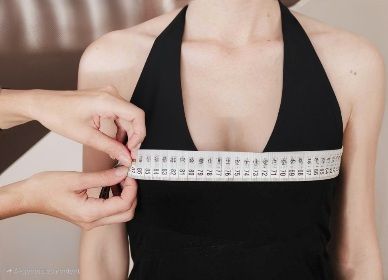
  1. एक नरम मापने वाली टेप का उपयोग करके अपने बस्ट (स्तनों) के ठीक नीचे अपनी पसलियों के चारों ओर माप लें। यह माप आपका बैंड साइज होगा।
  2. सुनिश्चित करें कि टेप आराम से फिट हो लेकिन बहुत टाइट न हो और शरीर के चारों ओर समतल रहे।
  3. माप को निकटतम पूर्ण संख्या में गोल कर लें। यदि माप सम संख्या में आता है, तो वही आपका बैंड साइज होगा (जैसे 32, 34, 36)। यदि माप विषम संख्या में आता है, तो इसे अगली सम संख्या तक बढ़ा दें।

जबलपुर में ब्रेस्ट इम्प्लांट्स की तैयारी कर रही महिलाओं के लिए सटीक बैंड साइज जानना आवश्यक है क्योंकि इससे सर्जन को यह समझने में मदद मिलती है कि आप किस आकार और अनुपात को प्राप्त करना चाहती हैं।

स्टेप 2: अपना बस्ट साइज मापें

  1. अपने बस्ट के सबसे भरे हुए हिस्से (आमतौर पर निपल्स के ऊपर) के चारों ओर माप लें।
  2. सुनिश्चित करें कि मापने वाली टेप बहुत टाइट न हो ताकि सही माप लिया जा सके।
  3. इस माप को निकटतम पूर्ण संख्या में गोल कर लें।

जबलपुर में ब्रेस्ट एन्लार्जमेंट पर विचार करते समय अपने बस्ट साइज को समझना महत्वपूर्ण है, क्योंकि यह आपके इच्छित आकार में कितनी वृद्धि की आवश्यकता है, यह तय करने में मदद करता है।

स्टेप 3: अपना कप साइज निर्धारित करें

अपना कप साइज जानने के लिए, अपने बस्ट साइज से बैंड साइज को घटाएं:

बस्ट माप – बैंड माप = कप साइज का अंतर

इस अंतर के आधार पर कप साइज निर्धारित करें:

  • 1 इंच का अंतर = A कप
  • 2 इंच का अंतर = B कप
  • 3 इंच का अंतर = C कप
  • 4 इंच का अंतर = D कप
  • 5 इंच का अंतर = DD (या E) कप

उदाहरण:
यदि आपका बैंड साइज 34 इंच और बस्ट साइज 37 इंच है:

37 – 34 = 3 इंच → कप साइज = C

इसलिए, आपका सही ब्रा साइज 34C होगा।

यदि आप जबलपुर में ब्रेस्ट एन्लार्जमेंट या जबलपुर में ब्रेस्ट इम्प्लांट्स पर विचार कर रही हैं, तो सही माप जानना महत्वपूर्ण है। यह आपको और आपके सर्जन को सही इम्प्लांट साइज चुनने में मदद करता है ताकि आप प्राकृतिक और संतुलित लुक प्राप्त कर सकें। सही माप सुनिश्चित करता है कि आप अपनी इच्छित आकृति और आरामदायक फिटिंग दोनों प्राप्त कर सकें।

To determine your cup size accurately, you need to measure two essential areas: your band size and bust size. This information is crucial, especially if you are considering breast enlargement in Jabalpur or exploring breast implants in Jabalpur, as accurate measurements can help you communicate your goals effectively with a qualified surgeon.

Step 1: Measure Your Band Size

  1. Use a soft measuring tape to measure around your ribcage, directly under your bust. This measurement determines your band size.
  2. Ensure the tape is snug but not too tight and lies flat around your body for accuracy.
  3. Round the measurement to the nearest whole number. If the measurement is an even number, that becomes your band size (e.g., 32, 34, 36). If it’s an odd number, round up to the next even number.

Accurately determining your band size is especially important if you are preparing for breast implants in Jabalpur, as it helps your surgeon understand the proportion and size you aim to achieve.

Step 2: Measure Your Bust Size

  1. Measure around the fullest part of your bust, typically over the nipples.
  2. Keep the tape comfortably loose to avoid compressing the bust and affecting the measurement.
  3. Round this measurement to the nearest whole number.

Understanding your bust size is vital when discussing breast enlargement in Jabalpur, as it provides a baseline to determine how much volume you may want to add.

Step 3: Calculate Your Cup Size

To find your cup size, subtract your band size from your bust size:

Bust Measurement – Band Measurement = Cup Size Difference

Use the difference to determine your cup size:

  • 1-inch difference = A cup
  • 2-inch difference = B cup
  • 3-inch difference = C cup
  • 4-inch difference = D cup
  • 5-inch difference = DD (or E) cup

Example Calculation:
If your band size is 34 inches and your bust size is 37 inches:

37 – 34 = 3 inches → Cup size = C

Your correct bra size would be 34C.

Accurate measurements are essential when considering breast enlargement in Jabalpur or breast implants in Jabalpur, as they help you and your surgeon select the right implant size for a natural and balanced look. Proper measurements ensure you achieve the desired aesthetic while maintaining comfort and proportion.

https://maps.app.goo.gl/n1soqLdujUwDshss7

Uncategorized

Advantages of implanter pen hair transplant/ इम्प्लांटर पेन हेयर ट्रांसप्लांट के लाभ

एक इम्प्लांटर पेन हेयर ट्रांसप्लांट फॉलिक्युलर यूनिट एक्सट्रैक्शन (FUE) हेयर रेस्टोरेशन में इस्तेमाल की जाने वाली एक विधि है। इसमें एक विशेष उपकरण (जिसे आमतौर पर CHOI पेन कहा जाता है) का उपयोग करके बालों के रोम को सीधे स्कैल्प में प्रत्यारोपित किया जाता है। जो लोग जबलपुर में हेयर ट्रांसप्लांट पर विचार कर रहे हैं, उनके लिए यह आधुनिक तकनीक पारंपरिक तरीकों की तुलना में कई लाभ प्रदान करती है।

1. अधिक सटीकता और नियंत्रण

  • इम्प्लांटर पेन सर्जनों को बाल प्रत्यारोपण के कोण, गहराई और दिशा को नियंत्रित करने की अनुमति देता है, जिससे प्राकृतिक दिखने वाली हेयरलाइन और बेहतर घनत्व सुनिश्चित होता है।

2. बाल रोम को कम नुकसान

  • यह पेन बालों के रोम के हैंडलिंग को कम करता है, जिससे क्षति का जोखिम घटता है और ग्रहणशीलता दर बढ़ती है।

3. तेजी से उपचार समय

  • छोटे चीरे और सटीक प्रत्यारोपण के कारण स्कैल्प को कम आघात पहुँचता है, जिससे तेजी से रिकवरी और ऑपरेशन के बाद कम असुविधा होती है।

4. सिमल्टेनियस इम्प्लांटेशन

  • पारंपरिक विधियों में पहले चीरे बनाए जाते हैं, जबकि इम्प्लांटर पेन एक ही चरण में निकालने और प्रत्यारोपण की अनुमति देता है, जिससे प्रक्रिया तेज हो जाती है।

5. घने प्रत्यारोपण के लिए उपयुक्त

  • यह बालों के रोम को करीब-करीब लगाने में सक्षम बनाता है, जो अधिक घनत्व प्राप्त करने के लिए लाभकारी है, खासकर अत्यधिक बाल झड़ने वाले क्षेत्रों में।

6. संक्रमण का कम जोखिम

  • छोटे चीरे संक्रमण, दाग और जटिलताओं के जोखिम को कम करते हैं, जिससे यह विधि सुरक्षित होती है।

7. कस्टमाइज़ेबल हेयर एंगल्स

  • यह पेन विशिष्ट कोणों पर प्रत्यारोपण की अनुमति देता है, जो विशेष रूप से हेयरलाइन या क्राउन जैसे क्षेत्रों के लिए उपयोगी होता है, जिससे प्राकृतिक विकास पैटर्न की नकल की जा सकती है।

जो लोग जबलपुर में हेयर ट्रांसप्लांट के विकल्प तलाश रहे हैं, उनके लिए इम्प्लांटर पेन तकनीक एक कम आक्रामक, कुशल और प्रभावी समाधान प्रदान करती है, जिससे प्राकृतिक परिणाम प्राप्त होते हैं।

An implanter pen hair transplant is a method used in Follicular Unit Extraction (FUE) hair restoration. It involves using a specialized tool (commonly known as a CHOI pen) to implant hair follicles directly into the scalp. Here are the advantages of using an implanter pen for hair transplantation:

1. Higher Precision and Control

  • The implanter pen allows surgeons to control the angle, depth, and direction of hair implantation, ensuring a natural-looking hairline and better density.

2. Reduced Trauma to Grafts

  • The pen minimizes handling of hair follicles, reducing the risk of damage and increasing graft survival rates.

3. Faster Healing Time

  • Smaller incisions and precise implantation cause less trauma to the scalp, leading to faster recovery and reduced post-operative discomfort.

4. Simultaneous Implantation

  • Unlike traditional methods where incisions are made first, the implanter pen allows for extraction and implantation in one step, speeding up the process.

5. Ideal for Dense Packing

  • It enables closer placement of hair follicles, which is beneficial for achieving higher density in areas with significant hair loss.

6. Lower Risk of Infection

  • Smaller incisions reduce the risk of infection, scarring, and complications compared to older techniques.

7. Customizable Hair Angles

  • The pen allows implantation at specific angles, which is especially useful for areas like the hairline or crown to replicate natural growth patterns.

Would you like to know more about the procedure or how it compares to other hair transplant methods?

https://maps.app.goo.gl/n1soqLdujUwDshss7

Uncategorized

How to choose a hairline for your hair transplant/ हेयर ट्रांसप्लांट में अपनी हैअरलाइन कैसे चुनें?

बाल प्रत्यारोपण (Hair Transplant) में हेयरलाइन पुनर्निर्माण (Hairline Reconstruction) एक महत्वपूर्ण प्रक्रिया है, जिससे चेहरे की संरचना को संतुलित और प्राकृतिक रूप दिया जाता है। विभिन्न प्रकार की हेयरलाइन डिज़ाइन हैं, जो व्यक्ति के चेहरे की संरचना, बालों की विशेषताओं और सौंदर्य आवश्यकताओं के अनुसार बनाई जाती हैं।

1. बाल प्रत्यारोपण में हेयरलाइन पुनर्निर्माण के प्रकार

  1. लिनियर या सीधी हेयरलाइन (Linear or Straight Hairline)
    • एक सीधी रेखा में बनी हुई हेयरलाइन, जो एक युवा और साफ-सुथरा लुक देती है।
    • किसके लिए उपयुक्त: युवा व्यक्ति जिन्हें कम हेयरलाइन की आवश्यकता है।
    • फायदे: जवान और साफ-सुथरा लुक।
    • नुकसान: उम्र के साथ अस्वाभाविक लग सकती है।
  2. मैच्योर या पीछे हटी हुई हेयरलाइन (Mature or Receded Hairline)
    • हल्की-सी पीछे हटी हुई डिज़ाइन, जो प्राकृतिक रूप से उम्र बढ़ने को दर्शाती है।
    • किसके लिए उपयुक्त: वे लोग जो प्राकृतिक और आयु-उपयुक्त हेयरलाइन चाहते हैं।
    • फायदे: दीर्घकालिक रूप से वास्तविक और प्राकृतिक दिखती है।
    • नुकसान: बालों के पूरे झड़ाव को कवर नहीं करती।
  3. गोल या यू-आकार की हेयरलाइन (Rounded or U-Shaped Hairline)
    • एक मुलायम, घुमावदार डिज़ाइन जो माथे की प्राकृतिक आकृति का अनुसरण करती है।
    • किसके लिए उपयुक्त: हल्के से मध्यम बाल झड़ाव वाले लोग।
    • फायदे: संतुलित और प्राकृतिक दिखती है।
    • नुकसान: यदि सही ढंग से डिज़ाइन न की जाए तो कृत्रिम दिख सकती है।
  4. अनियमित या फेदरड हेयरलाइन (Irregular or Feathered Hairline)
    • बालों की प्राकृतिक वृद्धि के पैटर्न को दोहराने के लिए बालों को अनियमित ढंग से लगाया जाता है।
    • किसके लिए उपयुक्त: जो सबसे प्राकृतिक दिखने वाली हेयरलाइन चाहते हैं।
    • फायदे: अत्यधिक वास्तविक और सभी उम्र के लिए उपयुक्त।
    • नुकसान: इसे बनाने के लिए उच्च कौशल और अधिक लागत की आवश्यकता होती है।
  5. विडोज़ पीक पुनर्निर्माण (Widow’s Peak Reconstruction)
    • माथे के बीच में वी-आकार का डिज़ाइन बनाना या पुनर्स्थापित करना।
    • किसके लिए उपयुक्त: जिनकी प्राकृतिक विडोज़ पीक थी और वे उसे फिर से पाना चाहते हैं।
    • फायदे: विशिष्ट और व्यक्तिगत रूप।
    • नुकसान: हर चेहरे की बनावट के लिए उपयुक्त नहीं होता।

2. सबसे अच्छा हेयरलाइन प्रकार कौन सा है?

सबसे अच्छा प्रकार व्यक्तिगत प्राथमिकताओं, चेहरे की बनावट और उम्र पर निर्भर करता है। हालांकि, अनियमित या फेदरड हेयरलाइन को सबसे अधिक प्राकृतिक दिखने वाली माना जाता है क्योंकि यह वास्तविक बालों की वृद्धि को बारीकी से दोहराती है।

हेयरलाइन डिज़ाइन चुनते समय ध्यान देने योग्य बातें:

  • उम्र: युवा लोग आमतौर पर सीधी हेयरलाइन पसंद करते हैं, जबकि अधिक उम्र के लोग पीछे हटी हुई हेयरलाइन को प्राथमिकता देते हैं।
  • चेहरे की संरचना: गोल चेहरे के लिए घुमावदार हेयरलाइन बेहतर होती है, जबकि कोणीय चेहरे के लिए तीव्र डिजाइन बेहतर होता है।
  • लंबे समय तक टिकाऊपन: एक प्राकृतिक और पीछे हटी हुई हेयरलाइन उम्र के साथ बेहतर दिखती है।
  • सर्जन की विशेषज्ञता: एक अनुभवी सर्जन चुनें जो व्यक्तिगत और कलात्मक हेयरलाइन डिज़ाइन में माहिर हो।

यदि आप जबलपुर में बाल प्रत्यारोपण (Hair Transplant in Jabalpur) की योजना बना रहे हैं, तो सुनिश्चित करें कि आप एक अनुभवी क्लिनिक का चयन करें, जो नवीनतम तकनीकों में विशेषज्ञता रखता हो और आपको प्राकृतिक एवं संतोषजनक परिणाम प्रदान कर सके।

Hairline reconstruction is a crucial part of a hair transplant procedure, as it frames the face and restores a natural appearance. There are different techniques and designs used in hairline reconstruction, depending on the patient’s facial structure, hair characteristics, and aesthetic goals. Here’s a breakdown of the main types and which one might be the best:

1. Types of Hairline Reconstruction in Hair Transplant

  1. Linear or Straight Hairline
    • A straight-across design, typically used for patients who want a youthful, sharp appearance.
    • Best for: Younger patients with minimal recession or those who want a defined, even look.
    • Pros: Provides a bold, youthful look.
    • Cons: May look unnatural as you age if not done subtly.
  2. Mature or Receded Hairline
    • Mimics the natural aging process with slight recession at the temples.
    • Best for: Older patients or those who want a natural, age-appropriate appearance.
    • Pros: Looks realistic over time.
    • Cons: Less aggressive restoration, may not cover all bald areas.
  3. Rounded or U-Shaped Hairline
    • Features a rounded curve, which is common in natural hairlines.
    • Best for: Individuals with a naturally curved hairline or mild-to-moderate hair loss.
    • Pros: Balanced, natural look.
    • Cons: Requires careful design to prevent an artificial look.
  4. Irregular or Feathered Hairline
    • Uses irregular, staggered graft placement to mimic the randomness of natural hair growth.
    • Best for: Those wanting the most natural appearance.
    • Pros: Highly realistic and suitable for all ages.
    • Cons: Requires advanced surgical skill, and may be costlier.
  5. Widow’s Peak Reconstruction
    • Restores or enhances the natural widow’s peak shape.
    • Best for: Patients who had a natural widow’s peak and want it restored.
    • Pros: Customizable and distinctive.
    • Cons: May not suit everyone’s facial shape.

2. Which Hairline Type is the Best?

The best type depends on individual preferences, facial anatomy, and age. However, the irregular or feathered hairline is widely considered the most natural-looking because it replicates the randomness of real hair growth. A combination approach, where a slightly mature hairline with feathering is done, is often the most durable and aesthetically pleasing.

Factors to Consider When Choosing a Hairline Design:

  • Age: Younger patients may want a lower, straighter hairline; older patients often prefer a mature, receded look.
  • Facial Structure: A rounded face may suit a curved hairline, while angular faces may fit a sharper design.
  • Long-Term Appearance: A conservative, natural hairline ages better over time.
  • Surgeon’s Expertise: Choose a surgeon experienced in personalized and artistic hairline design.

Would you like details on hair transplant techniques (FUE vs. FUT) or the recovery process?

https://maps.app.goo.gl/5ZFxrpK421Dr5kKk6

Uncategorized

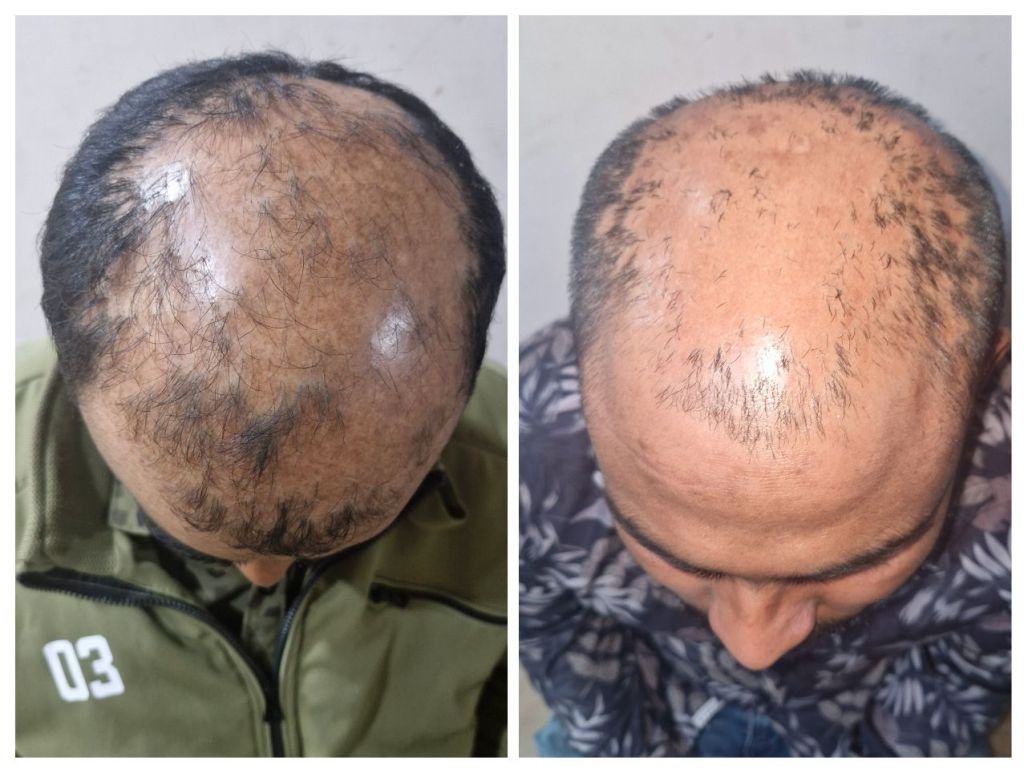
Why in some patients alopecia areata does not respond to steroid injections and medical treatment?

Alopecia areata is an autoimmune condition where the immune system attacks hair follicles, leading to hair loss. While steroid injections and other medical treatments are effective for many patients, some individuals may not respond to these therapies due to several factors:

1. Severity and Extent of Disease

  • Chronic or Extensive Involvement: Patients with more widespread hair loss (alopecia totalis or universalis) are less likely to respond to treatment compared to those with small, localized patches.
  • Long-standing Disease: Hair follicles that have been inactive for a prolonged period may become less responsive to stimulation.

2. Immune System Dysregulation

  • Resistance to Immunosuppression: Some patients’ immune systems may not be sufficiently suppressed by steroids, allowing the autoimmune attack on hair follicles to continue.
  • Cytokine Imbalance: Persistent inflammation driven by cytokines (e.g., IFN-γ, IL-15) may not be fully counteracted by corticosteroids.

3. Genetic Factors

  • Genetic Predisposition: Certain genetic profiles linked to alopecia areata can influence treatment responsiveness. For example, specific HLA gene variants are associated with more severe or treatment-resistant forms.

4. Delayed Treatment Initiation

  • Timing Matters: Early intervention often leads to better outcomes. Delay in starting treatment can allow more extensive follicular damage, reducing the likelihood of regrowth.

5. Treatment Limitations

  • Insufficient Dosage or Duration: Inadequate steroid dosage, frequency, or duration may not effectively suppress inflammation.
  • Tachyphylaxis: Prolonged steroid use can lead to diminishing returns as the body adapts, reducing efficacy over time.

6. Comorbid Conditions

  • Other Autoimmune Diseases: Coexisting autoimmune conditions (e.g., thyroid disease, vitiligo) may exacerbate immune dysregulation, complicating treatment response.
  • Nutritional Deficiencies: Deficiencies in vitamins (e.g., vitamin D, zinc) can hinder hair regrowth.

7. Psychological and Stress Factors

  • Chronic Stress: Psychological stress can worsen immune dysregulation, reducing the effectiveness of treatments.
  • Emotional Trauma: Stress-related hormonal changes may amplify hair follicle dysfunction.

Alternative Approaches for Resistant Cases:

  • JAK Inhibitors: Emerging therapies like tofacitinib and baricitinib target the JAK-STAT pathway and have shown promise in refractory cases.
  • Immunotherapy: Contact immunotherapy (e.g., diphenylcyclopropenone) may stimulate hair regrowth by modulating the immune response.
  • Platelet-Rich Plasma (PRP): May enhance follicle recovery in steroid-resistant cases.

Would you like more details on advanced treatment options or specific therapies?

कुछ मरीजों में एलोपेसिया एरीटा (Alopecia Areata) स्टेरॉयड इंजेक्शन और अन्य चिकित्सीय उपचारों का जवाब क्यों नहीं देता, इसके पीछे कई कारण हो सकते हैं:

1. रोग की तीव्रता और विस्तार

  • व्यापक या पुरानी अवस्था: जिन मरीजों में बालों का झड़ना व्यापक (एलोपेसिया टोटालिस या यूनिवर्सालिस) होता है, उनमें उपचार का असर कम होता है।
  • लंबे समय से मौजूद बीमारी: जिन बालों के कूप (hair follicles) लंबे समय से निष्क्रिय हैं, वे उपचार के प्रति कम संवेदनशील हो सकते हैं।

2. प्रतिरक्षा प्रणाली (इम्यून सिस्टम) की असंतुलित प्रतिक्रिया

  • इम्यूनोसप्रेशन का प्रतिरोध: कुछ मरीजों की प्रतिरक्षा प्रणाली स्टेरॉयड से पर्याप्त रूप से दबती नहीं है, जिससे बालों के कूप पर हमला जारी रहता है।
  • साइटोकाइन असंतुलन: कुछ रोगियों में इन्फ्लेमेटरी साइटोकाइन्स (जैसे IFN-γ, IL-15) स्टेरॉयड के प्रभाव को निष्क्रिय कर सकते हैं।

3. आनुवंशिक कारण

  • आनुवंशिक प्रवृत्ति: कुछ जीन विशेष रूप से HLA जीन में बदलाव, एलोपेसिया एरीटा के गंभीर और उपचार-प्रतिरोधी रूपों से जुड़े होते हैं।

4. उपचार शुरू करने में देरी

  • समय पर उपचार का अभाव: यदि उपचार देर से शुरू किया जाए तो बालों के कूप को अधिक नुकसान हो सकता है, जिससे पुनः उगने की संभावना कम हो जाती है।

5. उपचार की सीमाएँ

  • खुराक या अवधि की अपर्याप्तता: यदि स्टेरॉयड की खुराक या अवधि पर्याप्त नहीं है, तो सूजन को दबाया नहीं जा सकता।
  • टैकीफाइलैक्सिस: लंबे समय तक स्टेरॉयड के उपयोग से शरीर इसके प्रति प्रतिरोधकता विकसित कर सकता है, जिससे प्रभाव कम हो जाता है।

6. सहवर्ती बीमारियाँ (Comorbid Conditions)

  • अन्य ऑटोइम्यून रोग: थायरॉइड विकार या विटिलिगो जैसी अन्य ऑटोइम्यून बीमारियाँ उपचार को जटिल बना सकती हैं।
  • पोषण की कमी: विटामिन डी, जिंक जैसी पोषक तत्वों की कमी बालों की पुनः वृद्धि में बाधा बन सकती है।

7. मनोवैज्ञानिक और तनाव से जुड़े कारक

  • क्रोनिक स्ट्रेस: लंबे समय तक तनाव इम्यून सिस्टम को असंतुलित कर सकता है, जिससे उपचार की प्रभावशीलता कम हो जाती है।
  • भावनात्मक आघात: मानसिक आघात से हार्मोनल परिवर्तन हो सकते हैं, जिससे बालों के कूप कमजोर हो जाते हैं।

स्टेरॉयड-प्रतिरोधी मामलों के लिए वैकल्पिक उपचार:

  • JAK इनहिबिटर्स: टॉफासिटिनिब और बैरिसिटिनिब जैसे नए उपचार प्रतिरक्षा मार्ग (JAK-STAT पाथवे) को लक्षित करते हैं और जटिल मामलों में कारगर साबित हुए हैं।
  • संपर्क इम्यूनोथेरेपी: डिफेनाइलसाइक्लोप्रोपेनोन (DPCP) जैसे टॉपिकल एजेंट प्रतिरक्षा प्रतिक्रिया को संशोधित कर सकते हैं।
  • प्लेटलेट-रिच प्लाज़्मा (PRP): स्टेरॉयड-प्रतिरोधी मामलों में बालों के कूप की पुनः सक्रियता में मदद कर सकता है।

यदि आप उन्नत उपचार विकल्पों या विशिष्ट थैरेपी के बारे में अधिक जानकारी चाहते हैं, तो बताइए।

Uncategorized

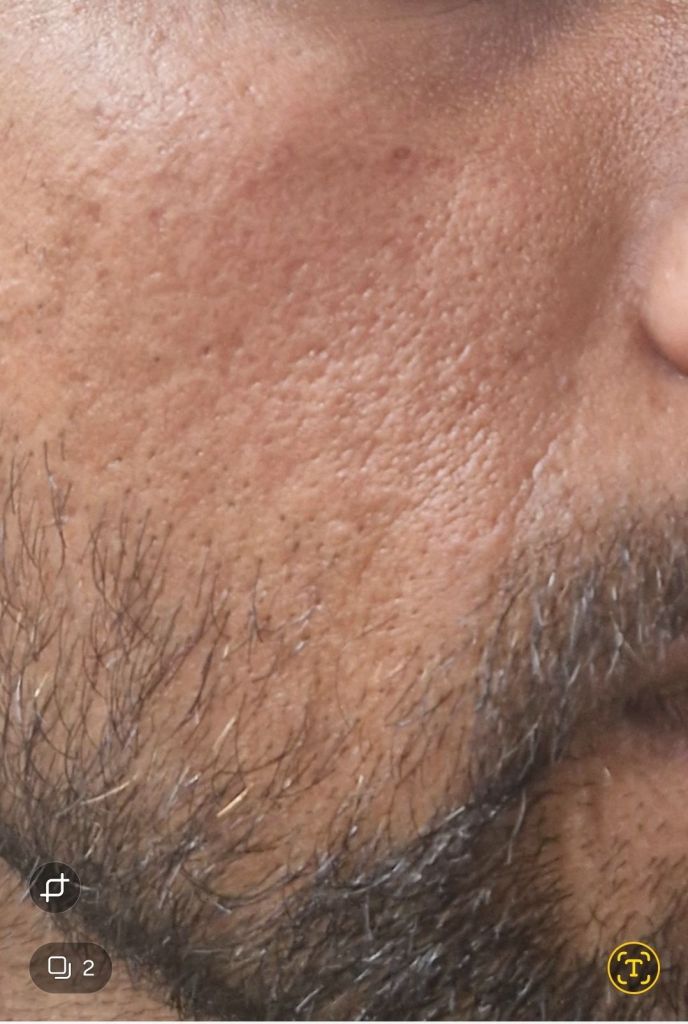
Open pores on Skin: what to do? त्वचा पर खुले रोमछिद्र: क्या करें?

खुले पोर्स (Open Pores) का मतलब त्वचा पर बड़े और अधिक दिखाई देने वाले रोमछिद्र होते हैं, जो अक्सर चेहरे (विशेषकर नाक, गाल और माथे) पर देखे जाते हैं। ये आमतौर पर अतिरिक्त तेल उत्पादन, उम्र बढ़ने, सूरज की क्षति या आनुवंशिक कारणों से होते हैं। हालांकि इन्हें पूरी तरह से खत्म नहीं किया जा सकता, लेकिन सही देखभाल से इनकी उपस्थिति को कम किया जा सकता है।


खुले पोर्स के कारण:

  • अधिक तेल उत्पादन (विशेष रूप से तैलीय त्वचा में)
  • उम्र बढ़ना (त्वचा की लचीलापन कम होना)
  • सूरज की क्षति (कोलेजन कमजोर होना जिससे पोर्स बड़े दिखते हैं)
  • आनुवंशिकता (वंशानुगत त्वचा के लक्षण)
  • गलत स्किन केयर (मेकअप या गंदगी से रोमछिद्र बंद होना)

खुले पोर्स की उपस्थिति को कम करने के तरीके:

  1. सही सफाई रूटीन:
    • दिन में दो बार माइल्ड क्लींजर से चेहरा धोएं ताकि अतिरिक्त तेल और गंदगी हट जाए।
    • हार्श स्क्रब से बचें, क्योंकि यह त्वचा को नुकसान पहुंचा सकता है।
  2. एक्सफोलिएशन (सप्ताह में 1-2 बार):
    • सैलिसिलिक एसिड (BHA) का इस्तेमाल करें ताकि रोमछिद्र साफ रहें और तेल कम हो।
    • अत्यधिक एक्सफोलिएशन से बचें, इससे त्वचा में जलन और पोर्स बढ़ सकते हैं।
  3. मॉइस्चराइज करें:
    • नॉन-कॉमेडोजेनिक (जो रोमछिद्र बंद न करे) मॉइस्चराइज़र का उपयोग करें।
  4. हर दिन सनस्क्रीन लगाएं:
    • SPF 30+ वाला सनस्क्रीन सूरज की किरणों से सुरक्षा देता है और त्वचा की लचीलापन बनाए रखता है।
  5. विशेष उपचार:
    • रेटिनॉइड्स: सेल टर्नओवर बढ़ाते हैं और पोर्स को छोटा दिखाते हैं।
    • नियासिनमाइड: तेल उत्पादन नियंत्रित करता है और पोर्स की उपस्थिति कम करता है।
    • क्ले मास्क: अतिरिक्त तेल सोखता है और रोमछिद्रों को साफ रखता है।
  6. लाइफस्टाइल में बदलाव:
    • पर्याप्त पानी पिएं और एंटीऑक्सीडेंट से भरपूर संतुलित आहार लें।
    • हेवी मेकअप से बचें और इसे हटाए बिना कभी न सोएं।

उन्नत चिकित्सा उपचार (यदि आवश्यक हो):

  • केमिकल पील्स: त्वचा की बाहरी परत हटाकर बनावट को चिकना बनाते हैं।
  • लेजर थेरेपी: त्वचा को टाइट करती है और पोर्स की उपस्थिति कम करती है।
  • माइक्रोनीडलिंग: कोलेजन उत्पादन को बढ़ावा देती है और त्वचा को स्मूथ बनाती है।

खुले पोर्स की समस्या के लिए पेशेवर समाधान प्राप्त करने के लिए जबलपुर में स्किन केयर क्लिनिक पर संपर्क करें।

Open pores on the skin refer to enlarged skin pores that are more visible, often on the face (especially the nose, cheeks, and forehead). They are caused by excess oil production, aging, sun damage, or genetics. While you cannot permanently shrink pores, you can minimize their appearance and prevent them from becoming larger.

Causes of Open Pores:

  • Excess oil production (common in oily skin types)
  • Aging (loss of skin elasticity)
  • Sun damage (weakens collagen, enlarging pores)
  • Genetics (inherited skin characteristics)
  • Improper skincare (clogged pores from makeup and dirt)

Ways to Minimize Open Pores:

  1. Proper Cleansing Routine:
    • Use a gentle cleanser twice a day to remove excess oil and dirt.
    • Avoid harsh scrubs that can irritate the skin.
  2. Exfoliation (1-2 times/week):
    • Use salicylic acid (BHA) to clear pores and reduce oiliness.
    • Avoid over-exfoliating, which can irritate and enlarge pores.
  3. Moisturize Regularly:
    • Choose a lightweight, non-comedogenic (won’t clog pores) moisturizer.
  4. Use Sunscreen Daily:
    • SPF 30+ protects skin from sun damage and maintains elasticity.
  5. Targeted Treatments:
    • Retinoids: Help increase cell turnover and reduce pore size.
    • Niacinamide: Minimizes pore appearance and controls oil.
    • Clay Masks: Absorb excess oil and clear pores.
  6. Lifestyle Changes:
    • Stay hydrated and eat a balanced diet rich in antioxidants.
    • Avoid heavy makeup and always remove it before bed.

Medical Treatments (If Needed):

  • Chemical Peels: Remove the outer layer of skin for smoother texture.
  • Laser Therapy: Tightens skin and reduces pore size.
  • Microneedling: Stimulates collagen production.

Would you like skincare recommendations or specific treatment options?

https://maps.app.goo.gl/5ZFxrpK421Dr5kKk6

Uncategorized

Are burn scars treatable? क्या जले के निशानों का इलाज हो सकता है?

Yes, burn scars are treatable, though the effectiveness of treatment depends on the severity, age, and type of the scar. There are several treatment options available:

1. Non-Surgical Treatments:

  • Topical Treatments: Silicone sheets or gels can help flatten and fade scars.
  • Pressure Therapy: Useful for preventing thick (hypertrophic) scars by applying pressure garments.
  • Steroid Injections: Reduce inflammation and improve the texture of raised scars.
  • Laser Therapy: Helps reduce redness, smooth out scars, and improve skin texture.

2. Surgical Treatments:

  • Skin Grafting: Replaces damaged skin with healthy skin from another area.
  • Scar Revision Surgery: Removes or repositions the scar to make it less noticeable.

3. Advanced Therapies:

  • Microneedling: Stimulates collagen production to improve scar texture.
  • PRP (Platelet-Rich Plasma) Therapy: Promotes skin healing and regeneration.

4. Home Care & Natural Remedies:

  • Moisturizing: Keeps the skin hydrated and improves elasticity.
  • Massage Therapy: Helps soften and flatten scars over time.

When to See a Doctor:

If a scar is causing pain, limiting movement, or affecting appearance, consult a dermatologist or plastic surgeon for personalized treatment options.

Would you like more details on a specific treatment or advice for a particular type of burn scar?

हाँ, जलने के निशान का इलाज संभव है, हालांकि उपचार की प्रभावशीलता निशान की गंभीरता, उम्र और प्रकार पर निर्भर करती है। इसके लिए कई प्रकार के उपचार उपलब्ध हैं:

1. गैर-सर्जिकल उपचार:

  • टॉपिकल ट्रीटमेंट: सिलिकॉन शीट या जेल से निशान को सपाट और हल्का करने में मदद मिलती है।
  • प्रेशर थेरेपी: दबाव गारमेंट का उपयोग करके मोटे (हाइपरट्रॉफिक) निशान बनने से रोका जा सकता है।
  • स्टेरॉयड इंजेक्शन: सूजन को कम करते हैं और उभरे हुए निशान की बनावट में सुधार करते हैं।
  • लेजर थेरेपी: लालिमा कम करने, त्वचा को चिकना बनाने और निशान को हल्का करने में मदद करती है।

2. सर्जिकल उपचार:

  • स्किन ग्राफ्टिंग: क्षतिग्रस्त त्वचा को शरीर के किसी अन्य हिस्से से स्वस्थ त्वचा से बदलना।
  • स्कार रिवीजन सर्जरी: निशान को हटाना या उसकी स्थिति बदलना ताकि वह कम दिखाई दे।

3. उन्नत उपचार:

  • माइक्रोनीडलिंग: कोलेजन उत्पादन को उत्तेजित करता है, जिससे त्वचा की बनावट में सुधार होता है।
  • पीआरपी (प्लेटलेट-रिच प्लाज़्मा) थेरेपी: त्वचा की मरम्मत और पुनर्जनन को बढ़ावा देती है।

4. घरेलू देखभाल और प्राकृतिक उपचार:

  • मॉइस्चराइजिंग: त्वचा को हाइड्रेट रखती है और लचीलापन बढ़ाती है।
  • मसाज थेरेपी: समय के साथ निशान को नरम और सपाट करने में मदद करती है।

कब डॉक्टर से संपर्क करें:

यदि निशान दर्द कर रहा है, शरीर की गति को सीमित कर रहा है, या आपकी उपस्थिति को प्रभावित कर रहा है, तो व्यक्तिगत उपचार के लिए किसी विशेषज्ञ से परामर्श करें।

यदि आपको विशेष देखभाल की आवश्यकता है, तो जबलपुर में बर्न क्लिनिक या जबलपुर के सर्वश्रेष्ठ प्लास्टिक सर्जन से संपर्क करना एक प्रभावी समाधान हो सकता है।

https://maps.app.goo.gl/5ZFxrpK421Dr5kKk6

Uncategorized

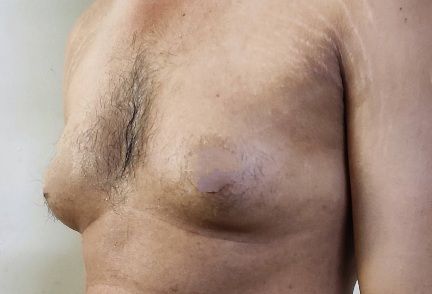
Male Breast Enlargement (Gynecomastia)/ पुरूषों में स्तन बढ़ना

Gynecomastia is the enlargement of male breast tissue caused by an imbalance between estrogen and testosterone. It can affect one or both breasts and is common in adolescents, older men, and those with hormonal imbalances.

Causes of Gynecomastia:

  • Hormonal Imbalance – Increased estrogen or decreased testosterone.
  • Obesity – Leads to excess fat and increased estrogen production.
  • Medications – Certain drugs like steroids, anti-androgens, or antidepressants.
  • Underlying Conditions – Liver disease, kidney failure, or thyroid disorders.
  • Substance Use – Alcohol, marijuana, and anabolic steroids can contribute.

Symptoms:

  • Swollen or enlarged breast tissue.
  • Firm, rubbery lump under the nipple.
  • Tenderness or sensitivity in the chest area.
  • Puffy or rounded nipple appearance.

Treatment Options:

  • Lifestyle Changes – Weight loss and exercise (helps with pseudogynecomastia).
  • Medications – In some cases, doctors prescribe hormone-regulating drugs.
  • Surgery – Liposuction or glandular tissue removal for persistent cases.

For gynecomastia treatment in Jabalpur, consulting a cosmetic surgeon in Jabalpur can help determine the best approach. If you’d like recommendations, let me know!

पुरुषों में स्तन वृद्धि (गाइनेकोमास्टिया)

गाइनेकोमास्टिया पुरुषों में स्तन ऊतक (ग्लैंड) के बढ़ने को कहते हैं, जो एस्ट्रोजन और टेस्टोस्टेरोन के असंतुलन के कारण होता है। यह एक या दोनों स्तनों को प्रभावित कर सकता है और आमतौर पर किशोरों, वृद्ध पुरुषों और हार्मोनल असंतुलन वाले व्यक्तियों में देखा जाता है।

गाइनेकोमास्टिया के कारण:

  • हार्मोनल असंतुलन – एस्ट्रोजन का बढ़ना या टेस्टोस्टेरोन का कम होना।
  • मोटापा – शरीर में अतिरिक्त चर्बी और एस्ट्रोजन उत्पादन बढ़ने से।
  • दवाओं का प्रभाव – कुछ स्टेरॉयड, एंटी-एंड्रोजन और एंटीडिप्रेसेंट जैसी दवाएं।
  • स्वास्थ्य समस्याएं – लीवर रोग, किडनी फेल्योर, या थायरॉइड असंतुलन।
  • नशे का सेवन – शराब, गांजा और एनाबॉलिक स्टेरॉयड का उपयोग।

लक्षण:

  • छाती का फूलना या बड़ा दिखना।
  • निप्पल के नीचे रबर जैसी कठोर गांठ महसूस होना।
  • छाती में कोमलता या संवेदनशीलता।
  • निप्पल के आसपास सूजन या पफी दिखावट।

इलाज के विकल्प:

  • जीवनशैली में बदलाव – वजन घटाने और व्यायाम से सुधार (यदि यह फैट के कारण हो)।
  • दवाइयां – कुछ मामलों में हार्मोन संतुलित करने वाली दवाएं दी जाती हैं।
  • सर्जरी – यदि समस्या बनी रहती है, तो लिपोसक्शन या ग्लैंड हटाने की सर्जरी करवाई जा सकती है।

अगर आप जबलपुर में गाइनेकोमास्टिया का इलाज कराना चाहते हैं, तो किसी जबलपुर के कॉस्मेटिक सर्जन से संपर्क कर सकते हैं। अधिक जानकारी चाहिए तो मुझे बताएं!

https://maps.app.goo.gl/5ZFxrpK421Dr5kKk6

Uncategorized

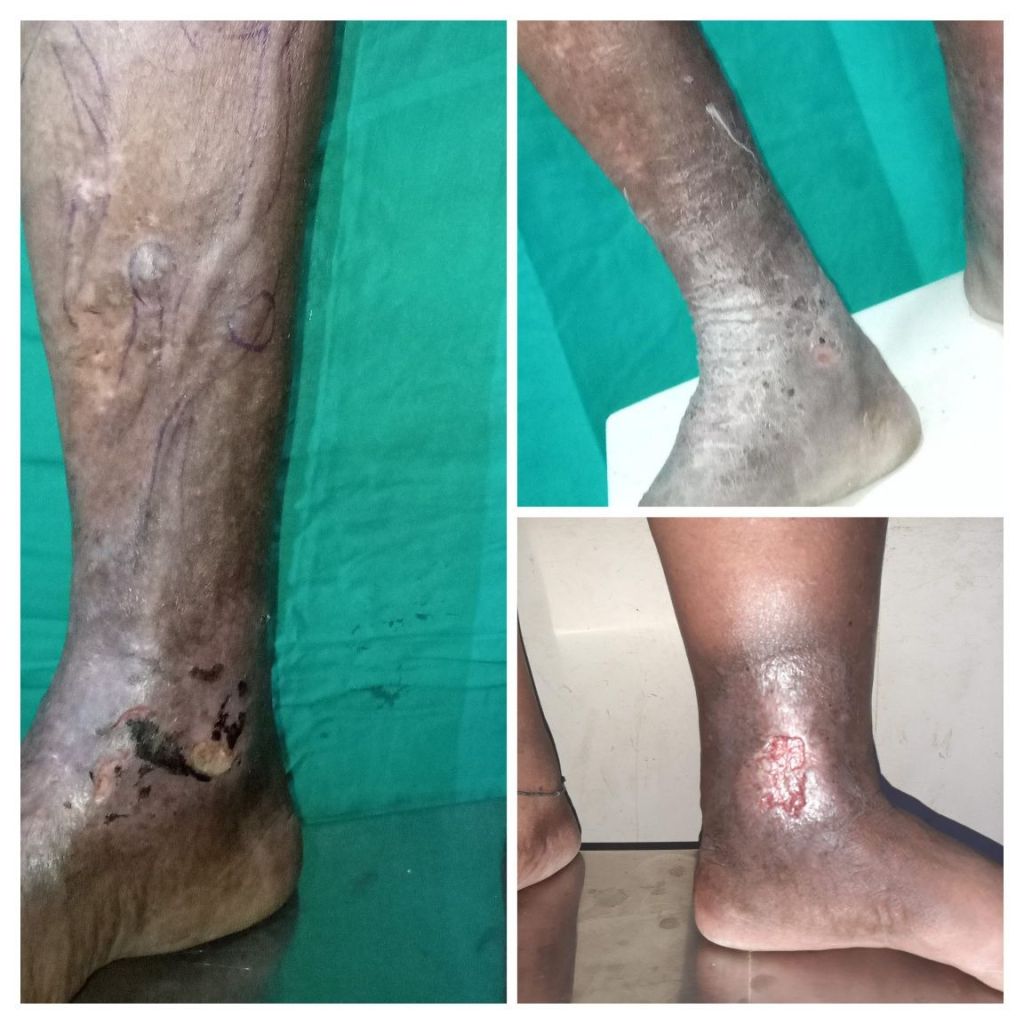
What skin problems can occur with Varicose veins/ वेरिकोज वेंस से स्किन की क्या समस्याएं उत्पन्न हो सकती हैं?

वैरिकोज़ नसों से खराब रक्त संचार और बढ़े हुए दबाव के कारण कई प्रकार की त्वचा संबंधी समस्याएँ हो सकती हैं। कुछ सामान्य समस्याएँ इस प्रकार हैं:

1. त्वचा का काला पड़ना (हाइपरपिगमेंटेशन) – प्रभावित नसों के आसपास की त्वचा भूरी या लाल हो सकती है, जो क्रॉनिक इंफ्लेमेशन और रक्त रिसाव के कारण होती है।


2. सूखी और खुजली वाली त्वचा (वेनस एक्जिमा या स्टेसिस डर्मेटाइटिस) – खराब रक्त संचार के कारण त्वचा सूखी, जलनयुक्त और लाल हो सकती है, जिससे खुजली होती है।


3. सूजन (एडेमा) – नसों में रक्त के जमाव के कारण पैरों में सूजन हो सकती है, जिससे त्वचा खिंची हुई और चमकदार दिखाई देती है।


4. त्वचा पर घाव (वेनस अल्सर) – गंभीर मामलों में, लंबे समय तक रक्त संचार में गड़बड़ी के कारण टखनों के आसपास धीमे भरने वाले घाव हो सकते हैं, जो संक्रमण का कारण बन सकते हैं।


5. लिपोडर्माटोस्क्लेरोसिस – यह एक स्थिति है जिसमें लंबे समय तक सूजन और ऊतक के कठोर होने के कारण त्वचा कड़ी, तंग और दर्दनाक हो जाती है।


6. रक्तस्राव और नीले धब्बे (ब्रूज़िंग) – त्वचा के पास की नाजुक नसें आसानी से फट सकती हैं, जिससे मामूली चोट से भी रक्तस्राव या नीले धब्बे हो सकते हैं।


7. सेलुलाइटिस – जहां त्वचा कमजोर होती है वहां बैक्टीरियल संक्रमण हो सकता है, जिससे लालिमा, सूजन, गर्माहट और दर्द हो सकता है।


यदि वैरिकोज़ नसों के आसपास किसी भी तरह का त्वचा परिवर्तन दिखाई दे, तो जटिलताओं से बचने के लिए डॉक्टर से सलाह लेना जरूरी है।

Varicose veins can lead to several skin problems due to poor circulation and increased pressure in the affected veins. Some common skin issues associated with varicose veins include:

  1. Skin Discoloration (Hyperpigmentation) – The skin around varicose veins may turn brown or reddish due to chronic inflammation and blood leakage from the veins.
  2. Dry, Itchy Skin (Venous Eczema or Stasis Dermatitis) – Poor circulation can cause the skin to become dry, irritated, and inflamed, leading to itching and redness.
  3. Swelling (Edema) – Fluid buildup in the legs due to venous insufficiency can cause swelling and discomfort, making the skin appear stretched and shiny.
  4. Skin Ulcers (Venous Ulcers) – In severe cases, prolonged venous insufficiency can lead to open wounds, typically around the ankles, which are slow to heal and prone to infection.
  5. Lipodermatosclerosis – A condition where the skin becomes hardened, tight, and painful due to long-term inflammation and fibrosis of the tissue.
  6. Bleeding and Bruising – The fragile veins close to the skin’s surface may rupture easily, causing spontaneous bruising or bleeding even with minor trauma.
  7. Cellulitis – Bacterial infections can occur in areas where the skin is compromised, leading to redness, warmth, swelling, and tenderness.

If you notice any significant skin changes around varicose veins, it’s important to seek medical attention to prevent complications.

https://maps.app.goo.gl/5ZFxrpK421Dr5kKk6

Uncategorized

How much growth can be expected at 4 months after hair transplant? हेयर ट्रांसप्लांट के ४ महीने बाद कितने बाल आ जाते हैं?

बाल प्रत्यारोपण के 4 महीने बाद क्या अपेक्षा करें?

1. शेडिंग फेज़ (पहले 1-3 महीने)

  • इस समय तक अधिकांश प्रत्यारोपित बाल शॉक लॉस के कारण झड़ चुके होते हैं।
  • यह एक सामान्य प्रक्रिया है, क्योंकि बालों की जड़ें कुछ समय के लिए रेस्टिंग फेज़ में चली जाती हैं।

2. शुरुआती बालों की वृद्धि (3-4 महीने)

  • 4 महीने के आसपास नए बाल उगने लगते हैं।
  • ये बाल आमतौर पर पतले, मुलायम और असमान हो सकते हैं।
  • घनत्व अभी कम दिख सकता है, क्योंकि सभी बालों की ग्रोथ एक साथ शुरू नहीं होती।
  • कुछ लोगों को हल्की खुजली या छोटे दाने हो सकते हैं, क्योंकि नए बाल स्कैल्प से बाहर आने लगते हैं।

3. कवरेज और घनत्व

  • इस चरण में कवरेज अभी भी सीमित रहेगा, लेकिन पहले से सुधार दिखने लगेगा।
  • नए बाल शुरुआत में पतले हो सकते हैं और आपके प्राकृतिक बालों से मेल खाने में समय लगेगा।

आगे क्या उम्मीद करें?

  • 6 महीने: बाल घने और अधिक दिखाई देने लगेंगे।
  • 9-12 महीने: अच्छे घनत्व और प्राकृतिक दिखने वाले बाल आने लगेंगे।
  • 12-18 महीने: पूरी तरह से परिपक्व और घने बालों के परिणाम दिखेंगे।

बेहतर परिणामों के लिए सही देखभाल आवश्यक है। यदि आप जबलपुर में हेयर क्लिनिक की तलाश कर रहे हैं, तो विशेषज्ञ सलाह और उपचार के लिए किसी अनुभवी डॉक्टर से संपर्क करें।

At 4 months after a hair transplant, the growth is still in the early stages. Here’s what you can generally expect:

1. Shedding Phase (First 1-3 Months)

  • By this time, most of the transplanted hair follicles have already gone through shock loss, meaning the newly implanted hairs have shed.
  • This is a normal part of the process, as the hair follicles enter a resting phase before regrowth begins.

2. Early Hair Growth (3-4 Months)

  • Around 4 months, the first signs of new hair start appearing.
  • The new hair will be thin, soft, and slightly uneven in growth.
  • The density may still appear low, and not all transplanted follicles will have started producing visible hair yet.
  • Some patients may experience minor itching or pimples as new hair starts pushing through the scalp.

3. Coverage & Density

  • At this stage, coverage is still limited, but you may start seeing small improvements in areas that were previously bald.
  • The new hair may initially have a finer texture and may not match your natural hair perfectly yet.

What to Expect Going Forward?

  • 6 Months: Hair thickens and becomes more noticeable.
  • 9-12 Months: Significant density improvement, and hair begins looking more natural.
  • 12-18 Months: Full results are visible, with mature, thicker hair growth.

Would you like tips on post-transplant care to optimize growth?

https://maps.app.goo.gl/5ZFxrpK421Dr5kKk6

Uncategorized

Causes of hair thinning and poor growth/ बालों के पतले होने एवं न बढ़ने के कारण

Thinning and poor hair growth can be caused by several factors, including:

1. Nutritional Deficiencies

Protein Deficiency: Hair is made of keratin, a protein, so inadequate intake can lead to hair loss.

Iron Deficiency: Iron is essential for red blood cell production, which carries oxygen to hair follicles.

Vitamin Deficiencies: Lack of biotin (B7), vitamin D, vitamin E, and zinc can weaken hair.


2. Hormonal Imbalances

Androgenetic Alopecia: A genetic condition where DHT (dihydrotestosterone) shrinks hair follicles.

Thyroid Issues: Hypothyroidism and hyperthyroidism can cause hair thinning.

PCOS (Polycystic Ovary Syndrome): Can lead to excessive hair shedding.


3. Stress & Lifestyle Factors

Telogen Effluvium: Sudden hair shedding due to extreme stress, illness, or surgery.

Poor Sleep: Reduces melatonin, which supports hair growth.

Smoking & Alcohol: Restrict blood flow to hair follicles.


4. Scalp Issues & Hair Care Mistakes

Dandruff & Scalp Infections: Fungal infections like seborrheic dermatitis can weaken roots.

Harsh Hair Products: Frequent use of heat, dyes, and chemical treatments damages hair.

Overwashing or Underwashing: Strips natural oils or leads to buildup that clogs follicles.


5. Medical Conditions & Medications

Autoimmune Disorders: Conditions like alopecia areata cause patchy hair loss.

Certain Medications: Chemotherapy, antidepressants, and blood pressure drugs can contribute to hair thinning.


6. Genetics & Aging

If hair loss runs in your family, it’s more likely to happen.

As you age, hair follicles produce thinner strands, leading to natural hair thinning.


How to Improve Hair Growth?

Eat a balanced diet rich in proteins, iron, and vitamins.

Manage stress through exercise, meditation, and proper sleep.

Use mild, sulfate-free shampoos and avoid excessive heat styling.

Massage your scalp with coconut, castor, or rosemary oil to improve blood circulation.

Consult a doctor if hair loss is severe or sudden.


Would you like recommendations for specific hair care products or treatments?

बालों का पतला होना और धीमी गति से बढ़ना कई कारणों से हो सकता है:

1. पोषण की कमी

  • प्रोटीन की कमी: बाल केराटिन नामक प्रोटीन से बने होते हैं, इसलिए पर्याप्त मात्रा में प्रोटीन न लेने से बाल झड़ सकते हैं।
  • आयरन की कमी: आयरन की कमी से बाल कमजोर हो सकते हैं क्योंकि यह बालों की जड़ों तक ऑक्सीजन पहुंचाने में मदद करता है।
  • विटामिन की कमी: बायोटिन (B7), विटामिन D, विटामिन E और जिंक की कमी से बाल पतले और कमजोर हो सकते हैं।

2. हार्मोनल असंतुलन

  • एंड्रोजेनेटिक एलोपेसिया: यह एक आनुवंशिक स्थिति है जिसमें DHT (डायहाइड्रोटेस्टोस्टेरोन) हार्मोन बालों के रोमछिद्रों (फॉलिकल्स) को सिकोड़ देता है।
  • थायरॉइड समस्याएं: हाइपोथायरायडिज्म और हाइपरथायरायडिज्म बालों के झड़ने का कारण बन सकते हैं।
  • PCOS (पॉलीसिस्टिक ओवरी सिंड्रोम): महिलाओं में हार्मोनल असंतुलन के कारण बाल झड़ सकते हैं।

3. तनाव और जीवनशैली के कारण

  • टेलोजन एफ्लुवियम: किसी गंभीर बीमारी, ऑपरेशन या मानसिक तनाव के कारण बाल तेजी से झड़ सकते हैं।
  • नींद की कमी: नींद न लेने से मेलाटोनिन हार्मोन कम हो जाता है, जिससे बालों की ग्रोथ प्रभावित होती है।
  • धूम्रपान और शराब: यह बालों की जड़ों तक रक्त संचार को प्रभावित करते हैं।

4. स्कैल्प संबंधी समस्याएं और गलत हेयर केयर

  • रूसी और फंगल इंफेक्शन: सेबोरेहिक डर्मेटाइटिस जैसी स्थितियां बालों की जड़ों को कमजोर कर सकती हैं।
  • रासायनिक उत्पादों का अधिक प्रयोग: बार-बार डाई, स्ट्रेटनिंग और हीट ट्रीटमेंट से बाल कमजोर होते हैं।
  • गलत हेयर केयर रूटीन: बहुत ज्यादा या बहुत कम बाल धोना दोनों ही नुकसानदायक हो सकते हैं।

5. बीमारियां और दवाइयों का प्रभाव

  • ऑटोइम्यून बीमारियां: जैसे एलोपेसिया एरिएटा, जिसमें बाल झड़कर गंजे पैच बन जाते हैं।
  • कुछ दवाइयों का साइड इफेक्ट: कीमोथेरेपी, एंटीडिप्रेसेंट्स और ब्लड प्रेशर की दवाएं बालों को पतला कर सकती हैं।

6. आनुवंशिकता और उम्र

  • यदि परिवार में गंजेपन का इतिहास है, तो बाल झड़ने की संभावना बढ़ जाती है।
  • उम्र बढ़ने के साथ बालों की मोटाई कम होने लगती है।

बालों की ग्रोथ सुधारने के उपाय

  • संतुलित आहार लें जिसमें प्रोटीन, आयरन और विटामिन्स हों।
  • तनाव कम करें, नियमित व्यायाम करें और पर्याप्त नींद लें
  • माइल्ड, सल्फेट-फ्री शैंपू का उपयोग करें और अधिक हीट स्टाइलिंग से बचें।
  • नारियल, अरंडी (कैस्टर) या रोज़मेरी ऑयल से स्कैल्प की मसाज करें ताकि रक्त संचार बेहतर हो।
  • यदि बालों का झड़ना ज्यादा हो रहा है, तो बालों के विशेषज्ञ (Hair Specialist in Jabalpur) से सलाह लें, जो उचित उपचार बता सकते हैं।

अगर आपको किसी विशेष हेयर केयर प्रोडक्ट या ट्रीटमेंट की सलाह चाहिए तो बता सकते हैं!

https://maps.app.goo.gl/5ZFxrpK421Dr5kKk6