Uncategorized

Hair transplant death: reasons & safety tips

Death from a hair transplant is extremely rare, but it can happen in rare cases due to serious complications. Here’s how such a procedure can potentially become fatal:

1. Anesthesia Complications

  • Local anesthesia is commonly used, but if improperly administered or if a patient has an undiagnosed allergy, it can cause:
    • Anaphylactic shock
    • Cardiac arrest
    • Respiratory failure

2. Infection

  • Poor hygiene or improper post-operative care can lead to:
    • Severe systemic infection (sepsis), which can be life-threatening if not treated early.

3. Medical Negligence

  • Performed by unqualified practitioners (common in illegal or black-market clinics), risks increase due to:
    • Wrong dosage of anesthesia or sedatives
    • Poor surgical technique
    • Lack of emergency response capability

4. Pre-existing Health Conditions

  • If a patient has an undiagnosed heart, lung, or liver issue, the physical stress or medications involved in surgery may trigger a fatal event.

5. Overharvesting and Blood Loss

  • Massive overharvesting of grafts can lead to unexpected blood loss, especially in large sessions without proper monitoring.

How to Stay Safe:

  • Always choose a certified surgeon with proper credentials.
  • Have a thorough pre-operative medical evaluation.
  • Avoid black-market clinics offering unusually cheap prices.
  • Ensure the clinic is equipped for emergencies.

Let me know if you want examples of real cases or how to verify if a clinic is safe.

हेयर ट्रांसप्लांट से मौत होना बहुत ही दुर्लभ है, लेकिन कुछ गंभीर परिस्थितियों में ऐसा हो सकता है। नीचे बताया गया है कि यह प्रक्रिया जानलेवा कैसे बन सकती है:


1. एनेस्थीसिया (Local Anesthesia) की जटिलताएं

  • आमतौर पर हेयर ट्रांसप्लांट में लोकल एनेस्थीसिया का उपयोग होता है। लेकिन यदि यह गलत तरीके से दिया जाए या मरीज को एलर्जी हो, तो यह हो सकता है:
    • ऐनाफिलैक्टिक शॉक (Anaphylactic shock)
    • दिल का दौरा (Cardiac arrest)
    • सांस लेने में रुकावट (Respiratory failure)

2. संक्रमण (Infection)

  • सर्जरी के बाद साफ-सफाई की कमी या देखभाल में लापरवाही से गंभीर संक्रमण हो सकता है:
    • सेप्सिस (Sepsis) – यह शरीर में फैलने वाला संक्रमण है जो जानलेवा हो सकता है।

3. चिकित्सकीय लापरवाही (Medical Negligence)

  • यदि सर्जरी किसी बिना अनुभव या फर्जी डॉक्टर द्वारा की जाती है (जैसे कि ब्लैक मार्केट क्लिनिक), तो जोखिम बढ़ जाता है:
    • एनेस्थीसिया की गलत मात्रा
    • खराब सर्जिकल तकनीक
    • आपातकालीन स्थिति में सही इलाज की कमी

4. पहले से मौजूद स्वास्थ्य समस्याएं

  • अगर किसी व्यक्ति को पहले से हृदय, फेफड़ों या लिवर की बीमारी है और वह पता नहीं है, तो सर्जरी का तनाव या दवाएं जानलेवा असर डाल सकती हैं।

5. अत्यधिक रक्तस्राव (Overharvesting & Blood Loss)

  • बहुत अधिक ग्राफ्ट निकालने पर शरीर से जरूरत से ज्यादा खून निकल सकता है, खासकर अगर सत्र लंबा हो और निगरानी ठीक से न हो।

सुरक्षित रहने के उपाय:

  • हमेशा एक बोर्ड सर्टिफाइड हेयर ट्रांसप्लांट सर्जन (board certified hair transplant surgeon in Jabalpur) से ही सर्जरी कराएं।
  • सर्जरी से पहले पूरी मेडिकल जांच कराएं।
  • बहुत सस्ते और बिना लाइसेंस वाले क्लिनिक से बचें।
  • सुनिश्चित करें कि क्लिनिक में आपातकालीन इलाज की सुविधा हो।
Uncategorized

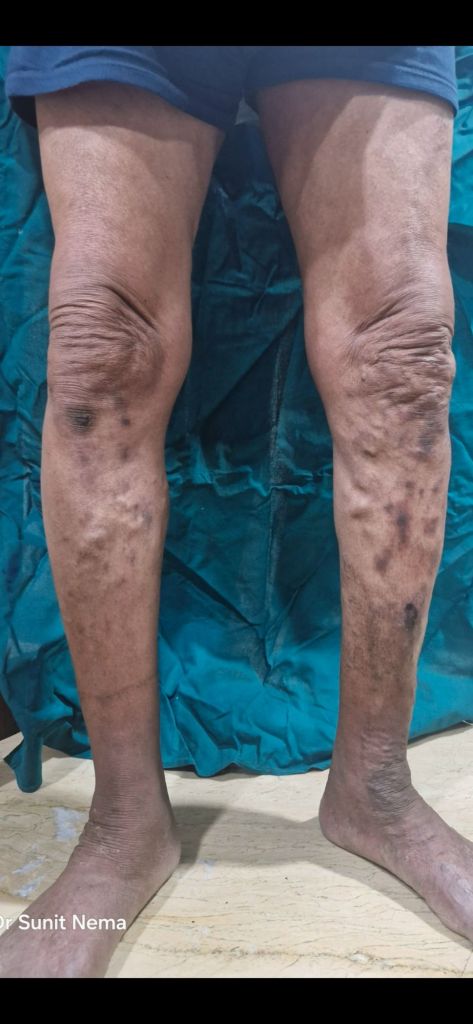
What causes dark patches on legs with varicose veins? वेरिकोस वेंस मैं पैरों पर काले धब्बे क्यों पड़ जाते हैं?

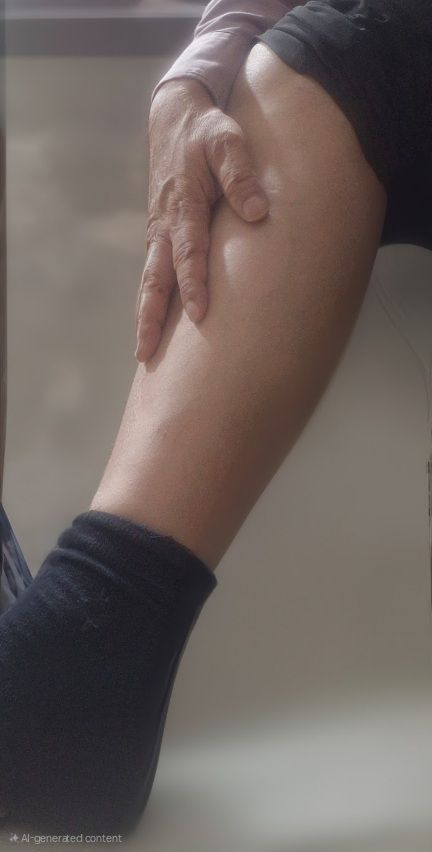
वेरिकोज़ वेन्स से प्रभावित पैरों पर काले धब्बे आमतौर पर क्रॉनिक वेनस इनसफिशिएंसी (Chronic Venous Insufficiency) के कारण होते हैं, जिसमें खून ठीक से दिल की ओर वापस नहीं लौट पाता और नसों में दबाव बढ़ जाता है। इस वजह से लाल रक्त कोशिकाएं आसपास के ऊतकों में रिसने लगती हैं। जब ये कोशिकाएं टूटती हैं, तो इनमें मौजूद आयरन से बना रंजक हेमोसिडरिन (Hemosiderin) जमा हो जाता है, जिससे त्वचा पर भूरे या काले धब्बे दिखाई देने लगते हैं।

इसके अलावा, लगातार दबाव और सूजन के कारण त्वचा में सूजन, खुजली और मोटापन आ सकता है, जिसे स्टेसिस डर्मेटाइटिस (Stasis Dermatitis) कहा जाता है। गंभीर मामलों में यह स्थिति लिपोडर्मेटोस्क्लेरोसिस (Lipodermatosclerosis) या वेनस अल्सर (Venous Ulcers) का रूप भी ले सकती है।

ऐसे लक्षणों से बचाव और सही इलाज के लिए आपको तुरंत जबलपुर के बेस्ट वैरिकोज़ वेन्स डॉक्टर (best varicose veins doctor in Jabalpur) से संपर्क करना चाहिए। उपचार में कम्प्रेशन स्टॉकिंग्स, पैरों को ऊँचा रखना, त्वचा पर लगाने वाली दवाएं, या फिर स्क्लेरोथेरेपी, लेजर ट्रीटमेंट, और वेन्स एब्लेशन जैसी आधुनिक प्रक्रियाएं शामिल हो सकती हैं। समय पर इलाज से पैरों की स्थिति और त्वचा की रंगत दोनों में सुधार लाया जा सकता है।

Dark patches on the legs affected by varicose veins are often a result of chronic venous insufficiency, where blood doesn’t flow properly back to the heart, leading to increased pressure in the veins. This causes red blood cells to leak into surrounding tissues. As these cells break down, they leave behind a dark iron-based pigment called hemosiderin, leading to brown or dark discoloration of the skin.

Additionally, the persistent pressure and inflammation can cause skin thickening, itching, and damage—a condition known as stasis dermatitis. In more advanced cases, this may progress to lipodermatosclerosis (hard, discolored skin) or even venous leg ulcers.

To prevent complications and get effective treatment, it’s essential to consult the best varicose veins doctor in Jabalpur. Treatment options may include compression stockings, leg elevation, topical medications, or advanced procedures like sclerotherapy, laser treatment, or vein ablation. Early medical attention can significantly improve both the appearance and health of your legs.

https://maps.app.goo.gl/zi59T6F1Jd4BAoj77

Uncategorized

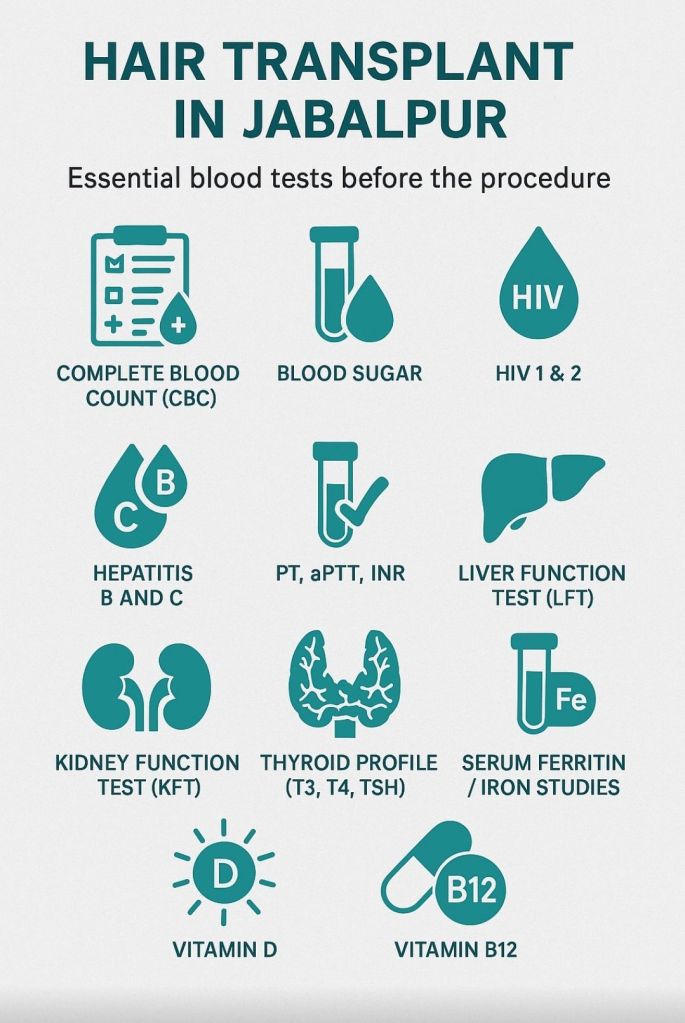
बाल प्रत्यारोपण से पहले कौन-कौन से ब्लड टेस्ट करवाने चाहिए?What blood tests must be done before hair transplant?

Before a hair transplant, several blood tests are typically recommended to ensure you’re fit for the procedure and to reduce the risk of complications. These may include:

  1. Complete Blood Count (CBC) – Checks for infections, anemia, or other blood disorders.
  2. Blood Sugar (Fasting/Random or HbA1c) – Evaluates for diabetes, which can affect healing.
  3. HIV 1 & 2 – To assess immune status and reduce transmission risks.
  4. Hepatitis B and C – Important for infection control.
  5. PT, aPTT, INR – Tests clotting ability to avoid bleeding issues.
  6. Liver Function Test (LFT) – Ensures liver health, especially if medications will be metabolized there.
  7. Kidney Function Test (KFT) – Checks for kidney health, which influences drug clearance.
  8. Thyroid Profile (T3, T4, TSH) – Since thyroid issues can contribute to hair loss.
  9. Serum Ferritin / Iron Studies – Low iron levels can cause or worsen hair loss.
  10. Vitamin D and Vitamin B12 – Deficiencies are common in people with hair thinning.

These tests help determine if you’re a suitable candidate and guide the doctor in planning the safest and most effective treatment. Do you have any specific health concerns or symptoms that might affect the transplant?

बाल प्रत्यारोपण से पहले, आपकी सेहत की स्थिति का आकलन करने और प्रक्रिया को सुरक्षित तरीके से करने के लिए कुछ आवश्यक ब्लड टेस्ट करवाना जरूरी होता है। इनमें निम्नलिखित शामिल हैं:

  1. सीबीसी (Complete Blood Count) – खून की कमी, संक्रमण या अन्य रक्त संबंधी विकारों की जांच के लिए।
  2. ब्लड शुगर (उपवास/रैंडम या HbA1c) – मधुमेह की जांच के लिए, क्योंकि यह घाव भरने की क्षमता को प्रभावित कर सकता है।
  3. एचआईवी 1 और 2 – प्रतिरक्षा स्थिति जानने और संक्रमण नियंत्रण के लिए।
  4. हेपेटाइटिस बी और सी – प्रक्रिया के दौरान संक्रमण का जोखिम कम करने के लिए।
  5. पीटी, एपीटीटी, आईएनआर (PT, aPTT, INR) – खून के थक्के बनने की क्षमता की जांच के लिए, ताकि अत्यधिक रक्तस्राव न हो।
  6. लीवर फंक्शन टेस्ट (LFT) – यह देखना कि यकृत ठीक से कार्य कर रहा है या नहीं।
  7. किडनी फंक्शन टेस्ट (KFT) – गुर्दों की कार्य क्षमता जांचने के लिए, क्योंकि दवाओं का निष्कासन इस पर निर्भर करता है।
  8. थायरॉइड प्रोफाइल (T3, T4, TSH) – थायरॉइड की समस्याएं भी बाल झड़ने का कारण बन सकती हैं।
  9. सीरम फेरिटिन / आयरन स्टडीज – शरीर में आयरन की मात्रा जानने के लिए, क्योंकि इसकी कमी बालों की गुणवत्ता पर असर डाल सकती है।
  10. विटामिन D और विटामिन B12 – इनकी कमी भी बालों के झड़ने का एक प्रमुख कारण हो सकती है।

इन सभी जांचों का उद्देश्य यह सुनिश्चित करना है कि आप बाल प्रत्यारोपण के लिए शारीरिक रूप से पूरी तरह उपयुक्त हैं और किसी भी संभावित जोखिम से बचा जा सके।

https://maps.app.goo.gl/PA9gTH9ZEi1PAoHG6

Uncategorized

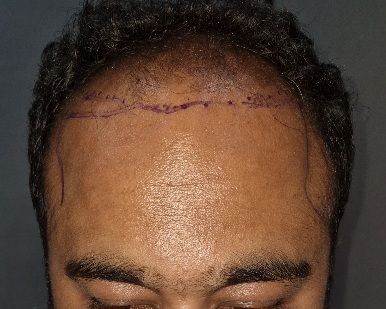
यहाँ पर हेयर ट्रांसप्लांट में हेयरलाइन की पोज़िशन कैसे तय की जाती है?How is the position of hairline decided in hair transplant?


हेयर ट्रांसप्लांट में हेयरलाइन की पोजिशन कैसे तय की जाती है:

हेयरलाइन को इस तरह डिज़ाइन किया जाता है कि वह चेहरे के साथ संतुलित और प्राकृतिक लगे। इसके लिए निम्नलिखित बातों का ध्यान रखा जाता है:

1. उम्र (Age):

  • कम उम्र के मरीजों के लिए हेयरलाइन को थोड़ा पीछे रखा जाता है ताकि भविष्य में होने वाले बालों के झड़ने को ध्यान में रखा जा सके।
  • बहुत आगे की हेयरलाइन उम्र बढ़ने पर अननैचुरल लग सकती है।

2. चेहरे का आकार और अनुपात (Facial Proportions):

  • हेयरलाइन तय करने के लिए “रूल ऑफ थर्ड्स” या “गोल्डन रेशियो” का उपयोग किया जाता है।
  • आमतौर पर हेयरलाइन भौहों के बीच (glabella) से 7.5 से 9 सेमी ऊपर तय की जाती है।

3. बाल झड़ने का पैटर्न (Hair Loss Pattern):

  • Norwood स्केल के आधार पर यह देखा जाता है कि बाल झड़ने का स्तर कितना है, जिससे हेयरलाइन की गहराई तय होती है।

4. बालों की बनावट (Hair Characteristics):

  • मोटे, घुंघराले या डार्क बालों से हेयरलाइन अधिक घनी और प्राकृतिक दिखती है, इसलिए इनकी प्रकृति भी डिज़ाइन में भूमिका निभाती है।

5. डोनर एरिया की उपलब्धता (Donor Area Availability):

  • उपलब्ध ग्राफ्ट्स की संख्या के अनुसार हेयरलाइन को इस तरह डिज़ाइन किया जाता है कि डोनर एरिया पर ज़्यादा बोझ न पड़े।

6. मरीज की पसंद (Patient Preference):

  • मरीज की इच्छा का भी सम्मान किया जाता है, लेकिन डॉक्टर इस पर पेशेवर और सौंदर्य विशेषज्ञ की तरह सलाह देते हैं ताकि हेयरलाइन नेचुरल लगे।

अगर आप भी नैचुरल और बैलेंस्ड हेयरलाइन के साथ हेयर ट्रांसप्लांट कराना चाहते हैं, तो जबलपुर में हेयर ट्रांसप्लांट के लिए बेस्ट हेयर क्लिनिक से संपर्क करें।


How the Hairline Position is Decided in a Hair Transplant:

The hairline is designed in a way that it looks balanced and natural with the face. The following factors are considered:

1. Age:

  • For younger patients, the hairline is placed slightly higher to account for future hair loss.
  • A very low hairline may look unnatural with aging.

2. Facial Shape and Proportions:

  • The “rule of thirds” or “golden ratio” is used to design a proportionate hairline.
  • Generally, the hairline is placed 7.5 to 9 cm above the glabella (the space between the eyebrows).

3. Pattern of Hair Loss:

  • Based on the Norwood scale, the level of baldness is evaluated to decide the depth and shape of the new hairline.

4. Hair Characteristics:

  • Thick, curly, or dark hair makes the hairline appear denser and more natural, so the nature of hair plays an important role.

5. Donor Area Availability:

  • The number of available grafts influences how forward or conservative the hairline can be, to avoid overharvesting the donor area.

6. Patient Preference:

  • The patient’s desired look is considered, but surgeons guide it with medical and aesthetic expertise to ensure the result looks natural.

**If you are looking for a natural and well-designed hairline, consult  the best hair Clinic in Jabalpur for hair transplant in Jabalpur.

https://maps.app.goo.gl/7TmRXDs3eEFU8sB49

Uncategorized

How long can leg pain persist after Varicose veins laser treatment?वैरिकोस वेन्स लेज़र ट्रीटमेंट के बाद पैर में दर्द कितने समय तक रह सकता है?


वैरिकोस वेन्स लेज़र ट्रीटमेंट के बाद टाइटनेस और दर्द कितने समय तक रह सकता है:

1. पहले कुछ दिन (0–3 दिन):

  • इलाज के बाद हल्का से मध्यम दर्द, टाइटनेस, सूजन और नीला पड़ना आम होता है।
  • टाइटनेस अक्सर नस की दीवारों के ठीक होने के कारण होती है।

2. 1–2 सप्ताह:

  • टाइटनेस और असहजता बनी रह सकती है, लेकिन धीरे-धीरे कम हो जाती है।
  • चलने या स्ट्रेचिंग करने पर खिंचाव जैसा महसूस हो सकता है।
  • आमतौर पर यह दर्द सामान्य दर्द निवारक दवाओं से कंट्रोल हो जाता है।

3. 3–6 सप्ताह:

  • अधिकतर मामलों में इस समय तक दर्द और टाइटनेस काफी हद तक खत्म हो जाते हैं।
  • कभी-कभी नस के रास्ते में हल्का टाइट या संवेदनशील एहसास बना रह सकता है।

4. 3 महीने तक:

  • दुर्लभ मामलों में, नस के पूरी तरह से अवशोषित होने तक, 12 सप्ताह यानी लगभग 3 महीने तक हल्का दर्द या खिंचाव महसूस हो सकता है।

यदि टाइटनेस या दर्द 6 सप्ताह के बाद भी बना रहता है या बढ़ता है, तो तुरंत डॉक्टर से परामर्श लें, ताकि गहरी नसों की रुकावट (DVT), नस की सूजन या संक्रमण जैसी संभावित जटिलताओं से बचा जा सके।

जबलपुर में किसी अनुभवी वैरिकोस वेन्स डॉक्टर से सलाह लें और इलाज के लिए जबलपुर के बेस्ट वैरिकोस वेन्स क्लिनिक पर जाएं, ताकि आपको सही जांच और फॉलोअप मिल सके।


After varicose veins laser treatment (Endovenous Laser Ablation, or EVLA/EVLT), it’s common to experience some tightness, pain, or discomfort in the treated leg. Here’s a general timeline:

1. First Few Days (0–3 days):

  • Mild to moderate pain, tightness, bruising, and swelling are common.
  • The tightness is often due to inflammation or healing of the vein walls.

2. 1–2 Weeks:

  • Tightness and soreness may persist but should gradually decrease.
  • You may feel a pulling sensation along the treated vein, especially when walking or stretching.
  • Discomfort is usually manageable with over-the-counter pain relievers.

3. 3–6 Weeks:

  • Most pain and tightness resolve by this time.
  • Some patients may still feel a mild tight or tender sensation along the treated vein.

4. Up to 3 Months:

  • In rare cases, tenderness, firmness, or mild pulling can persist up to 12 weeks as the body fully absorbs the closed vein.

If tightness or pain persists beyond 6 weeks or increases, it’s a good idea to consult your doctor to rule out complications like deep vein thrombosis (DVT), nerve irritation, or infection.

Would you like tips on how to relieve the discomfort faster?

https://maps.app.goo.gl/bUqPj89pMqFDxP7DA

Uncategorized

किशोर लड़कों में गाइनेकोमैस्टिया होने पर वे कौन-कौन सी मानसिक समस्याओं का सामना करते हैं?

गाइनेकोमैस्टिया से ग्रस्त किशोर लड़कों को कई मानसिक समस्याओं का सामना करना पड़ सकता है, जैसे:

  1. कम आत्म-सम्मान – अपनी शारीरिक बनावट को लेकर शर्म या हीन भावना महसूस करना।
  2. शारीरिक छवि की चिंता – खुद को ‘असामान्य’ या दूसरों से अलग महसूस करना।
  3. सामाजिक दूरी बनाना – मजाक या आलोचना के डर से दोस्तों या सार्वजनिक गतिविधियों से दूर रहना।
  4. बुलीइंग और चिढ़ाना – साथी छात्रों द्वारा मजाक उड़ाया जाना, जिससे मानसिक तनाव होता है।
  5. चिंता और अवसाद – लगातार शर्मिंदगी और सामाजिक समस्याएं मानसिक स्वास्थ्य को प्रभावित कर सकती हैं।
  6. लैंगिक पहचान को लेकर भ्रम (कुछ मामलों में) – शरीर में बदलाव को लेकर भ्रमित महसूस करना, हालांकि गाइनेकोमैस्टिया का लैंगिक पहचान से कोई संबंध नहीं होता।
  7. पढ़ाई पर असर – मानसिक तनाव के कारण पढ़ाई पर ध्यान केंद्रित करने में परेशानी हो सकती है।

इस स्थिति में परिवार, दोस्तों और मनोवैज्ञानिक सलाहकारों का सहयोग बहुत फायदेमंद हो सकता है।

Young boys with gynecomastia can face several psychological challenges, especially during adolescence—a time when self-image and peer acceptance are crucial. Some common psychological issues include:

  1. Low Self-Esteem:
    Boys may feel embarrassed or ashamed of their appearance, leading to poor self-confidence.
  2. Body Image Issues:
    Gynecomastia can distort how a boy perceives his body, making him feel “abnormal” or unattractive.
  3. Social Withdrawal:
    Fear of being teased or judged may cause boys to avoid social activities, especially those involving exposure like swimming or sports.
  4. Bullying and Teasing:
    Peers might mock or make fun of boys with gynecomastia, leading to emotional distress, anxiety, or even depression.
  5. Anxiety and Depression:
    Persistent embarrassment and social challenges can trigger deeper mental health issues over time.
  6. Gender Confusion or Identity Concerns (in some cases):
    A boy might feel confused or worried about what the breast development means for his gender identity, even though gynecomastia is unrelated to gender orientation or identity.
  7. Academic Impact:
    The emotional burden may interfere with concentration, motivation, or participation in school activities.

Support from family, friends, and school—along with counseling if needed—can help mitigate these effects and promote healthy coping strategies.

https://maps.app.goo.gl/49cxYyRFw6o8KpALA

Uncategorized

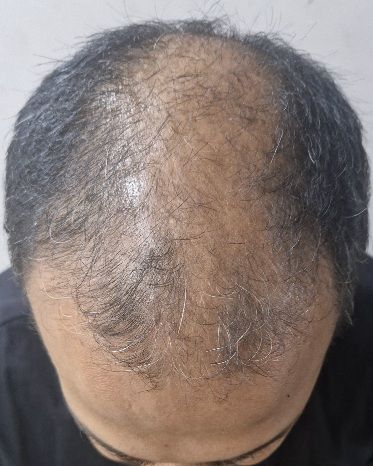
How is hair transplant possible for high grade of baldness? अत्याधिक गंजेपन के लिए हेयर ट्रांसप्लांट कैसे संभव है

उच्च ग्रेड गंजेपन (जैसे Norwood ग्रेड 6 या 7) में हेयर ट्रांसप्लांट संभव है, लेकिन इसके लिए कुछ ज़रूरी शर्तें और सीमाएं होती हैं। नीचे विस्तार से समझाया गया है:


1. डोनर एरिया सबसे महत्वपूर्ण होता है

यहां तक कि उच्च ग्रेड गंजेपन में भी, सिर के पीछे और किनारों पर बाल (डोनर ज़ोन) आमतौर पर सुरक्षित रहते हैं। ये बाल DHT (गंजेपन का कारण बनने वाला हार्मोन) के प्रति रेजिस्टेंट होते हैं।

  • अच्छा डोनर डेंसिटी होना बहुत ज़रूरी है। अगर डोनर एरिया कमज़ोर है तो ट्रांसप्लांट के विकल्प सीमित हो जाते हैं।

2. हेयर ट्रांसप्लांट की तकनीकें

  • FUE (Follicular Unit Extraction): बालों को एक-एक यूनिट में निकाला और लगाया जाता है।
  • FUT (Follicular Unit Transplantation): स्कैल्प की एक पट्टी निकाली जाती है और उसमें से ग्राफ्ट लिए जाते हैं।

उच्च ग्रेड गंजेपन में FUT से ज़्यादा ग्राफ्ट मिल सकते हैं, लेकिन FUE को कम स्कारिंग और रिकवरी के लिए ज़्यादा पसंद किया जाता है।


3. गंजे क्षेत्र के लिए ग्राफ्ट्स की ज़रूरत

  • ग्रेड 6–7 में लगभग 4000 से 6000+ ग्राफ्ट्स की ज़रूरत होती है।
  • यदि ज़रूरी हो, तो हेयर ट्रांसप्लांट को 2 सेशंस में किया जा सकता है।

4. बॉडी हेयर ट्रांसप्लांट (BHT)

अगर स्कैल्प का डोनर एरिया पर्याप्त नहीं है:

  • दाढ़ी, छाती या शरीर के अन्य हिस्सों से बाल लिए जा सकते हैं।
  • विशेष रूप से दाढ़ी के बाल मोटे होते हैं और स्कैल्प के लिए उपयुक्त होते हैं।

5. नेचुरल और रियलिस्टिक हेयरलाइन डिज़ाइन

  • हाई ग्रेड गंजेपन में अक्सर सिंपल और मैच्योर हेयरलाइन डिज़ाइन की जाती है ताकि बालों का सही उपयोग हो और लुक नैचुरल लगे।
  • पूरे सिर पर हाई डेंसिटी बनाना हमेशा संभव नहीं होता।

6. वैकल्पिक उपाय

  • स्कैल्प माइक्रोपिगमेंटेशन (SMP): बालों की घनता का भ्रम पैदा करने के लिए टैटू तकनीक।
  • हेयर सिस्टम/विग: यदि डोनर क्षेत्र बहुत कमज़ोर हो।
  • मेडिकल थेरेपी: मिनॉक्सिडिल और फिनास्टराइड जैसे उपचार बालों को बनाए रखने में मदद कर सकते हैं।

अगर आप जबलपुर में हेयर ट्रांसप्लांट पर विचार कर रहे हैं, तो किसी अनुभवी हेयर ट्रांसप्लांट सर्जन से कंसल्ट करना जरूरी है। वे आपके डोनर एरिया का मूल्यांकन कर एक रियलिस्टिक और कस्टमाइज़्ड प्लान तैयार कर सकते हैं।

अगर चाहें तो आप तस्वीर भेज सकते हैं (क्राउन, टॉप, डोनर एरिया), जिससे मैं आपको और सटीक जानकारी दे सकूं।

Hair transplant for high-grade baldness (like Norwood grade 6 or 7) is possible, but it comes with certain limitations and requirements. Here’s how it generally works:

1. Donor Area Matters Most

Even in high-grade baldness, hair at the back and sides of the head (the “donor zone”) usually remains intact. These hairs are genetically resistant to DHT (the hormone that causes balding).

  • A good donor density is crucial. If the donor area is weak or sparse, options become limited.

2. Types of Hair Transplant Techniques

  • FUE (Follicular Unit Extraction): Individual follicles are extracted and implanted.
  • FUT (Follicular Unit Transplantation): A strip of scalp is removed, follicles extracted from it, and implanted.

For large areas, FUT can yield more grafts, but many prefer FUE for less scarring.

3. Number of Grafts Needed

  • Grade 6–7 baldness may need 4,000 to 6,000+ grafts to cover the bald area.
  • Often, 2 sessions may be required if donor supply allows.

4. Body Hair Transplant (BHT)

If scalp donor area is insufficient:

  • Hair from chest, beard, or other body parts can be used.
  • Beard hair is often thick and a good match for scalp use.

5. Designing a Realistic Hairline

  • For high-grade baldness, surgeons usually go for a mature, conservative hairline to maximize graft use and ensure natural appearance.
  • Full density across the entire scalp is not always realistic, especially with limited donor hair.

6. Alternatives/Adjuncts

  • Scalp micropigmentation (SMP): Tattooing to create illusion of density.
  • Hair systems/wigs: If donor supply is poor or transplant is not viable.
  • Medical therapy: Minoxidil and finasteride to preserve existing hair or improve transplant outcomes.

If you’re considering this, a consultation with a qualified hair transplant surgeon is essential. They can assess your donor area, graft requirement, and give a realistic picture of what’s achievable.

Would you like to share a photo (crown, top, donor area)? I can give a better estimate if you want.

https://maps.app.goo.gl/aArKSiV4drvkii9SA

Uncategorized

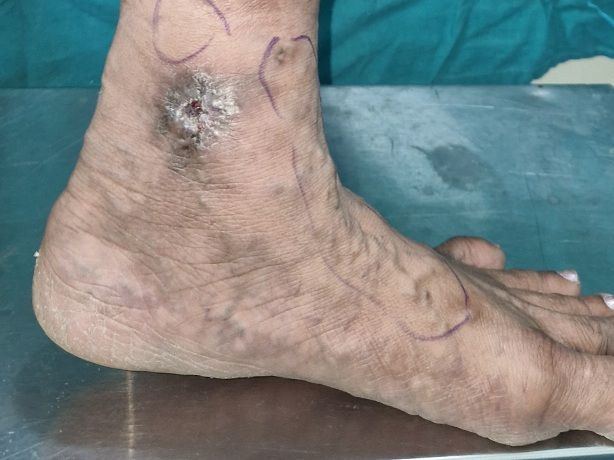
When will venous ulcer heal after varicose vein treatment? वेरिकोस वेंस के ट्रीटमेंट के कितने दिन बाद जख्म ठीक होते हैं?

ईवीएलए (एंडोवेनस लेज़र एब्लेशन) और स्क्लेरोथेरेपी (इंजेक्शन थेरेपी) के बाद वेरिकोज वेन्स के कारण बने वेनस अल्सर (घाव) के भरने में कितना समय लगेगा, यह कई बातों पर निर्भर करता है, लेकिन सामान्य रूप से:


सामान्य उपचार अवधि

  • ज्यादातर वेनस अल्सर 2 से 4 सप्ताह के भीतर भरना शुरू कर देते हैं।
  • पूरी तरह से ठीक होने में 6 से 12 सप्ताह लग सकते हैं।
  • यह समय इस पर निर्भर करता है:
    • घाव का आकार और गहराई
    • यह घाव कितने समय से है (पुराने घाव को भरने में ज़्यादा समय लगता है)
    • मरीज की संपूर्ण सेहत (डायबिटीज़, स्मोकिंग या कमजोर रक्त संचार से उपचार धीमा हो सकता है)
    • इलाज के बाद की देखभाल, जैसे कि कम्प्रेशन थेरेपी का उपयोग

तेजी से घाव भरने के लिए जरूरी बातें

  • कम्प्रेशन थेरेपी (बैंडेज या कम्प्रेशन स्टॉकिंग्स) का नियमित उपयोग
  • घाव की सही तरह से सफाई और ड्रेसिंग
  • आराम करते समय पैरों को ऊपर रखना ताकि पैरों में रक्त का दबाव कम हो
  • पौष्टिक आहार और भरपूर पानी पीना जिससे त्वचा और ऊतकों की मरम्मत तेज हो
  • यदि डायबिटीज़ है तो ब्लड शुगर को नियंत्रण में रखना

फॉलो-अप और निगरानी

  • किसी विशेषज्ञ वेसक्युलर सर्जन या वाउंड केयर स्पेशलिस्ट से नियमित फॉलो-अप बहुत जरूरी है।
  • यदि 12 सप्ताह के भीतर घाव नहीं भरता है, तो आगे की जांच की आवश्यकता हो सकती है।

समय पर और उचित देखभाल के लिए किसी अनुभवी varicose veins doctor in Jabalpur से परामर्श लेना चाहिए। बेहतर परिणाम और न्यूनतम जटिलताओं के लिए एक कुशल और अनुभवी varicose vein surgeon in Jabalpur द्वारा इलाज कराना सबसे उपयुक्त होता है।

The healing time for venous ulcers after Endovenous Laser Ablation (EVLA) and sclerotherapy (injection therapy) for varicose veins depends on several factors, but here’s a general overview:


Typical Healing Time

  • Most venous ulcers begin to heal within 2–4 weeks after EVLA and/or injection therapy.
  • Complete healing can take 6 to 12 weeks, depending on:
    • Size and depth of the ulcer.
    • Duration before treatment (chronic ulcers may take longer).
    • Patient’s overall health (diabetes, smoking, poor circulation may delay healing).
    • Use of compression therapy post-procedure.

Important Tips to Speed Healing

  • Strict compression therapy (bandages or stockings) is critical.
  • Wound care (cleansing, dressings) must be done regularly.
  • Leg elevation when resting helps reduce venous pressure.
  • Healthy diet and hydration support tissue repair.
  • Control blood sugar if diabetic.

Follow-Up

  • Regular monitoring by your vascular surgeon or wound care specialist is essential.
  • In cases where ulcers don’t heal within 12 weeks, further evaluation may be needed.

https://maps.app.goo.gl/CXajjBKeHKZajorL8

Uncategorized

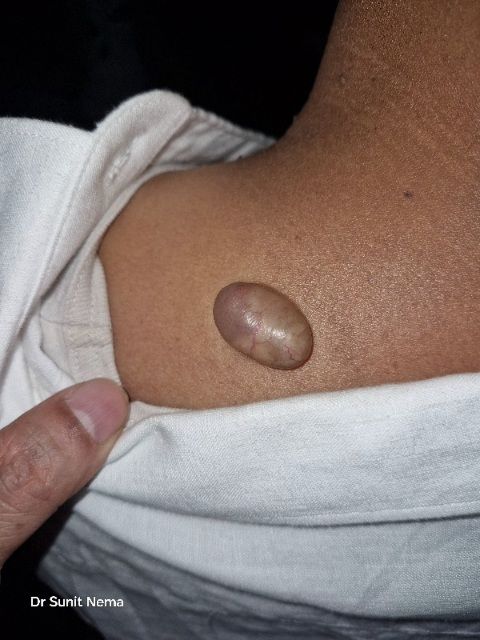
Sebaceous cyst of back

A sebaceous cyst on the back is a common, non-cancerous lump under the skin. It’s typically caused by a blocked sebaceous (oil) gland and is filled with a soft, yellowish, oily substance called keratin.

Features of a Sebaceous Cyst:

  • Usually painless (unless infected)
  • Soft, round bump under the skin
  • May have a visible central pore (called a punctum)
  • Can vary in size – from a few millimeters to several centimeters
  • Moves slightly under the skin when pressed

What Causes It?

  • Blocked hair follicles or oil glands
  • Trauma or irritation to the skin
  • Sometimes, no clear cause

Treatment Options:

  1. Leave it alone if it’s small and not painful.
  2. Warm compresses to reduce swelling and help drainage (if it’s inflamed).
  3. Medical removal (definitive treatment):
    • Minor surgery under local anesthesia
    • Removes the entire cyst wall to prevent recurrence
  4. Antibiotics may be given if it’s infected (swollen, red, painful, and warm).

When to See a Doctor:

  • It gets painful, red, or starts draining pus
  • It keeps growing
  • It recurs often
  • You want it removed for cosmetic or comfort reasons

Let me know if you want to see pictures or learn about aftercare post-removal.

पीठ पर सेबेशियस सिस्ट एक आम, गैर-कैंसरयुक्त गांठ होती है जो त्वचा के नीचे बनती है। यह आमतौर पर एक बंद सेबेशियस (तेल) ग्रंथि के कारण होती है और इसमें एक नरम, पीले रंग का तैलीय पदार्थ भरा होता है जिसे केराटिन कहा जाता है।

सेबेशियस सिस्ट के लक्षण:

  • आमतौर पर बिना दर्द के (जब तक संक्रमित न हो)
  • त्वचा के नीचे एक गोल, मुलायम उभार
  • कभी-कभी इसके केंद्र में एक छोटा छेद (पंक्टम) दिखता है
  • आकार में कुछ मिलीमीटर से लेकर कई सेंटीमीटर तक हो सकता है
  • दबाने पर थोड़ा हिल सकता है

कारण:

  • बालों की जड़ों या तेल ग्रंथियों का बंद हो जाना
  • त्वचा में चोट या जलन
  • कई बार बिना किसी स्पष्ट कारण के भी बन सकते हैं

उपचार के विकल्प:

  1. अगर सिस्ट छोटा है और दर्द नहीं कर रहा तो इसे ऐसे ही छोड़ा जा सकता है।
  2. गर्म पानी की सिकाई से सूजन कम हो सकती है और यदि हल्का संक्रमण हो तो वह अपने आप निकल सकता है।
  3. स्थायी इलाज – सर्जिकल हटाना:
    • लोकल एनेस्थीसिया देकर एक छोटा ऑपरेशन किया जाता है
    • पूरी सिस्ट को उसके खोल (cyst wall) सहित हटाया जाता है ताकि यह दोबारा न हो
  4. एंटीबायोटिक्स तब दी जाती हैं जब सिस्ट संक्रमित हो (लाल, सूजन, दर्द और गर्माहट के साथ पस आना)

डॉक्टर को कब दिखाएं:

  • अगर सिस्ट दर्दनाक, लाल या पस से भरा हो जाए
  • अगर इसका आकार लगातार बढ़ता जाए
  • अगर यह बार-बार हो रहा हो
  • अगर आप इसे सौंदर्य या असुविधा के कारण हटवाना चाहते हैं

इसका सबसे अच्छा इलाज किसी अनुभवी प्लास्टिक सर्जन से करवाना होता है, ताकि सर्जरी के बाद दाग कम से कम हो और सिस्ट दोबारा न हो।

कीवर्ड्स: plastic surgeon in Jabalpur, सेबेशियस सिस्ट का इलाज, पीठ पर गांठ, सिस्ट हटवाने की सर्जरी, जबलपुर में प्लास्टिक सर्जन।

https://maps.app.goo.gl/FRz8PG3WANkqWrBt6

Uncategorized

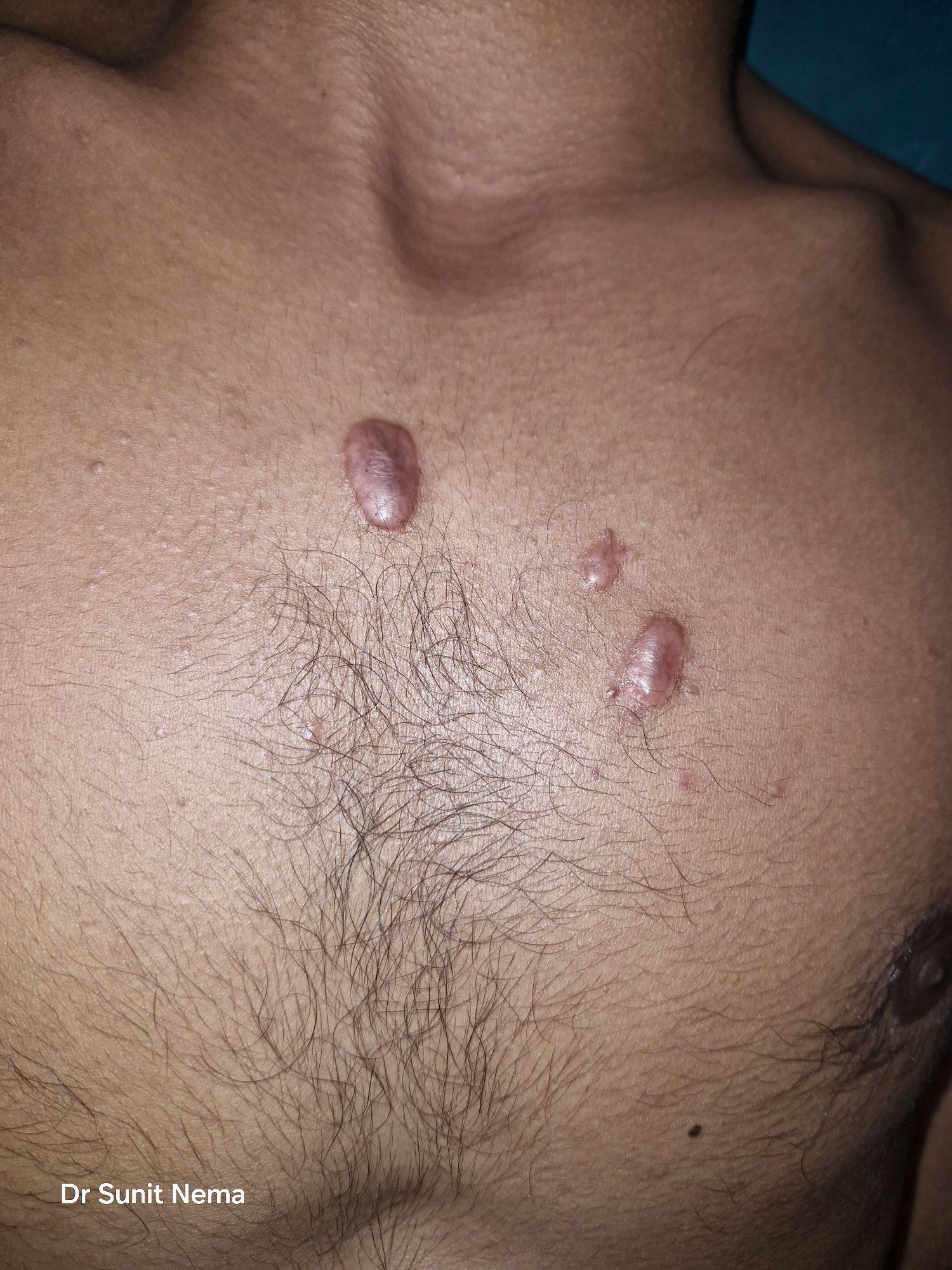
What happens if chest keloids are not treated properly?

यदि छाती के कीलोइड का सही तरीके से इलाज नहीं किया जाता है, तो वे बढ़ सकते हैं, अधिक उभरे हुए हो सकते हैं और लगातार परेशानी का कारण बन सकते हैं। जटिलताओं से बचने के लिए कीलोइड उपचार के लिए जबलपुर में सर्वश्रेष्ठ प्लास्टिक सर्जन से परामर्श करना आवश्यक है। यदि कीलोइड का समय पर इलाज नहीं किया जाता है, तो निम्नलिखित समस्याएं हो सकती हैं:

  1. आकार में वृद्धि और कठोरता – कीलोइड घाव के मूल आकार से बड़े हो सकते हैं और समय के साथ कठोर हो सकते हैं, जिससे बाद में उनका इलाज करना और अधिक कठिन हो जाता है।
  2. दर्द और खुजली – बिना इलाज के कीलोइड लगातार खुजली, कोमलता या तंत्रिका जलन के कारण दर्द पैदा कर सकते हैं।
  3. गतिशीलता में कमी – बड़े कीलोइड छाती पर जकड़न पैदा कर सकते हैं, जिससे लचीलेपन और गति में बाधा आ सकती है, विशेष रूप से जोड़ों के पास या खिंचाव वाले क्षेत्रों में।
  4. मनोवैज्ञानिक प्रभाव – बड़े और बढ़ते कीलोइड आत्मविश्वास को प्रभावित कर सकते हैं और सामाजिक परिस्थितियों में तनाव या चिंता का कारण बन सकते हैं।
  5. पुनरावृत्ति का अधिक जोखिम – यदि कीलोइड का शीघ्र उपचार उचित विधियों (जैसे सिलिकॉन शीट्स, स्टेरॉयड इंजेक्शन, लेजर थेरेपी) से नहीं किया जाता है, तो वे उपचार के लिए अधिक प्रतिरोधी हो सकते हैं और हटाने के बाद वापस आ सकते हैं।
  6. संक्रमण का जोखिम – हालांकि कीलोइड स्वयं संक्रमण नहीं होते, लेकिन बार-बार जलन, खुजली या घरेलू उपचार के प्रयास घाव का कारण बन सकते हैं, जिससे संक्रमण का खतरा बढ़ सकता है।

इलाज की गंभीरता के अनुसार उचित उपचार किया जाता है, लेकिन कीलोइड उपचार के लिए जबलपुर में प्लास्टिक सर्जन से समय पर परामर्श लेने से बेहतर परिणाम मिल सकते हैं। लेजर थेरेपी, स्टेरॉयड इंजेक्शन और सर्जिकल रिमूवल जैसे आधुनिक उपचार कीलोइड को प्रभावी रूप से प्रबंधित करने में मदद कर सकते हैं।

If chest keloids are not treated properly, they can continue to grow, become more raised, and cause persistent discomfort. Consulting the best plastic surgeon in Jabalpur for keloid treatment is crucial to prevent complications. Here’s what might happen if keloids are left untreated:

  1. Increased Size & Hardening – Keloids can expand beyond the original wound and become harder over time, making them more difficult to treat later.
  2. Pain & Itching – Untreated keloids can cause chronic itching, tenderness, or pain due to nerve irritation.
  3. Restricted Movement – Large keloids on the chest can cause tightness, limiting flexibility and movement, especially if they form near joints or in areas that stretch.
  4. Psychological Impact – Visible, growing keloids can affect self-confidence and lead to stress or anxiety, particularly in social situations.
  5. Higher Risk of Recurrence – If keloids are not treated early with the right approach (e.g., silicone sheets, steroid injections, laser therapy), they may become more resistant to treatment and have a higher chance of returning after removal.
  6. Infection Risk – While keloids themselves are not infections, frequent irritation, scratching, or attempts at home removal can cause wounds that increase infection risk.

Proper treatment depends on the severity, but early intervention with a plastic surgeon in Jabalpur for keloid treatment often leads to better results. Advanced procedures like laser therapy, steroid injections, and surgical removal can help manage keloids effectively.

https://maps.app.goo.gl/LvUN2K9P3z3YkZWT7