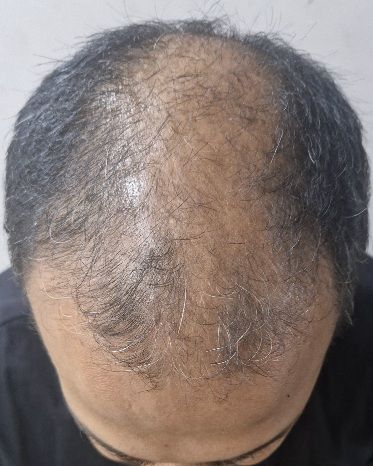
उच्च ग्रेड गंजेपन (जैसे Norwood ग्रेड 6 या 7) में हेयर ट्रांसप्लांट संभव है, लेकिन इसके लिए कुछ ज़रूरी शर्तें और सीमाएं होती हैं। नीचे विस्तार से समझाया गया है:
1. डोनर एरिया सबसे महत्वपूर्ण होता है
यहां तक कि उच्च ग्रेड गंजेपन में भी, सिर के पीछे और किनारों पर बाल (डोनर ज़ोन) आमतौर पर सुरक्षित रहते हैं। ये बाल DHT (गंजेपन का कारण बनने वाला हार्मोन) के प्रति रेजिस्टेंट होते हैं।
- अच्छा डोनर डेंसिटी होना बहुत ज़रूरी है। अगर डोनर एरिया कमज़ोर है तो ट्रांसप्लांट के विकल्प सीमित हो जाते हैं।
2. हेयर ट्रांसप्लांट की तकनीकें
- FUE (Follicular Unit Extraction): बालों को एक-एक यूनिट में निकाला और लगाया जाता है।
- FUT (Follicular Unit Transplantation): स्कैल्प की एक पट्टी निकाली जाती है और उसमें से ग्राफ्ट लिए जाते हैं।
उच्च ग्रेड गंजेपन में FUT से ज़्यादा ग्राफ्ट मिल सकते हैं, लेकिन FUE को कम स्कारिंग और रिकवरी के लिए ज़्यादा पसंद किया जाता है।
3. गंजे क्षेत्र के लिए ग्राफ्ट्स की ज़रूरत
- ग्रेड 6–7 में लगभग 4000 से 6000+ ग्राफ्ट्स की ज़रूरत होती है।
- यदि ज़रूरी हो, तो हेयर ट्रांसप्लांट को 2 सेशंस में किया जा सकता है।
4. बॉडी हेयर ट्रांसप्लांट (BHT)
अगर स्कैल्प का डोनर एरिया पर्याप्त नहीं है:
- दाढ़ी, छाती या शरीर के अन्य हिस्सों से बाल लिए जा सकते हैं।
- विशेष रूप से दाढ़ी के बाल मोटे होते हैं और स्कैल्प के लिए उपयुक्त होते हैं।
5. नेचुरल और रियलिस्टिक हेयरलाइन डिज़ाइन
- हाई ग्रेड गंजेपन में अक्सर सिंपल और मैच्योर हेयरलाइन डिज़ाइन की जाती है ताकि बालों का सही उपयोग हो और लुक नैचुरल लगे।
- पूरे सिर पर हाई डेंसिटी बनाना हमेशा संभव नहीं होता।
6. वैकल्पिक उपाय
- स्कैल्प माइक्रोपिगमेंटेशन (SMP): बालों की घनता का भ्रम पैदा करने के लिए टैटू तकनीक।
- हेयर सिस्टम/विग: यदि डोनर क्षेत्र बहुत कमज़ोर हो।
- मेडिकल थेरेपी: मिनॉक्सिडिल और फिनास्टराइड जैसे उपचार बालों को बनाए रखने में मदद कर सकते हैं।
अगर आप जबलपुर में हेयर ट्रांसप्लांट पर विचार कर रहे हैं, तो किसी अनुभवी हेयर ट्रांसप्लांट सर्जन से कंसल्ट करना जरूरी है। वे आपके डोनर एरिया का मूल्यांकन कर एक रियलिस्टिक और कस्टमाइज़्ड प्लान तैयार कर सकते हैं।
अगर चाहें तो आप तस्वीर भेज सकते हैं (क्राउन, टॉप, डोनर एरिया), जिससे मैं आपको और सटीक जानकारी दे सकूं।
Hair transplant for high-grade baldness (like Norwood grade 6 or 7) is possible, but it comes with certain limitations and requirements. Here’s how it generally works:
1. Donor Area Matters Most
Even in high-grade baldness, hair at the back and sides of the head (the “donor zone”) usually remains intact. These hairs are genetically resistant to DHT (the hormone that causes balding).
- A good donor density is crucial. If the donor area is weak or sparse, options become limited.
2. Types of Hair Transplant Techniques
- FUE (Follicular Unit Extraction): Individual follicles are extracted and implanted.
- FUT (Follicular Unit Transplantation): A strip of scalp is removed, follicles extracted from it, and implanted.
For large areas, FUT can yield more grafts, but many prefer FUE for less scarring.
3. Number of Grafts Needed
- Grade 6–7 baldness may need 4,000 to 6,000+ grafts to cover the bald area.
- Often, 2 sessions may be required if donor supply allows.
4. Body Hair Transplant (BHT)
If scalp donor area is insufficient:
- Hair from chest, beard, or other body parts can be used.
- Beard hair is often thick and a good match for scalp use.
5. Designing a Realistic Hairline
- For high-grade baldness, surgeons usually go for a mature, conservative hairline to maximize graft use and ensure natural appearance.
- Full density across the entire scalp is not always realistic, especially with limited donor hair.
6. Alternatives/Adjuncts
- Scalp micropigmentation (SMP): Tattooing to create illusion of density.
- Hair systems/wigs: If donor supply is poor or transplant is not viable.
- Medical therapy: Minoxidil and finasteride to preserve existing hair or improve transplant outcomes.
If you’re considering this, a consultation with a qualified hair transplant surgeon is essential. They can assess your donor area, graft requirement, and give a realistic picture of what’s achievable.
Would you like to share a photo (crown, top, donor area)? I can give a better estimate if you want.
 Dr Nema Hair, Laser & Cosmetic Surgery Clinic
Leave a comment