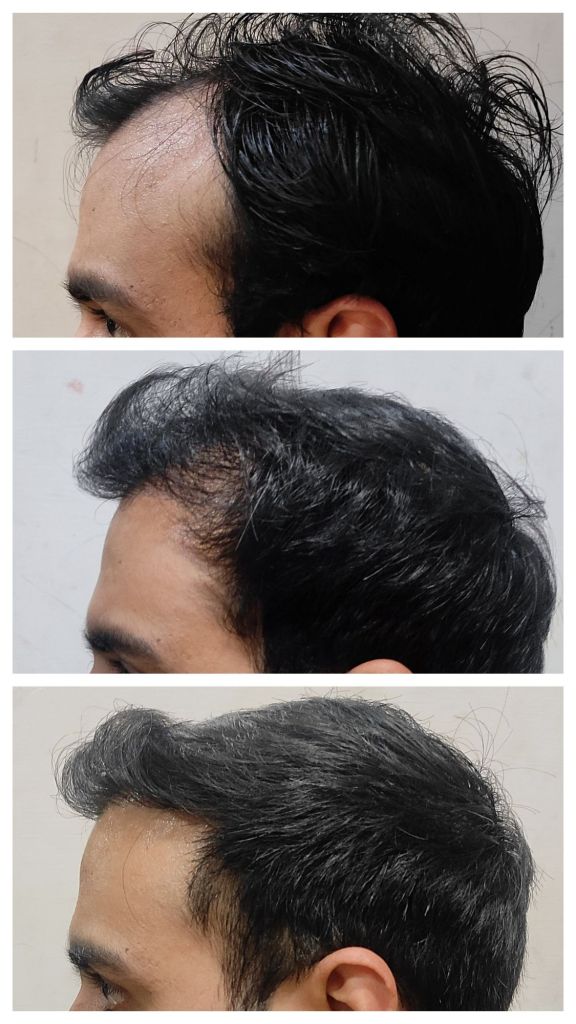
The density you can expect after a hair transplant depends on several factors, including the method used, the skill of the surgeon, the quality of your donor hair, and the size of the recipient area. On average:
1. Number of Grafts Transplanted
FUE (Follicular Unit Extraction): Around 30–45 grafts per square centimeter.
FUT (Follicular Unit Transplantation): Around 40–60 grafts per square centimeter.
A single graft typically contains 1–4 hairs, depending on its natural grouping.
2. Ideal Density Goals
Natural hair density is around 90–120 follicular units per square centimeter, but this level is often impractical in a transplant due to donor limitations.
Hair transplant surgeons aim to achieve a density of 35–60 follicular units per square centimeter to create a natural appearance.
3. Factors Affecting Results
Donor Area Quality: The density and health of hair in the donor area significantly influence the outcome.
Hair Characteristics: Thick, coarse, or curly hair can provide better coverage than fine, straight hair.
Size of the Balding Area: The larger the area to be covered, the more diluted the density will be unless you have a sufficient donor supply.
Surgeon’s Expertise: An experienced surgeon can optimize graft placement for a more natural and dense appearance.
4. Visual Impact
Hair transplants often focus on the frontal hairline and crown, as these are the most visible areas.
Full density restoration like natural hair isn’t always achievable, but skilled surgeons can create the illusion of density using strategic placement.
5. Final Results
Hair density improves over time as transplanted grafts grow. Full results typically take 12–18 months to be visible.
You may require multiple sessions if you have advanced hair loss and want higher density.
Consult with a qualified hair transplant specialist to understand your realistic expectations based on your individual hair characteristics and needs.
बाल प्रत्यारोपण (Hair Transplant) के बाद मिलने वाला घनत्व कई कारकों पर निर्भर करता है, जैसे इस्तेमाल की गई विधि, सर्जन की विशेषज्ञता, डोनर बालों की गुणवत्ता, और जिस क्षेत्र में बाल लगाए जाने हैं उसका आकार। सामान्यतः:
1. ग्राफ्ट्स की संख्या
FUE (Follicular Unit Extraction): लगभग 30–45 ग्राफ्ट प्रति वर्ग सेंटीमीटर।
FUT (Follicular Unit Transplantation): लगभग 40–60 ग्राफ्ट प्रति वर्ग सेंटीमीटर।
एक ग्राफ्ट में आमतौर पर 1–4 बाल होते हैं, जो उनके प्राकृतिक समूह पर निर्भर करता है।
2. आदर्श घनत्व का लक्ष्य
प्राकृतिक बालों का घनत्व लगभग 90–120 फॉलिकुलर यूनिट प्रति वर्ग सेंटीमीटर होता है, लेकिन डोनर की सीमितता के कारण यह प्रत्यारोपण में संभव नहीं है।
सर्जन आमतौर पर 35–60 फॉलिकुलर यूनिट प्रति वर्ग सेंटीमीटर का घनत्व प्राप्त करने का प्रयास करते हैं ताकि प्राकृतिक दिखने वाला परिणाम मिले।
3. परिणामों को प्रभावित करने वाले कारक
डोनर क्षेत्र की गुणवत्ता: डोनर क्षेत्र के बालों का घनत्व और स्वास्थ्य परिणामों को काफी हद तक प्रभावित करता है।
बालों की विशेषताएँ: मोटे, घुंघराले बाल पतले, सीधे बालों की तुलना में बेहतर कवरेज प्रदान करते हैं।
गंजेपन वाले क्षेत्र का आकार: जितना बड़ा क्षेत्र होगा, उतना ही घनत्व कम होगा जब तक कि पर्याप्त डोनर बाल उपलब्ध न हों।
सर्जन की विशेषज्ञता: एक अनुभवी सर्जन ग्राफ्ट को इस तरह से लगा सकता है कि परिणाम अधिक प्राकृतिक और घने लगें।
4. दृश्य प्रभाव
बाल प्रत्यारोपण अक्सर फ्रंटल हेयरलाइन और क्राउन पर केंद्रित होता है क्योंकि ये सबसे अधिक दिखाई देने वाले क्षेत्र होते हैं।
प्राकृतिक बालों की तरह पूरा घनत्व प्राप्त करना हमेशा संभव नहीं होता, लेकिन एक कुशल सर्जन रणनीतिक रूप से घनत्व का भ्रम पैदा कर सकता है।
5. अंतिम परिणाम
जैसे-जैसे लगाए गए बाल बढ़ते हैं, घनत्व समय के साथ बेहतर होता है। पूरी तरह से परिणाम देखने में 12–18 महीने लगते हैं।
यदि बालों का झड़ना अधिक है और आप उच्च घनत्व चाहते हैं, तो आपको कई सत्रों की आवश्यकता हो सकती है।
अपनी बालों की विशेषताओं और आवश्यकताओं के आधार पर यथार्थवादी अपेक्षाओं को समझने के लिए एक योग्य हेयर ट्रांसप्लांट विशेषज्ञ से परामर्श करें।
 Dr Nema Hair, Laser & Cosmetic Surgery Clinic
Leave a comment