Thyroid disorders, such as hypothyroidism (underactive thyroid) and hyperthyroidism (overactive thyroid), can cause hair loss. Thyroid hormones play a crucial role in regulating the growth cycle of hair, so any imbalance can disrupt this cycle and lead to hair thinning or shedding.
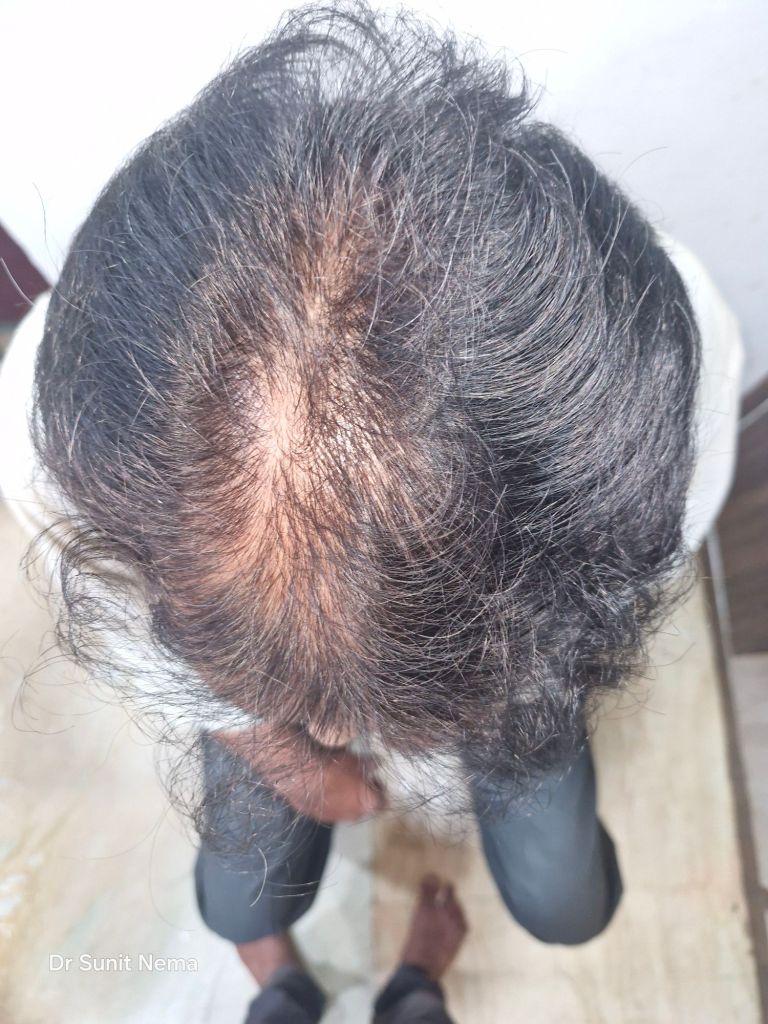
How Thyroid Disorders Cause Hair Loss
1. Hormonal Imbalance:
Thyroid hormones (T3 and T4) regulate the growth phase (anagen) of the hair cycle. An imbalance may cause the hair to prematurely enter the resting phase (telogen), leading to shedding.
Prolonged imbalances can cause diffuse hair thinning (generalized hair loss across the scalp).
2. Nutritional Deficiencies:
Thyroid dysfunction can lead to deficiencies in iron, zinc, and other nutrients essential for hair health.
Low levels of ferritin (iron stores) are commonly linked to hair thinning in people with hypothyroidism.
3. Autoimmune Conditions:
Autoimmune thyroid diseases, such as Hashimoto’s thyroiditis (hypothyroidism) or Graves’ disease (hyperthyroidism), may trigger other autoimmune conditions like alopecia areata, which causes patchy hair loss.
Signs of Hair Loss Linked to Thyroid Disorders
Diffuse thinning of hair on the scalp (more noticeable in hypothyroidism).
Dry, brittle, or coarse hair (often with hypothyroidism).
Fine, soft, or thinning hair with excessive shedding (often with hyperthyroidism).
Loss of eyebrows, particularly on the outer edges (hypothyroidism).
Managing Hair Loss from Thyroid Disorders
1. Treat the Underlying Condition:
Work with a healthcare provider to regulate thyroid hormone levels with medications such as levothyroxine (for hypothyroidism) or antithyroid drugs (for hyperthyroidism).
2. Ensure Proper Nutrition:
Incorporate foods rich in iron, zinc, biotin, and vitamins A, D, E, and C.
Consider supplements for deficiencies, but consult a doctor first.
3. Hair Care Tips:
Use gentle, sulfate-free shampoos and avoid harsh treatments.
Minimize heat styling and chemical processing.
4. Address Autoimmune Issues:
If hair loss is due to autoimmune conditions like alopecia areata, treatments like corticosteroids, topical minoxidil, or immunotherapy might help.
5. Patience:
Hair regrowth may take 3–6 months after stabilizing thyroid levels.
If hair loss persists despite managing thyroid levels, consult a dermatologist to rule out other contributing factors like androgenetic alopecia or telogen effluvium.
थायरॉइड विकार और बाल झड़ना
थायरॉइड विकार, जैसे हाइपोथायरॉइडिज्म (थायरॉइड का कम सक्रिय होना) और हाइपरथायरॉइडिज्म (थायरॉइड का अत्यधिक सक्रिय होना), बाल झड़ने का कारण बन सकते हैं। थायरॉइड हार्मोन बालों के विकास चक्र को नियंत्रित करते हैं, इसलिए हार्मोन असंतुलन इस चक्र को बाधित कर सकता है और बालों के पतले होने या झड़ने का कारण बन सकता है।
थायरॉइड विकार से बाल झड़ने के कारण
1. हार्मोन असंतुलन:
थायरॉइड हार्मोन (T3 और T4) बालों के विकास चरण (एनाजेन) को नियंत्रित करते हैं। असंतुलन बालों को जल्दी आराम चरण (टेलोजन) में प्रवेश करने के लिए मजबूर कर सकता है, जिससे बाल झड़ने लगते हैं।
लंबे समय तक हार्मोन असंतुलन से पूरे सिर पर बालों का पतला होना (डिफ्यूज हेयर लॉस) हो सकता है।
2. पोषण की कमी:
थायरॉइड विकार से आयरन, जिंक और अन्य पोषक तत्वों की कमी हो सकती है, जो बालों के स्वास्थ्य के लिए जरूरी हैं।
हाइपोथायरॉइडिज्म में अक्सर लो फेरीटिन (आयरन स्टोर्स) के स्तर के कारण बाल पतले हो सकते हैं।
3. ऑटोइम्यून स्थितियां:
ऑटोइम्यून थायरॉइड रोग, जैसे हाशिमोटो थायरॉइडिटिस (हाइपोथायरॉइडिज्म) या ग्रेव्स डिजीज (हाइपरथायरॉइडिज्म), अन्य ऑटोइम्यून स्थितियों जैसे एलोपेशिया एरियाटा (जिससे पैच में बाल झड़ते हैं) को ट्रिगर कर सकता है।
थायरॉइड विकार से जुड़े बाल झड़ने के लक्षण
सिर के पूरे हिस्से में बालों का पतला होना (अधिकतर हाइपोथायरॉइडिज्म में)।
बालों का सूखा, रूखा या मोटा होना (अधिकतर हाइपोथायरॉइडिज्म में)।
बालों का मुलायम, पतला या अत्यधिक झड़ना (अधिकतर हाइपरथायरॉइडिज्म में)।
भौंहों का झड़ना, खासकर बाहरी किनारे से (हाइपोथायरॉइडिज्म में)।
थायरॉइड विकार से बाल झड़ने का प्रबंधन
1. मूल समस्या का इलाज करें:
चिकित्सक की मदद से थायरॉइड हार्मोन का स्तर सामान्य करें। इसके लिए हाइपोथायरॉइडिज्म में लेवोथायरॉक्सिन और हाइपरथायरॉइडिज्म में एंटीथायरॉइड दवाएं ली जाती हैं।
2. पोषण का ध्यान रखें:
आयरन, जिंक, बायोटिन और विटामिन A, D, E और C से भरपूर खाद्य पदार्थों का सेवन करें।
डॉक्टर से परामर्श करके पोषण पूरक (supplements) का सेवन करें।
3. बालों की देखभाल करें:
हल्के और सल्फेट-फ्री शैम्पू का उपयोग करें और कठोर केमिकल ट्रीटमेंट से बचें।
गर्म उपकरणों (हीट स्टाइलिंग) का कम उपयोग करें।
4. ऑटोइम्यून समस्या का इलाज करें:
यदि बाल झड़ना ऑटोइम्यून स्थिति (जैसे एलोपेशिया एरियाटा) के कारण हो रहा हो, तो डॉक्टर से परामर्श करें। इसके लिए कॉर्टिकोस्टेरॉइड, मिनोक्सिडिल या इम्यूनोथेरेपी जैसे उपचार कारगर हो सकते हैं।
5. धैर्य रखें:
थायरॉइड स्तर सामान्य होने के 3-6 महीने बाद बाल वापस उग सकते हैं।
अगर थायरॉइड स्तर नियंत्रित होने के बाद भी बाल झड़ना जारी रहता है, तो डर्मेटोलॉजिस्ट से संपर्क करें ताकि अन्य कारणों जैसे एंड्रोजेनेटिक एलोपेशिया या टेलोजन एफ्लुवियम को देखा जा सके।
 Dr Nema Hair, Laser & Cosmetic Surgery Clinic
Leave a comment