Yes, hair transplants can be successful for hereditary hair loss (androgenetic alopecia), but the results depend on various factors, including the severity of hair loss, the quality of the donor hair, and the expertise of the surgeon. Here’s what you should know:
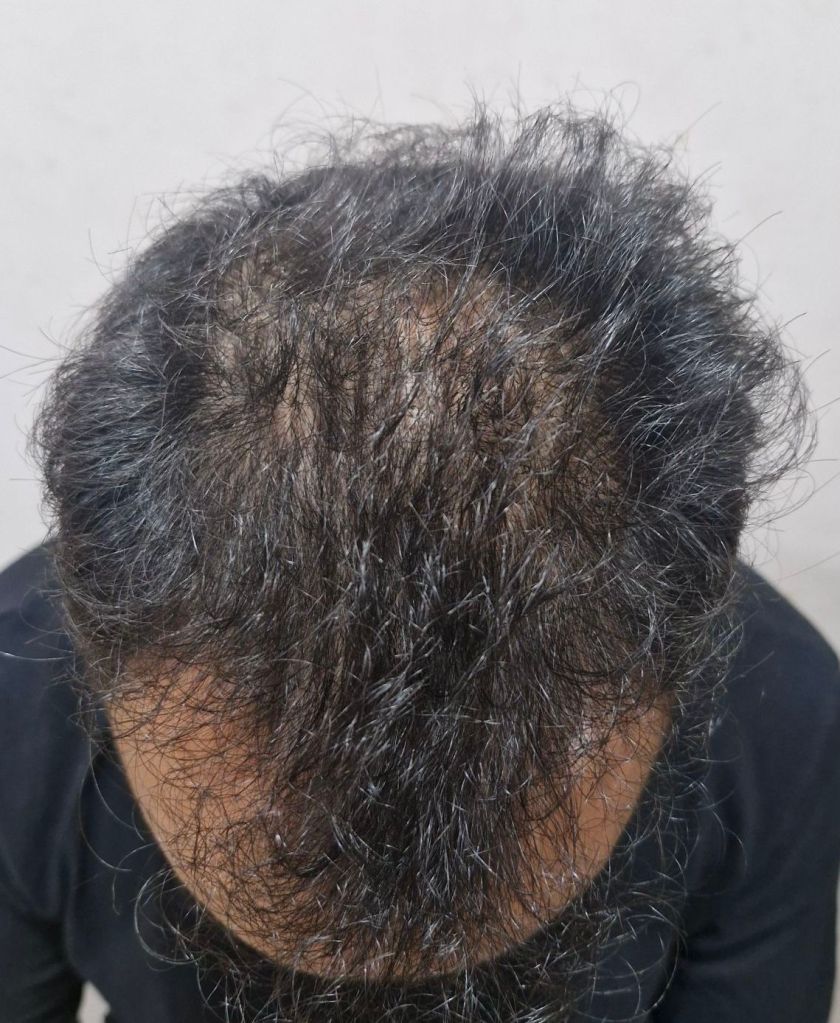
Success Factors
1. Donor Hair Quality: The procedure uses hair from the back or sides of the scalp (areas resistant to hair loss). The availability and quality of this donor hair are crucial.
2. Technique Used:
FUE (Follicular Unit Extraction): Individual hair follicles are transplanted. It’s minimally invasive and leaves small, less visible scars.
FUT (Follicular Unit Transplantation): A strip of scalp is removed, and follicles are transplanted. It may leave a linear scar but allows for more grafts in one session.
3. Surgeon’s Skill: The natural look of the transplant largely depends on the surgeon’s expertise in placing hair follicles at the correct angle and density.
4. Post-Procedure Care: Following the surgeon’s aftercare instructions ensures better healing and hair growth.
Realistic Expectations
A hair transplant redistributes existing hair; it doesn’t create new hair. If you have extensive baldness, complete coverage may not be possible.
Results take time. Transplanted hair typically starts growing after 3–6 months, with full results visible after 12–18 months.
Maintenance treatments like medications (e.g., finasteride or minoxidil) may be needed to prevent further hair loss.
Success Rate
The success rate of hair transplants is generally high, with most patients achieving natural-looking results. Studies estimate survival rates of transplanted hair grafts to be around 85–95%, depending on the technique and expertise.
If you’re considering the procedure, consult with a qualified dermatologist or hair transplant specialist to determine your suitability and get personalized advice.
हाँ, अनुवांशिक बाल झड़ने (एंड्रोजेनेटिक एलोपेसिया) के लिए हेयर ट्रांसप्लांट सफल हो सकता है, लेकिन इसका परिणाम विभिन्न कारकों पर निर्भर करता है, जैसे कि बाल झड़ने की गंभीरता, डोनर बालों की गुणवत्ता, और सर्जन की विशेषज्ञता। यहाँ मुख्य बातें जानें:
सफलता के कारक
1. डोनर बालों की गुणवत्ता: प्रक्रिया में खोपड़ी के पीछे या किनारों से बाल लिए जाते हैं (जो बाल झड़ने से प्रभावित नहीं होते)। डोनर बालों की उपलब्धता और गुणवत्ता महत्वपूर्ण है।
2. तकनीक का उपयोग:
FUE (फॉलिकुलर यूनिट एक्सट्रैक्शन): व्यक्तिगत बालों के फॉलिकल ट्रांसप्लांट किए जाते हैं। यह कम इनवेसिव है और छोटे, कम दिखाई देने वाले निशान छोड़ता है।
FUT (फॉलिकुलर यूनिट ट्रांसप्लांटेशन): खोपड़ी का एक स्ट्रिप हटाकर फॉलिकल ट्रांसप्लांट किए जाते हैं। इसमें एक रेखीय निशान हो सकता है, लेकिन एक बार में अधिक ग्राफ्ट संभव होते हैं।
3. सर्जन का कौशल: हेयर ट्रांसप्लांट का प्राकृतिक लुक इस बात पर निर्भर करता है कि सर्जन बालों के फॉलिकल्स को सही एंगल और घनत्व में कैसे लगाते हैं।
4. प्रक्रिया के बाद देखभाल: सर्जन द्वारा दिए गए निर्देशों का पालन करने से बेहतर हीलिंग और बालों की ग्रोथ सुनिश्चित होती है।
वास्तविक उम्मीदें
हेयर ट्रांसप्लांट मौजूदा बालों को पुनः व्यवस्थित करता है; यह नए बाल नहीं बनाता। यदि बाल पूरी तरह झड़ चुके हैं, तो पूरे सिर को कवर करना संभव नहीं हो सकता।
परिणाम में समय लगता है। ट्रांसप्लांट किए गए बाल आमतौर पर 3–6 महीने बाद बढ़ने लगते हैं, और पूरे परिणाम 12–18 महीने में दिखते हैं।
भविष्य में बाल झड़ने से बचने के लिए फिनास्टराइड या मिनॉक्सिडिल जैसी दवाओं की आवश्यकता हो सकती है।
सफलता दर
हेयर ट्रांसप्लांट की सफलता दर आम तौर पर अधिक होती है, और अधिकतर मरीजों को प्राकृतिक दिखने वाले परिणाम मिलते हैं। अध्ययनों के अनुसार, ट्रांसप्लांट किए गए बालों की ग्राफ्ट सर्वाइवल रेट 85–95% होती है, जो तकनीक और विशेषज्ञता पर निर्भर करती है।
यदि आप इस प्रक्रिया पर विचार कर रहे हैं, तो किसी योग्य त्वचा विशेषज्ञ या हेयर ट्रांसप्लांट विशेषज्ञ से सलाह लें ताकि यह तय किया जा सके कि यह आपके लिए उपयुक्त है या नहीं।
 Dr Nema Hair, Laser & Cosmetic Surgery Clinic
Leave a comment