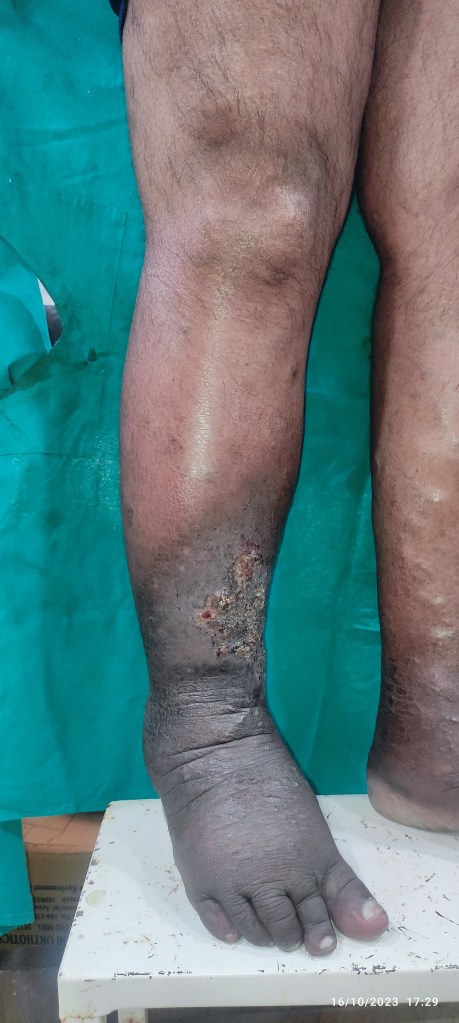
Varicose veins develop when the one-way valves in veins become weakened or damaged. These valves are crucial for ensuring blood flows from the legs back to the heart. When they malfunction, blood flows backward and accumulates in the veins, resulting in the characteristic appearance of varicose veins. Several factors contribute to their formation:
- Genetics (Heredity): Genetics is a significant factor in the development of varicose veins. If you have a family history of varicose veins, you are at a higher risk. This suggests a hereditary predisposition to weakened vein valves and vein wall structure.
- Age: Varicose veins become more common with age. Over time, the wear and tear on veins can lead to weakened valves and reduced vein wall elasticity, increasing susceptibility to dilation.
- Gender: Women are more prone to varicose veins than men. Hormonal changes, such as those during pregnancy or hormone therapy, can affect vein elasticity. Pregnancy, in particular, places added pressure on leg veins, increasing the risk of varicose veins.
- Pregnancy: During pregnancy, the growing uterus exerts pressure on the large veins in the pelvis and abdomen. This impedes blood flow from the legs back to the heart, leading to varicose veins. Hormonal changes during pregnancy also relax vein walls, making them more susceptible to dilation.
- Obesity: Excess body weight places additional pressure on leg veins, impairing the function of vein valves and raising the risk of varicose veins.
- Prolonged Standing or Sitting: Occupations or activities involving long periods of standing or sitting hinder blood circulation. Leg muscles become less effective in assisting veins in returning blood to the heart, increasing the risk of varicose veins.
- Lack of Movement: A sedentary lifestyle contributes to poor circulation. Regular exercise helps maintain good circulation and muscle tone, reducing the risk of varicose veins.
- Deep Vein Thrombosis (DVT): A history of deep vein thrombosis (blood clots in deep veins) can damage vein valves, potentially increasing the risk of varicose veins.
- Chronic Venous Insufficiency (CVI): This condition occurs when leg veins are unable to efficiently return blood to the heart. It can result from various factors, including prior leg injuries and blood clots, and is associated with varicose vein development.
- Other Medical Conditions: Conditions that increase abdominal pressure, such as chronic constipation or pelvic tumors, can obstruct blood flow from the legs and contribute to varicose veins.
While these factors heighten the risk of varicose veins, it’s essential to note that they can occur in individuals with no apparent risk factors. Lifestyle changes, compression stockings, and medical treatments are available to manage the symptoms and appearance of varicose veins. Consult a healthcare professional if you have concerns about varicose veins for evaluation and guidance on appropriate treatment options.
 Dr Nema Hair, Laser & Cosmetic Surgery Clinic
Leave a comment